

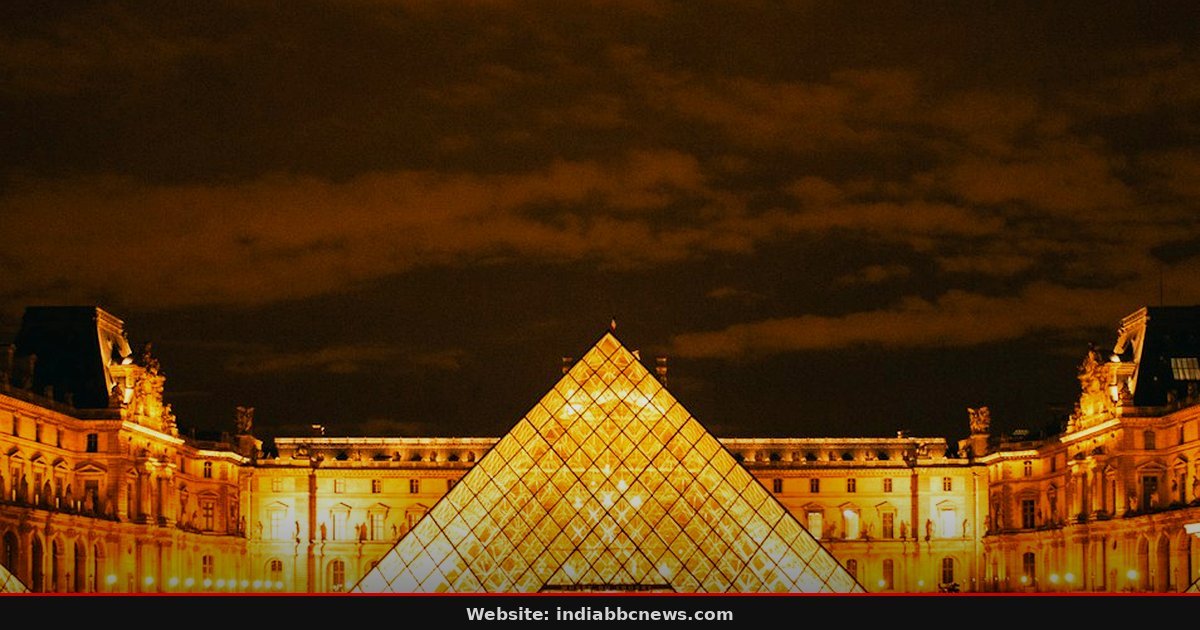
70,000. That is the number Interior Minister Laurent Nuñez dropped on reporters this morning — a staggering police deployment that turns the French capital into a fortress. It’s not just a march; it’s a siege. The Louvre is shut. The Orsay is dark. The Picasso Museum? Closed. And the streets of Paris, usually a canvas of tourists and cyclists, are now a grid of armored vehicles and water cannons. The scale of the response is dizzying, but the cause is painfully simple: people are angry about the cost of living, and they’ve stopped asking nicely.
It started small. One high school, southeast of Paris, short-staffed and crumbling. Now, it’s a national inferno. In Lyon, tear gas drifted through the air before 8 a.m. on Saturday. In Clermont-Ferrand, stun grenades cracked like thunder as officers pushed back demonstrators who simply wanted to reach the city center. The math doesn’t quite work out for the government, which seems to believe that hiding people away from the main thoroughfares will defuse the anger. They routed the Paris march to the southeastern edge, a route through Porte d’Italie that feels less like a protest and more like an exile. Several thousand people showed up. It was a smaller crowd than last week, but the silence of the museums spoke volumes.
Barriers and Boarded Windows
The strategy is containment, pure and simple. Gendarmes stood guard under the Arc de Triomphe while shopkeepers nailed plywood over their glass. I watched Akram Ahmed, a 34-year-old contractor, hammer nails into an optician’s shop near the Saint-Lazare station. His hands shook, not from cold, but from the sheer absurdity of the moment. “I got the call last night,” he told me, wiping sweat from his forehead. “The owner seemed desperate. He said I was saving his life.” That’s a heavier burden than just framing eyeglasses. The fear is palpable, not because of the protesters, but because of the chaos that followed the previous weekend. Over 3,000 shops were damaged or looted. Cars burned. The normal rhythm of the city was broken, and nobody knows how to fix it. And the rain kept falling, soaking the handmade placards and turning the cobblestones slick with oil and fear.
The Route Was Moved
Authorities changed the rules mid-game. The planned march from Bastille to Nation was axed on Friday. Instead, the crowd was funneled between Porte d’Italie and Porte de Vincennes. At the original starting point, police used megaphones to shout a warning: leave, or face a €135 fine. It felt petty. It felt small. But the message was clear — stay out of the center. Soumaya Abed, a 58-year-old nurse wearing a red CGT union vest, looked confused. She’s been protesting for 30 years. She has seen riots, strikes, and revolutions. But she has never seen a march start at Porte d’Italie. “This is not how we do it,” she said, her voice flat. “They are treating us like criminals, not citizens.” The exclusion is the point. You can’t hurt the economy if it can’t touch the economy. But can you keep the anger at bay? Probably not.
Inflation and Anger
Why are they marching? The numbers are brutal. Energy prices in France jumped 21.3% in September compared to the same month last year, according to INSEE. Overall inflation hit 3.1%. For a family buying milk, bread, and heating oil, that is a chasm. President Emmanuel Macron met with high school representatives on Friday. He promised reform. He talked about university admissions. But the students, still muddy from the rain, did not buy it. They want action, not promises. In Orléans, a separate march ran peacefully, but the mood was similar: a rejection of the status quo. The final months of Macron’s presidency are becoming a referendum on his entire record, and he is losing the argument on the street. The tear gas in Lyon, the locked doors in Paris, the fines at Bastille — it’s all adding up to a narrative of a government out of touch.
What Comes Next
The next test is Sunday. If the crowds return to the center, the police will have to choose between ceding control or escalating. A second day of looting would be a disaster for the National Rally, which is holding a two-day congress in Orléans. They don’t want to fight on two fronts. But the unions have vowed to continue until concrete measures are announced. That’s a harder sell than it sounds. The deadline is vague, but the pressure is real. Expect more closures. Expect more police. Expect the Louvre to stay dark until the storms pass. Or until they don’t. The question is not if the protests will return, but whether the capital can hold its breath for much longer. The air is thick with smoke and uncertainty, and the only thing moving faster than the police helicopters is the fear.
Frequently Asked Questions
Why are the Louvre and major museums closed?
Authorities shuttered the Louvre, Orsay, Picasso Museum, and Grand Palais to prevent damage and protect staff. The closure is part of a broader security perimeter established due to the scale of the protests and the risk of civil unrest in central Paris.
Why was the protest route changed?
Paris police moved the start and end points to the southeastern edge of the city to keep marchers away from the historic center and major commercial districts. Local authorities also banned rallies in cities like Lyon, Nice, and Montpellier to prevent violence.
Source: NBC News
This article was compiled by the IndiaBBCNews editorial system from verified international news sources. Facts have been independently reviewed. Original reporting: NBC News.

