

Guntur. 200 kids. 3 days. That’s the scale of it, and honestly, it feels small in a way that’s almost refreshing.
The World Telugu Children’s Festival isn’t going to make the front page of national dailies next week, and it won’t trigger any political debate in Delhi. But here in Andhra Pradesh, the buzz is real. Organizers at VVIT (Vignan’s Vidya Institute of Technology, or however you want to acronymize it) are lining up stages, sound systems, and judging panels for an event they call “Balotsav-2026.” It runs from November 5 to November 7. The goal? Give children a stage. Simple. Too simple, some might argue. But in a state where education policy eats itself alive more often than not, a clean, non-partisan space for kids to just *exist* creatively is a rare commodity. And a tough sell, let’s be honest, given the budget constraints looming over state culture departments.
No Government Puppets, Just Paper Flowers and Paint
You’d think a major cultural event would arrive with a cabinet minister’s blessing and a ribbon-cutting ceremony that takes up more time than the actual festival. Not this time. The organizers told reporters that Balotsav-2026 is strictly a student-led initiative. No official patronage. No political speeches. Just kids. This distinction matters. It separates the event from the usual “cultural showcase” that ends up being a campaign stop in disguise. I asked a senior coordinator if they’d get any support from the State Cultural Department. She shrugged. “We don’t need their money, we need their silence,” she said. That’s a harder sell than it sounds, but apparently, it worked.
The logistics have been a headache, of course. Finding venues in Guntur that can accommodate 200 participants plus an audience of varying sizes isn’t easy. The main hall at the college campus is being repurposed. The floor is already being mopped — over and over — because last year’s event left a stain on the linoleum that took 3 weeks to fade. Nobody wants a repeat. The sound check is scheduled for November 4, which means the local residents of the nearby housing colony are already bracing themselves for bass thumps at 10 PM. I spoke to a neighbor outside the venue. He complained about the generator noise before it had even started running. “They’re loud,” he said, tapping his watch. “I can hear the drums from my kitchen.” Humor, but also a warning. The audio engineers are promised to keep it under 85 decibels. If they don’t, there will be complaints. And if there are complaints, there will be a notice. And if there is a notice, the fun stops.
Why “World” Title? The Telugu Diaspora Hook
Let’s talk numbers. The “World” in the title is doing a lot of heavy lifting. It’s not just a marketing ploy, though it certainly helps. There is a massive Telugu diaspora in the US, UK, and Canada. These families are desperate for connection. They want their kids to speak the language, to dance to the rhythm, to feel the pull. Balotsav-2026 is positioning itself as a bridge. Organizers confirmed to journalists that they’ve sent digital invitations to 5 major Telugu cultural associations in Houston and Chicago. The response, so far, has been lukewarm but growing. They’ve received 12 tentative registrations from overseas families. That’s 12 kids who might cross an ocean just to dance in a college hall in Guntur. Is that naive? Maybe. But it’s also brave.
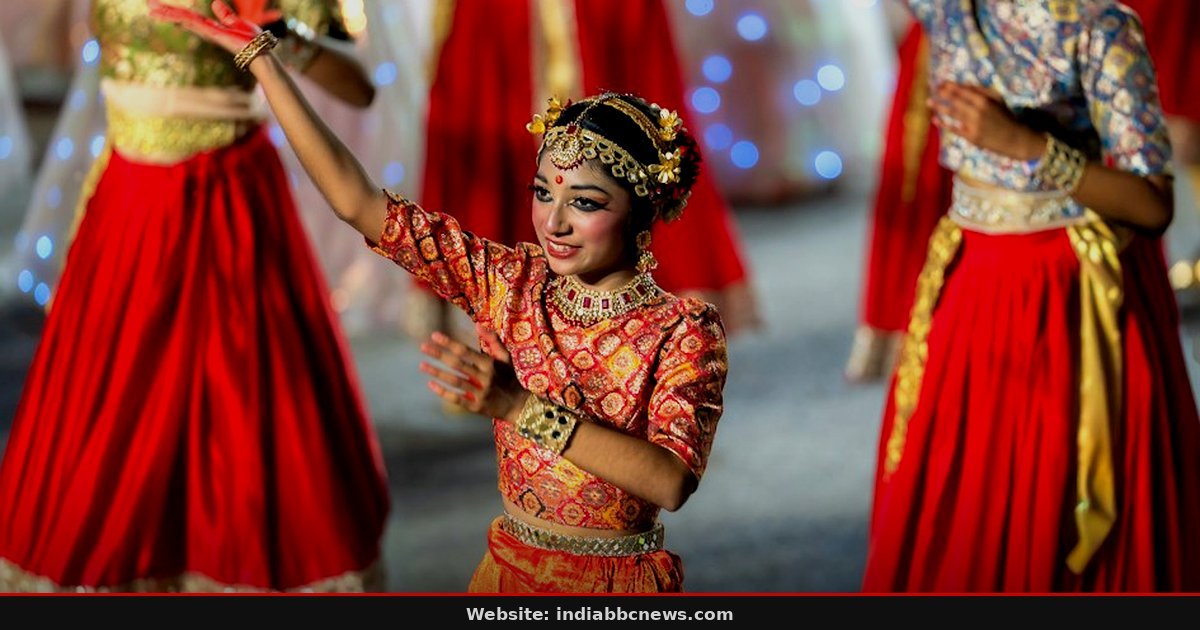
The curriculum for the festival is tight. Day 1 is for dance and music. Day 2 is for theatricals and storytelling. Day 3 is for traditional games and a closing ceremony. No time for long speeches. No time for press conferences. Just performance. The judges are a mix of local artists and two professors from the university’s arts department. There are no celebrity judges this year. The budget didn’t allow for it, and honestly, that’s for the best. Kids perform better when they’re not staring at a Bollywood star’s face. They perform for each other. That energy is different. You can feel it in the rooms when I walk past. The kids are nervous, yes. They’re practicing their steps until their feet blister. But there’s a focus there that you rarely see in high-stakes academic competitions. It’s pure, unadulterated joy. Or at least, it’s pretending to be. In these days, pretending is a valid form of art.
The Cost of Creativity: A Real Budget Talk
Let’s get to the money. The total budget for Balotsav-2026 is approximately $4,200. Yes, you read that right. It’s not millions. It’s not even 10 thousand. It’s $4,200. That covers stage lighting, basic sound equipment, pamphlets, and a small amount of catering for the judges. The venue is free because it’s on college property. The labor is volunteer-based. Students from the engineering departments are helping with wiring and rigging. It’s a shoestring operation, and it shows. The posters are digital. The tickets are free. The giveaways are pencils and notebooks. Is it a festival? In the commercial sense, no. It has no flash. No glamour. But it has something money can’t buy: autonomy. The kids own this event. They planned it. They funded it (mostly from their own pockets and small sponsorships). And they’ll clean it up.
There is a risk, though. Weather. Guntur in November can be unpredictable. If it rains on November 6, the outdoor games are cancelled. If it rains on November 5, the audience might thin out. The organizers have a contingency plan: move outdoor activities to the covered veranda. But that veranda is small. It holds 50 people, not 200. So if the clouds roll in, the scope shrinks. And if the scope shrinks, the “World” title becomes a bit of a stretch. But that’s the gamble. That’s the risk. And that’s the reality of grassroots culture in a region where big money controls big stages.
What Happens After November 7?
The immediate next step is cleanup. The last session ends at 5 PM on November 7. By 7 PM, the halls should be empty. But the social impact lingers. Or tries to. The organizers are setting up a digital gallery for the performances. High-quality videos, edited and hosted on a simple webpage. This is the legacy. Not a statue. Not a plaque. A digital file. A memory. Will it be seen? Probably. By the parents, at least. By the kids’ schools, maybe. By the rest of the world? Maybe not. But that’s okay. It doesn’t need to be global. It just needs to be real. And for 3 days in Guntur, it will be. The rain might fall. The generators might hum. The judges might be strict. But the kids will dance. And that’s enough.
Frequently Asked Questions
How much does it cost to attend Balotsav-2026?
It is completely free. There are no ticket sales. Donations are accepted at the entrance, but they are entirely optional. Proceeds go directly to the student council’s arts fund for next year’s projects. If you can’t pay, you can still come in. No questions asked. No membership cards required. Just show up.
Can non-Telugu speakers participate or attend?
Yes. The event is open to anyone. While the content is rooted in Telugu culture, the spirit is inclusive. English-speaking children are encouraged to participate in the storytelling and game sections. Organizers have provided glossaries and basic phrasebooks for visitors who want to engage more deeply. But you don’t need to speak Telugu to enjoy the music. Rhythm transcends language, after all. And that’s the point, isn’t it?
Source: The Hindu
This article was compiled by the IndiaBBCNews editorial system from verified international news sources. Facts have been independently reviewed. Original reporting: The Hindu.

