

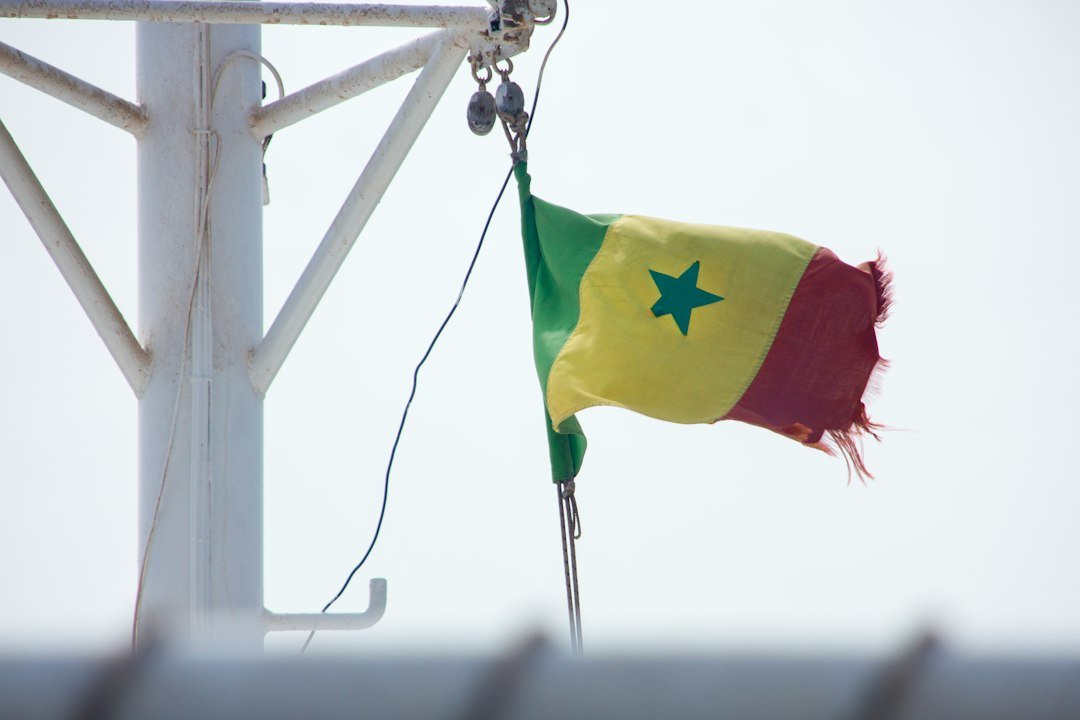
Burkina Faso’s ruling military junta has formally expelled France’s ambassador, ordering him to leave the country within 24 hours — a dramatic escalation that severs one of West Africa’s oldest colonial-era diplomatic relationships. The move marks the most decisive break yet between Ouagadougou and Paris as the Sahel region’s military-led governments accelerate their pivot away from French influence.
The junta’s foreign ministry summoned the French envoy and declared him persona non grata, citing what it called “interference in Burkina Faso’s internal affairs” and “hostile acts” against the transitional government. France’s Foreign Ministry confirmed it had received the expulsion notice and said it was “taking note” of the decision while calling for dialogue.
Why Relations Broke Down
Tensions between Burkina Faso and France have been building since Captain Ibrahim Traoré seized power in a September 2022 coup — the country’s second military takeover in less than a year. Traoré, 35, has positioned himself as a pan-Africanist leader hostile to what he calls neo-colonial interference. French troops and diplomats have faced mounting hostility, with anti-French protests organised in Ouagadougou drawing thousands of supporters waving Russian flags.
“France has shown it is not a partner but an obstacle to our sovereignty,” Traoré said in a televised address, according to state broadcaster RTB. “We will no longer accept being dictated to on our own soil.”
Pattern Across the Sahel
Burkina Faso’s expulsion follows a near-identical pattern in Mali and Niger, where French ambassadors were also expelled after military takeovers in 2021 and 2023 respectively. All three countries have since signed security agreements with Russia’s Wagner Group — now rebranded as the Africa Corps — replacing French counterterrorism forces that had been operating in the region since 2013 under Operation Barkhane.
France completed its withdrawal from Mali in August 2022 and from Niger in December 2023. Burkina Faso had already asked French special forces to leave in January 2023.
Impact on the Region
The expulsion leaves France with virtually no security footprint in the Sahel’s three most conflict-affected nations, a region where jihadist groups linked to al-Qaeda and the Islamic State have killed tens of thousands of people since 2012. Analysts warn the security vacuum is being filled unevenly. “Russian mercenaries can fight, but they cannot do development or governance,” said Luca Raineri, a Sahel researcher at the Sant’Anna School of Advanced Studies in Pisa.
Burkina Faso remains one of the world’s poorest countries, with 60% of its territory outside government control. Over 2 million people have been internally displaced by jihadist violence.
What Happens Next
France is expected to recall its ambassador and may review development aid to Burkina Faso, though European Union funding channels could remain open. The African Union and ECOWAS have called for diplomatic restraint, but neither bloc has leverage over the junta, which suspended its membership of ECOWAS in January 2024 alongside Mali and Niger. Traoré has indicated he will seek closer ties with China, Russia, and Turkey as alternative partners.
Frequently Asked Questions
Why did Burkina Faso expel the French ambassador?
The junta cited French “interference in internal affairs” and “hostile acts” against the military government. Underlying tensions stem from disagreements over counterterrorism strategy, French military presence, and Burkina Faso’s shift toward Russia as a security partner.
Which other countries have expelled French ambassadors recently?
Mali expelled the French ambassador in January 2022 and Niger followed in August 2023, both after military coups. All three countries — Mali, Niger and Burkina Faso — now form the Alliance of Sahel States and have terminated French military partnerships.
Source: Reuters, AFP, RTB Burkina Faso

