

Vitesse Energy (NYSE: VTS) shares have stalled at $18.14 over the past six months, failing to capture the 8.9% rally seen in the S&P 500 during the same period.
This underperformance has sparked debate among market analysts: is the stock a value trap, or does its robust fundamental profile suggest a mispricing opportunity? While the broader energy sector has seen volatility, Vitesse Energy’s financial metrics indicate a business model that remains resilient despite commodity price fluctuations.
Business Model Context
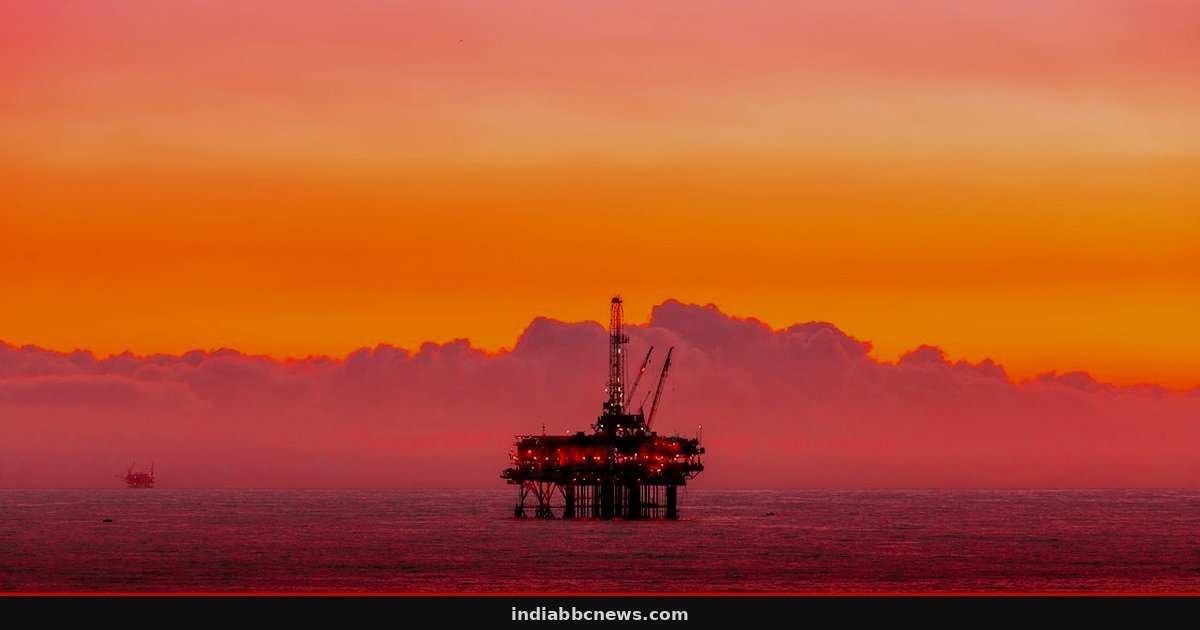
Vitesse Energy operates with a distinct “hands-off” strategy, holding non-operated stakes in oil and natural gas wells primarily within the Williston Basin of North Dakota and Montana. This approach minimizes operational risk while allowing the company to benefit from production growth without the heavy capital expenditure burden typical of active operators.
According to recent financial data, this asset-light structure has allowed VTS to maintain consistent revenue streams even when commodity prices dipped. The company’s focus on high-quality acreage in one of North America’s most productive basins provides a stable foundation for long-term value creation.
Key Financial Metrics
Over the last five years, Vitesse Energy has demonstrated a compounded annual growth rate (CAGR) of 14.9% in sales. This figure surpasses the average performance of both upstream and integrated energy companies, indicating that the market continues to demand the company’s product mix. The consistency of this growth suggests that VTS is not merely riding a temporary commodity wave but is building a durable revenue base.
The company’s profitability is further highlighted by its elite gross margins. Vitesse Energy averaged an 80.2% gross margin over the past five years, a figure that reflects superior unit economics and efficient infrastructure utilization. As noted in industry analyses, such high margins act as a buffer, allowing the company to remain profitable at lower commodity price points where peers with inferior cost structures might struggle to break even.
Cash Flow Strength
Free cash flow (FCF) remains the critical metric for assessing a company’s ability to reinvest and return capital to shareholders. Vitesse Energy has delivered a five-year average FCF margin of 22.8%, placing it among the top performers in the energy upstream and integrated sectors. This metric is particularly telling because it accounts for all operating and capital expenses, making it difficult to manipulate through accounting adjustments.
“Cash is king,” according to financial analysts who track energy sector performance. The ability to generate consistent free cash flow allows Vitesse Energy to maintain financial flexibility, whether that means acquiring additional assets, repurchasing shares, or weathering market downturns. This cash generation capability is a key differentiator for investors seeking stability in a cyclical industry.
Market Valuation
Despite these strong fundamentals, Vitesse Energy currently trades at a forward price-to-earnings (P/E) ratio of 79.7x. This valuation is high relative to historical averages, reflecting the market’s premium on the company’s growth potential and cash flow consistency. The current share price of $18.14 represents a point of contention for investors, with some viewing the multiple as justified by the company’s elite margins, while others see it as overextended given the recent stock stagnation.
The divergence between the stock’s flat performance and its strong underlying financials has led to increased scrutiny from institutional investors. The market is currently weighing the risk of high valuations against the reward of a business model that has proven its ability to withstand cyclical pressures.
What Happens Next
Investors will closely monitor Vitesse Energy’s upcoming quarterly earnings reports to see if the company can sustain its 14.9% sales growth trajectory. Any deviation from this trend could impact the forward P/E multiple and trigger a re-rating of the stock. Additionally, commodity price movements in the Williston Basin will continue to influence short-term trading volumes.
Analysts expect the company to continue leveraging its high gross margins to drive free cash flow, potentially leading to further capital returns. The next few months will be critical in determining whether the market adjusts its valuation to better reflect the company’s fundamental strength or if the stock remains capped by broader sector sentiment.
Frequently Asked Questions
What is Vitesse Energy’s current stock price?
Vitesse Energy (VTS) shares are currently trading at $18.14. This price represents a flat performance over the last six months, lagging behind the S&P 500’s 8.9% gain during the same period.
How does Vitesse Energy generate revenue?
The company generates revenue by holding non-operated stakes in oil and natural gas wells in North Dakota and Montana. This asset-light model allows VTS to earn from production without bearing the full operational costs of drilling and maintenance.
Source: Yahoo Finance
This article was compiled by the IndiaBBCNews editorial system from verified international news sources. Facts have been independently reviewed. Original reporting: Yahoo Finance.

