

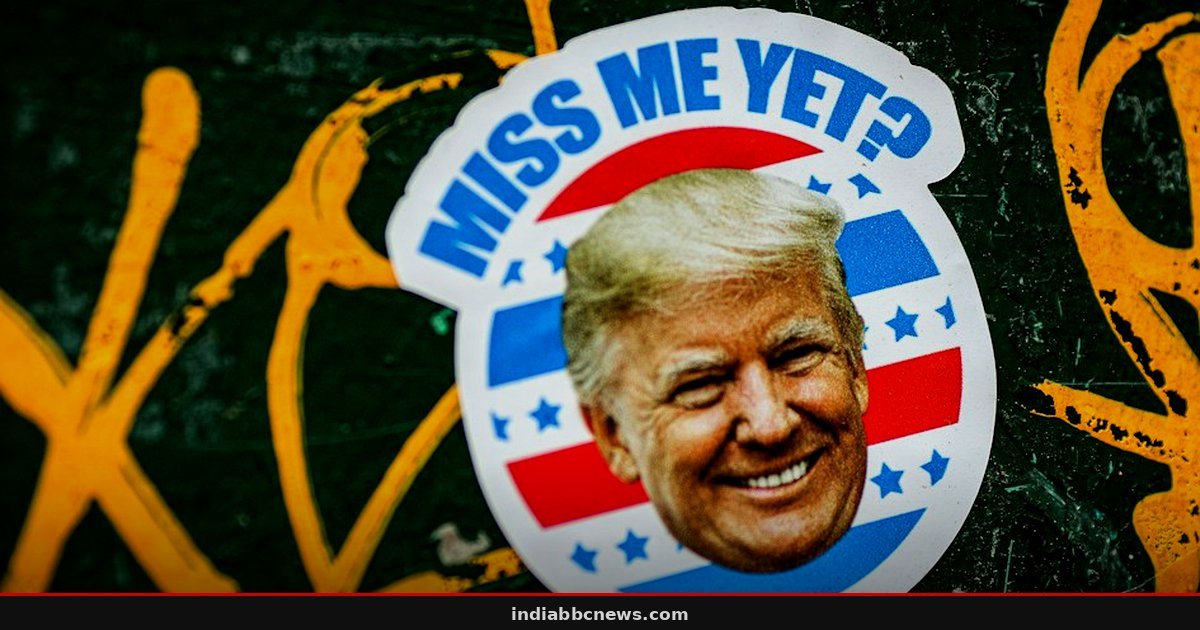
President Donald Trump’s volatile outburst at The Independent’s White House correspondent Andrew Feinberg has ignited a fierce debate on social media regarding the 80-year-old leader’s mental stability.
The incident, which occurred during a Tuesday press gaggle in the Oval Office, saw Trump repeatedly snap at Feinberg, ordering him to be quiet and labeling him a “sick person.” With clips of the exchange racking up millions of views, the moment has become a focal point for those questioning the cognitive health of the oldest person ever inaugurated as president.
Background / What Led Here
The tension escalated after Feinberg asked about the administration’s new anti-fraud pledge, which offers whistleblowers 1 percent of recovered funds. Trump, seated behind the Resolute Desk, initially asked, “Who are you?” before lashing out when Feinberg attempted follow-up questions. This interaction follows a pattern of increasingly aggressive exchanges between the president and the press corps.
Key Details
During the confrontation, Trump’s demeanor shifted rapidly from dismissive to hostile. “I don’t know who the hell you are, but you better be careful,” he warned Feinberg. Minutes later, when the correspondent mentioned the president’s golf course renovation project, Trump growled at him to be silent, stating, “What’s wrong with you? Are you a sick person? I actually think there’s something wrong with you.”
The reaction was immediate and severe. Former Republican congressman Adam Kinzinger wrote on X, “Trump is a sick man. Literally something is broken.” Progressive strategist Chris Sosa described the footage as “legit scary.” While Trump has historically used derogatory terms like “treasonous” and “stupid” for journalists, this specific display of personal anger and confusion marked a distinct shift in tone.
Impact / What It Means
Medical experts and online commentators have drawn direct parallels between Trump’s behavior and symptoms of neurodegenerative diseases. One user, who has cared for individuals with dementia for eight years, noted that the specific facial expression and tone used when Trump said “quiet” were indicative of the condition. Another commenter suggested the erratic demeanor changes were consistent with Lewy Body Dementia.
These claims contradict the White House’s official stance, which maintains that Trump is the “sharpest” president in American history. Dr. Jonathan Reiner, a CNN medical analyst, had previously noted in May that the president suffers from “severe daytime somnolence,” a condition he linked to increased dementia risk in older adults. Dr. Bandy Lee, a forensic psychiatrist, recently described Trump as “an incredibly mentally unstable individual who’s become far more unstable with time.”
What Happens Next
The White House has yet to provide a new comment on this specific incident, having previously dismissed similar health concerns as political attacks. The administration’s Rapid Response account has previously countered reports of the president dozing off by posting screenshots of news anchors with closed eyes. With the 2026 midterm elections approaching, the issue of presidential fitness for duty is likely to remain a central topic in political discourse and media coverage.
Frequently Asked Questions
Did Trump admit to having mental health issues?
No, Trump has not admitted to any mental health issues. He stated after a May physical that “everything” had “checked out PERFECTLY,” and the White House has consistently denied any cognitive decline.
What is the White House’s official response to dementia claims?
The White House has forcefully rejected these claims, with spokesman Davis Ingle previously calling such diagnoses “armchair diagnosis” by “Democrat hack doctors.” Officials insist the president is healthy and energetic.
Source: The Independent World
This article was compiled by the IndiaBBCNews editorial system from verified international news sources. Facts have been independently reviewed. Original reporting: The Independent World.

