

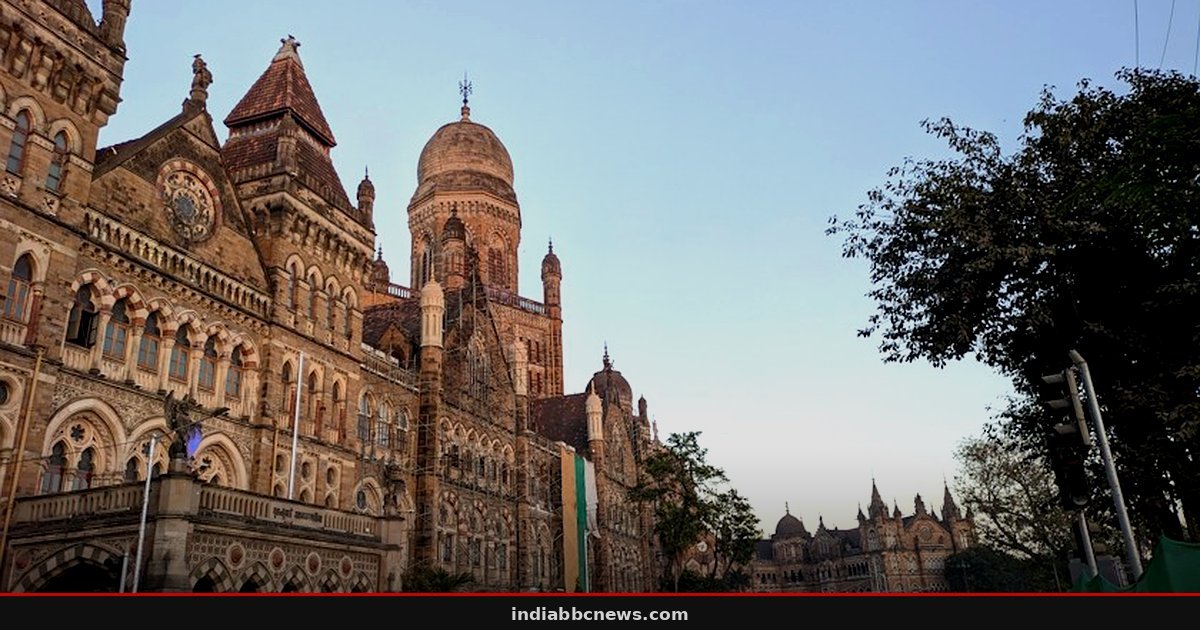
The Bombay High Court has issued a stern directive to the Mumbai Police, ordering immediate compliance with the year-round ban on firecrackers. The Bench made it clear that any officer found enforcing the old seasonal restrictions, rather than the permanent order issued on October 15, will face consequences.
This isn’t just a bureaucratic box-ticking exercise. The October 15 order effectively killed the Diwali explosion industry in the city, a move that has left local distributors scrambling and residents confused. The court’s intervention comes after reports surfaced that police stations were still treating the ban as a temporary festival restriction, creating a legal vacuum that neither residents nor law enforcement understood.
The Gap Between Order and Enforcement
Confusion reigned in the weeks following the October 15 ruling. While the judgment was clear, the operational manuals held by Constables and Inspectors on the ground were not. The High Court, in its order, noted that the failure to disseminate the new guidelines was “unacceptable” in a metropolis of this size. The Bench directed the Commissioner of Police to ensure that every officer, from the station house to the traffic control room, is updated on the permanent nature of the prohibition.
“The law is clear,” one senior judge on the Bench stated during the hearing. “If an officer is arresting a citizen for selling crackers in April, that officer is acting in violation of the court’s mandate. We will not tolerate such basic administrative failure.” The court emphasized that the ban is not tied to the Diwali festival; it is a continuous environmental protection measure.
Impact on the Trade and Health
12,000 small-scale vendors in Mumbai lost their primary business window overnight. The industry, which relies heavily on the 10-day Diwali period for 80% of its annual revenue, is now facing an existential crisis. Distributors in the Dadar and Kurla markets told reporters that they had already incurred losses on stock that could not be sold. The economic shock is palpable, but the public health data suggests the trade-off may be necessary.
Health department data from last year showed a 300% spike in respiratory admissions in the two weeks following Diwali. Air quality indices (AQI) in southern Mumbai regularly crossed 400, a level classified as hazardous. By making the ban year-round, the city aims to flatten this curve, preventing the acute health crises that previously followed every festival season. It’s a calculation that prioritizes long-term lung health over short-term commercial gain.
“We are seeing a shift in consumer behavior, but the police haven’t shifted with it,” said Ramesh Gupta, a shop owner in Borivali. “They catch us for stocking, but they don’t enforce the ban on the big exporters. It feels selective.”
Operational Realities on the Ground
The police department has acknowledged the oversight. Officials told reporters that the circular was sent out digitally, but the translation and dissemination to junior staff in remote suburbs took longer than expected. The court was unimpressed by this explanation. It ordered that physical copies of the order be posted at every police station and that a training module be integrated into the next batch of recruit orientations. The goal is to move from reactive enforcement to proactive compliance.
There’s a specific detail that underscores the disarray. A senior officer admitted that a raid conducted last Tuesday in Andheri West resulted in the seizure of 500 kg of firecrackers, only for the magistrate to release the accused because the charge sheet cited an expired statutory notification. The court called this a “procedural embarrassment” that undermined the rule of law. The police have since withdrawn those cases and are re-evaluating their seizure protocols.
What Comes Next
The next deadline is critical. The court has given the Mumbai Police 14 days to submit a compliance report detailing how the new order has been communicated to all units. This report must include attendance records from training sessions and a list of any pending cases that need to be quashed due to the new legal framework. If the court is not satisfied with the thoroughness of the report, it has hinted at initiating contempt proceedings against individual officers who fail to adhere to the directive.
This isn’t the end of the story. The ban will likely face its first major legal test when the next major festival approaches. For now, the message from the bench is unambiguous: the era of seasonal enforcement is over. The officers on the beat need to know the law, and the courts will ensure they learn it.
Frequently Asked Questions
Is the firecracker ban in Mumbai permanent?
Yes. Following the Bombay High Court’s order effective from October 15, the use, sale, and possession of firecrackers are banned throughout the entire year in Mumbai, not just during festival seasons.
What happens if the police ignore the ban?
The High Court has warned that officers who enforce outdated restrictions or fail to update their knowledge of the law may face disciplinary action. The court has also ordered a compliance report within 14 days to verify that all stations are aware of the new directive.
Source: The Hindu
This article was compiled by the IndiaBBCNews editorial system from verified international news sources. Facts have been independently reviewed. Original reporting: The Hindu.

