

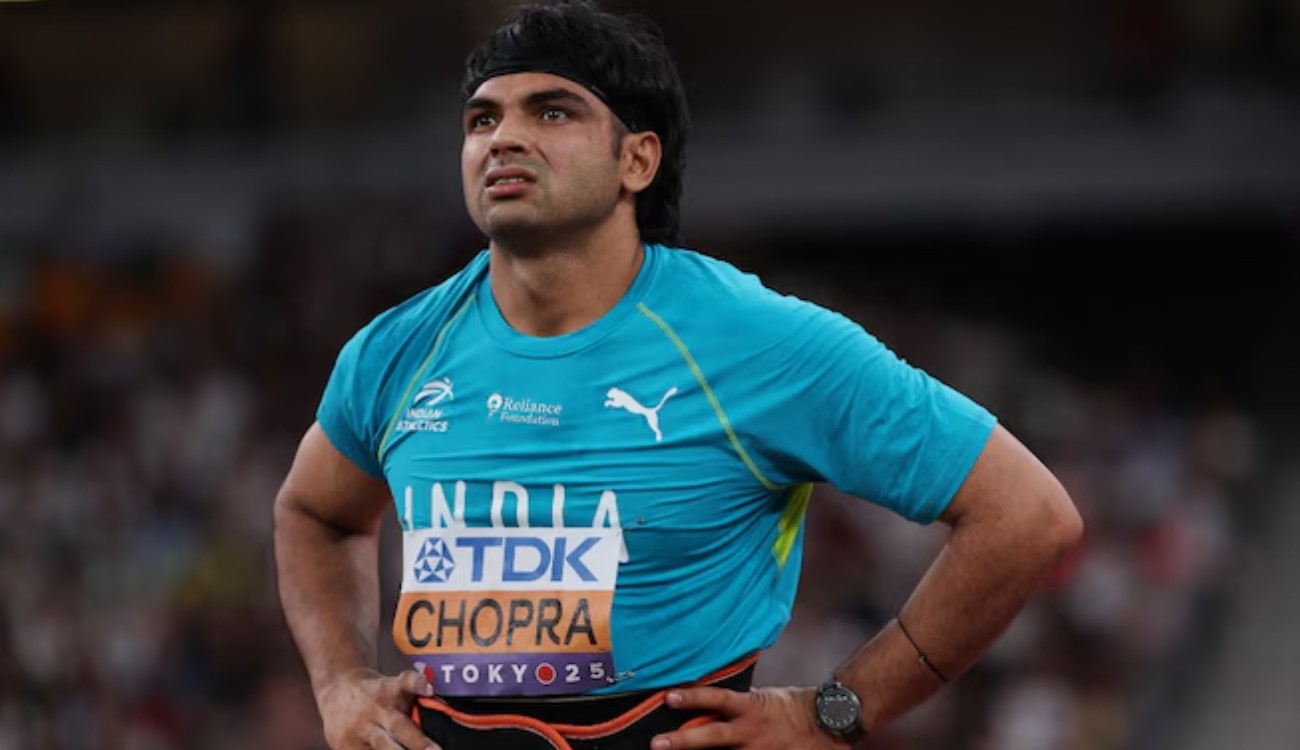
Neeraj Chopra and Sumit Antil — Olympic gold medalists both, among the most celebrated athletes in India — have made allegations of harassment by Dronacharya Award-winning coaches. The allegations, made in statements to sports federation officials and subsequently reported in media, describe a pattern of conduct that the athletes say created a hostile training environment.
The allegations are being taken seriously for an obvious reason: these are not anonymous complainants. These are India’s most decorated active athletes making formal allegations about coaches who hold the sport’s highest coaching honour.
What They’ve Alleged
The specific allegations, as reported, involve coaches using their institutional authority to undermine the athletes’ preparation, making comments that were demeaning in a professional context, and in at least one case, making threats about future selection and recognition decisions.
Neither Chopra nor Antil has alleged physical harassment. The allegations centre on psychological pressure and professional interference.
The Investigation
The Sports Authority of India has said it will investigate. The Athletics Federation of India has acknowledged receiving the complaints. The POSCO and POSH frameworks, which govern sexual harassment in institutional settings, don’t directly apply to the specific conduct alleged — the applicable framework is Sports Code provisions around athlete welfare and coaching conduct.
The Bigger Issue
India’s sports coaching infrastructure has produced extraordinary athletes. The authoritarian model — coaches as essentially unaccountable authority figures — has also produced documented cases of abuse across multiple sports. When athletes with the profile of Chopra and Antil speak up, it creates accountability pressure that protects athletes with lower profiles who don’t have the same ability to be heard.
The investigation’s outcome matters. The fact that they spoke up matters independently of what the investigation finds.

