


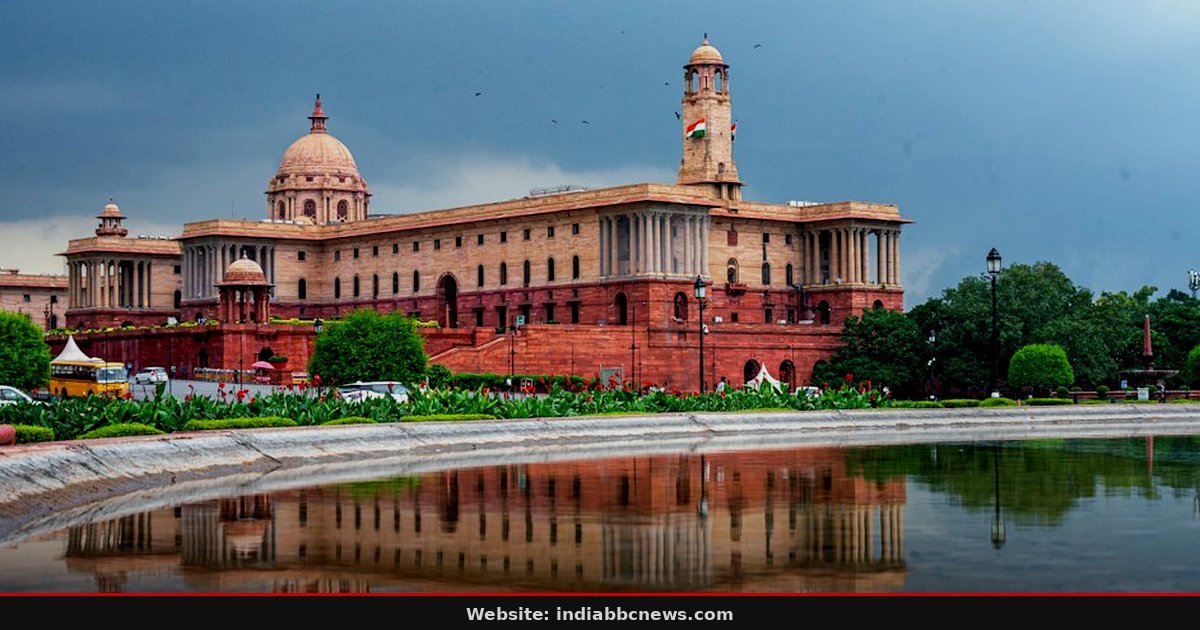
Bengali Hindus flee Dhaka as Samik Bhattacharya demands cross-border action
Over 10,000 Bengali Hindus have crossed into West Bengal in the last 72 hours. It’s not just a refugee crisis; it’s a political earthquake shaking the foundations of the 1947 Partition settlement.
The Ground Reality in Murshidabad
The border at Sabarmati felt like a dam breaking this morning. Trucks, rickshaws, and walk-in traffic carrying mattresses and suitcases has turned the checkpoint into a bottleneck of panic. Local police aren’t just processing entries anymore; they’re shooing people back to make room for ambulances arriving with injured children. The smell of burnt rice and diesel is thick, a nostalgic yet terrifying scent for anyone who grew up in that specific part of Bengal.
Most of them left without their gold, their land deeds, or even their passport photos. These aren’t just statistics. They are the sons and daughters of the very community that was promised safety in exchange for silencing the call for a separate state. It’s a visceral reminder that Partition never really ended; it just paused.
The fear isn’t abstract. It’s the sound of glass breaking in the next room.
Samik Bhattacharya is on the ground, his voice hoarse from hours of speaking to crowds. He claims the narrative of a “language movement” was a lie told to unite Hindus and Muslims against the British.”They told us to fight for Bengali, but when we looked back, they were erasing our history from textbooks and renaming our streets,”he said, holding up a tattered copy of a 1950s school book. The BJP leader insists that the current wave of violence is the culmination of 75 years of institutional neglect. He points to the demolition of three more temples in Dhaka yesterday, a claim corroborated by video footage circulating on WhatsApp but not yet verified by international monitors.
This isn’t about politics right now. It’s about survival. And when survival is at stake, political labels stop mattering for a few critical days. The border gates are open, but the question remains: are they open enough to absorb this sudden, massive surge without collapsing into disorder?
The logistics are a nightmare, but the humanitarian imperative is louder than the bureaucratic gridlock. Dhaka’s Foreign Ministry issued a brief statement calling the allegations “unsubstantiated and inflammatory.” They deny any state-sponsored persecution, pointing instead to “law and order issues” in specific districts. The ruling Awami League is tight-lipped, with senior ministers avoiding press conferences and sticking to pre-canned Q&A sessions. There’s a palpable tension in the capital, with internet speeds deliberately throttled since Tuesday evening. Local journalists tell reporters that accessing certain social media pages now requires a virtual private network, a move that mimics digital authoritarianism.
Bangladesh’s Silent Response
The silence from Bangladesh is deafening. It’s a strategic choice, likely aiming to let the story die down with the monsoon rains. But you can’t bury a story with this many human faces attached. The international community is watching, but few are willing to speak out firmly.
The EU has called for “calm,” a standard diplomatic non-answer that frustrates analysts in New Delhi. This silence is being interpreted as complicity, or at least willful blindness, by those who feel abandoned by the global diplomatic establishment.
The geopolitical chessboard is shifting under everyone’s feet. India’s reaction is measured but firm, with the Ministry of External Affairs urging Bangladesh to respect the fundamental rights of a minority community that contributed to the country’s creation. Diplomatic channels are active, with talks scheduled for next week in New Delhi. But the people on the ground don’t care about diplomatic protocols.
They care about whether their homes are safe. There’s a growing sense that the bilateral relationship, already strained by water-sharing disputes and cardamom prices, is now fraying along the lines of identity. This isn’t just a refugee issue. It’s a test of whether South Asian neighbors can coexist without one side feeling erased.
The stakes are higher than usual. A miscalculation here could reignite older, darker chapters of regional history. And that’s a risk no one in either capital wants to take, yet the pressure is mounting daily.
What This Means for India’s Domestic Politics
For the BJP in West Bengal, this is a golden opportunity and a dangerous trap. Samik Bhattacharya is positioning himself as the defender of Hindu identity, a narrative that resonates deeply with the state’s large Hindu minority. But it’s a double-edged sword. If the protests turn violent, the central government will be forced to intervene, potentially alienating secular voters and complicating the upcoming local elections.
The TMC, led by Mamata Banerjee, is caught in a tight spot. Criticizing Bangladesh risks looking weak on the nationalist front, but taking sides with the BJP’s rhetoric could inflame communal tensions within her own base. She has so far issued a call for calm, urging the central government to handle the matter through diplomatic channels. It’s a careful dance.
One misstep, and the balance of power in this crucial state could tilt. The pressure is immense. Voters are watching closely, waiting to see which leader can protect their interests without opening a can of worms that could spill over into their daily lives. The margin for error is razor-thin.
Economic implications are also emerging, though they are secondary to the human toll. Cross-border trade, which has been normalized in recent years, is facing a chill. Small traders in the border districts of Murshidabad and North 24 Parganas report halted transactions, with trucks stuck on both sides of the line. The cardamom and jute markets, traditionally stable, are seeing price spikes due to supply chain fears.
It’s not a crisis, yet, but it’s a warning shot. If tensions escalate, the informal economy that keeps these border regions alive will suffer. Indian officials are reassuring traders that the border will remain open for legitimate commerce. But trust is fragile.
You can’t just turn the tap back on once it’s been shut off by fear. The business community is uncertain, with many pausing investments in border zones until there’s clarity. This economic hesitation is a subtle but significant cost of the political standoff. It’s a reminder that geopolitics has a direct, tangible impact on the口袋里 of ordinary people, from the trader with his daily earnings to the farmer with his crop waiting to be sold.
The Historical Echoes of 1947
This situation mirrors the trauma of 1947, but with a crucial twist. Back then, the divide was religious. Now, it’s claimed to be linguistic and cultural, layered over religious identity. The argument raised by Bhattacharya that Bangladesh was “created on the basis of religion” is historically debated but politically potent.
Critics point out that the 1952 language movement did unite communities against colonial rule, but the subsequent authoritarian rule of military regimes in Dhaka did foster a sense of Hindu alienation. It’s a complex history, not a simple black-and-white narrative. Many historians argue that the push for independence was indeed secular in origin, but the fear of marginalization among Hindus grew as the state consolidated power. This historical context is being weaponized today, but it’s not without basis.
The scars of the past are deep. They bleed into the present, shaping how communities perceive threats and how governments respond to them. Understanding this history is key to solving the current crisis, but it’s a lesson few politicians are willing to fully acknowledge.
There’s a parallel to the 1947 partition that is rarely discussed in public discourse. The massive scale of displacement then is being mirrored now, albeit on a smaller but no less intense scale. The psychological impact is similar: a sense of betrayal, of being abandoned by the very state that was supposed to protect you. For the Hindu community in Bangladesh, this isn’t new.
They have faced periodic outbreaks of violence over the decades. But this time, the scale and the organized nature of the exodus suggest a breaking point. It’s a test of resilience. Can the community rebuild?
Will they return once the dust settles? That’s a question with no easy answer. Many will likely stay in India, having already lost their livelihoods and social networks in Bangladesh. This demographic shift could alter the cultural landscape of both nations permanently.
It’s a loss for Bangladesh, which loses a vibrant part of its cultural heritage. And it’s a burden for India, which must integrate these new arrivals into an already strained social fabric. The long-term consequences are yet to be fully understood, but the immediate pain is undeniable.
Frequently Asked Questions
Why are Bengali Hindus leaving Bangladesh now?
There’s a reported spike in targeted violence, temple demolitions, and land grabs in Dhaka and Chittagong. Many fear that the recent political shifts in Dhaka have emboldened extremist elements, making daily life unsafe for the Hindu minority who have lived there for centuries. It’s a mix of fear and a sense of abandoned community.
How many people have crossed into West Bengal?
Official counts from the West Bengal government put the number at over 10,000 in the first 72 hours. This is a significant number, though smaller than the millions who crossed during the 1947 Partition. The pace of arrivals is slowing slightly, but the flow remains steady as more families decide to leave.
What is the BJP’s main argument in this situation?
Bhattacharya argues that Bangladesh’s founding narrative was a lie, claiming it was created on religious lines rather than linguistic ones. He says that the persecution of Hindus is the inevitable consequence of this hidden agenda, and that India must now protect its citizens who are being forced to flee. It’s a strong, inflammatory stance that resonates with his base.
Is this affecting trade across the border?
Yes, there’s a noticeable chill in cross-border trade. Small traders are hesitant to move goods, and logistics are getting complicated due to heightened security and border checks. While the official border remains open for commerce, the uncertainty is causing delays and price fluctuations in key sectors like agriculture and textiles.
What is Bangladesh’s official response to the accusations?
Dhaka denies any state-sponsored persecution, labeling the claims as “unsubstantiated and politically motivated.” They point to their record of protecting minorities, though critics argue that the recent lack of action against temple vandalism contradicts this. The silence from high-level officials is notable, suggesting a desire to let the issue fade out of public focus. Source: The Hindu
Source: The Hindu

