

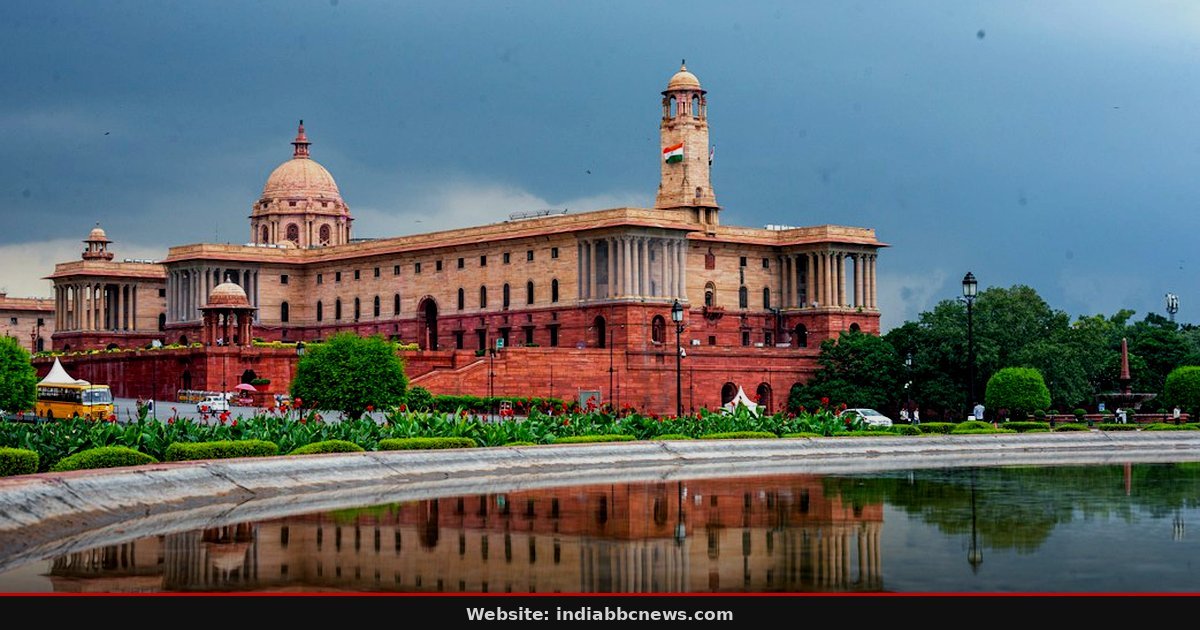
Guntur Collector orders 24/7 vigil for election materials as polling date looms
Saikanth Varma stood in the dimly lit strong room at 7:15 a.m. He didn’t bother with pleasantries. The Collector of Guntur district walked past stacks of wooden boxes, his eyes scanning the lock mechanisms and the sealed envelopes inside. “These boxes cannot move without a second set of eyes,” he told reporters, his voice low but cutting through the hum of the air conditioning. The election schedule is tight, and the administration is treating every minute like it might be the last one before the polls open.
The Strong Room Check That Revealed Gaps in Logistics
Varma’s first stop was the secure storage area where ballot papers and electronic voting machines (EVMs) are kept. He inspected the surveillance cameras, noting that two angles had blind spots near the loading dock. “That’s a security risk, not just a technical glitch,” he stated, turning to the Superintendent of Police who stood nearby with a clipboard. The police officer confirmed that the gaps would be fixed by noon, but the delay had already sparked quiet anxiety among the senior officials watching from the gallery. It was a small oversight, yes, but in an election, small oversights become big headlines.
The room was cold, the kind of artificial chill that makes fingers clumsy when signing off on distribution lists. Varma counted the crates aloud, a habit he’s kept since his first posting in a conflict zone where every inventory item was a potential flashpoint. Three crates were missing their secondary seals, a detail he flagged immediately without raising his voice. The officials scrambled to explain, citing a minor administrative error during the initial unloading.
But in the logic of election security, there is no such thing as a minor error. Just a mistake waiting to happen.
Vehicle Movement at the Distribution Centre: A Traffic Nightmare Waiting to Happen
From the strong room, the Collector moved to the election material distribution centre, a sprawling warehouse that usually sits empty except for municipal waste inventory. Today, it was choked with police vans and administrative jeeps, their engines idling in the heat. Varma stopped the flow of a convoy at the gate, pointing at the tangled queue of vehicles waiting to load. “If these trucks cannot move smoothly, the polling stations will run out of time,” he said, his tone leaving no room for negotiation. The logistics plan assumed a steady stream, but the reality was a bottleneck that could snap under pressure.
The inspector general of the local traffic police was present, sweating through his uniform, trying to explain the local road conditions. He mentioned that a construction site on the main highway was causing delays, but Varma cut him off, not with anger, but with a flat, final look. “The road doesn’t matter. The material does,” he replied, ignoring the bureaucratic excuse entirely.
It’s a reminder that on election day, geography is less important than procedure, and excuses are even less so. The vehicles needed to move, not just because of the schedule, but because the trust in the process relies on it.
Staffing the Counters: Why Every Extra Hand Matters
Inside the distribution hall, the counters were lined up, each one assigned to a specific block in the district. Varma watched the staff shuffling boxes, their movements slow and unpracticed. He pointed to a counter where only one officer was present, noting the lack of a backup for verification. “One person is not enough,” he told the block election officer, who nodded rapidly, apologizing for the thin staffing.
The instruction was clear: every counter must have a minimum of two personnel to ensure no miscount or mishandling occurs. It’s a simple rule, but one that is often ignored until the pressure cooker hisses.
The atmosphere in the hall was tense, a mix of nervousness and the physical exhaustion of the night before. Some officers were leaning against the walls, eyes closed, trying to catch a few more minutes of sleep before the final loading. Varma saw them but didn’t call them out, understanding the human element of the machine. Yet, he also knew that fatigue leads to errors, and errors in ballot counts can unravel entire constituencies.
The balance between rest and vigilance is a razor’s edge, and the district administration was walking it without a net. And that’s a harder sell than it sounds, especially when the clock is ticking down to the morning vote.
Submission Deadlines: The Race Against the Clock
The final leg of the distribution process involves the prompt submission of materials to the polling agents, a step that often gets rushed. Varma emphasized that the timeline must be adhered to strictly, with no last-minute handovers at the polls. “If the material is late, the polling is delayed,” he explained, a dead-simple logic that carried the weight of potential legal challenges. The officers acknowledged, but the skepticism in their eyes was palpable.
In previous cycles, last-minute substitutions have caused chaos, and the memory of those errors is still fresh in the institutional mind. The deadline is not a suggestion; it is the spine of the operation.
A senior officer from the state election commission was on the phone, coordinating with the neighboring districts to ensure a seamless handover at the borders. The call was brief, but the seriousness was evident in the way he held the receiver, his finger tapping the table in a rhythmic anxiety. “We need confirmation by 10 a.m.,” he said, ending the line without a goodbye. The pressure was on, and the coordination between districts was just as critical as the local logistics.
Any hiccup in this chain would ripple out, affecting thousands of voters. The system is fragile, despite the layers of security wrapped around it.
The Human Element: Fatigue, Fear, and Focus
Varma moved through the hall, stopping to speak with a young constable who was struggling to lift a heavy crate of ballot papers. The officer had been on duty for 18 hours, and the bag under his eyes was dark and heavy. “Take a break,” Varma said, surprising everyone in the room, including the constable who looked up with wide eyes. The Commander rarely pauses for the individual, but this moment was not about the box; it was about the person holding it.
It’s a small gesture, but in the grind of election duty, it grounds the mission in humanity. The constable nodded, shifting the weight to his other shoulder, a silent thank-you in the set of his jaw.
As the sun began to climb, casting long shadows across the warehouse floor, the activity slowed slightly. The initial panic of the morning had settled into a controlled routine. Varma stood near the exit, watching the last of the vehicles pull out, their headlights cutting through the morning mist. He checked his watch, a precise gesture that marked the end of his inspection.
The work was done for now, but the vigilance couldn’t stop. The election is not just a process; it is a test of whether the state can hold together under pressure. And in Guntur, that test is just beginning.
Frequently Asked Questions
Why is the Collector inspecting the strong room personally?
The Collector is the district’s top administrative officer and holds ultimate responsibility for maintaining law and order. His personal inspection is a standard protocol to ensure that high-security areas are flawless, signaling that no stone is left unturned before the polls open. It also serves as a morale boost for the staff, showing that leadership is directly involved in the critical tasks.
What happens if vehicle movement is delayed at the distribution centre?
Delays can cause a domino effect, leading to late delivery of EVMs and ballot papers to polling stations. This can result in delayed voting times, increased voter frustration, and potential legal disputes that could undermine the credibility of the results. The strict timelines are designed to prevent any such ripple effects from occurring.
Why does each counter need at least two staff members?
Dual control is a basic principle of security and accountability, ensuring that one person’s error or dishonesty cannot go unchecked. It provides a system of cross-verification, where both staff must agree on the inventory and the condition of the materials. This redundancy is crucial for maintaining the integrity of the election materials throughout the distribution chain.
What is the exact deadline for submitting election materials to polling stations?
While specific times vary by constituency, the general directive is for all materials to be handed over to polling agents well before the voting starts at 7:00 a.m. The distribution centre aims to complete local dispatches by 4:00 a.m. to allow for buffer time in case of traffic or transport issues. Missing this window is considered a major operational failure by the administration.
How does weather impact the movement of election vehicles?
Heavy rain or fog can reduce visibility and slow down traffic, making it harder for vehicles to reach remote polling stations on time. The administration often issues directives to drivers to prioritize safety over speed, but this can conflict with the rigid timelines of the election schedule. Contingency plans, such as reserve vehicles, are usually kept on standby for such unpredictable conditions.
Source: The Hindu
This article was compiled by the IndiaBBCNews editorial system from verified international news sources. Facts have been independently reviewed. Original reporting: The Hindu.

