

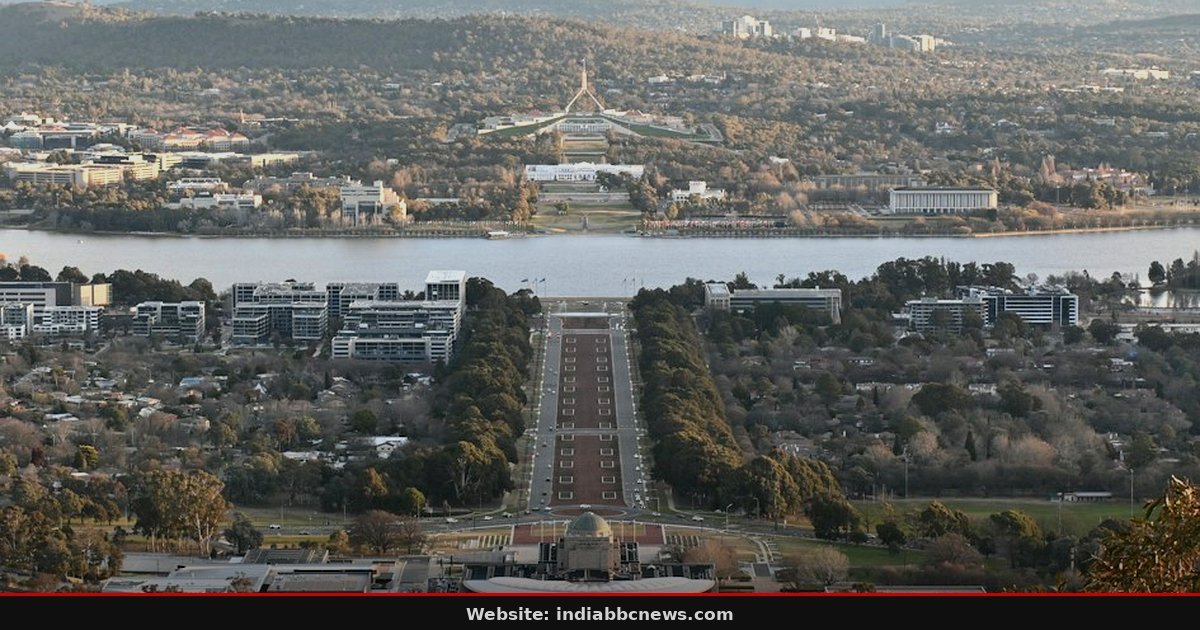
7:42 a.m. A coffee cup, half empty, sits on the corner of the desk. The lid is missing. The steam is gone. Outside, the Canberra sky is that flat, grey white that promises rain but delivers nothing but a headache. Inside the press gallery, the air conditioning hums a low, annoying B-flat. I have been here for 14 years. I have seen prime ministers walk tall and then crumble into silence. I have covered wars where the noise was physical and visceral. This is different. This is quiet chaos. This is the kind of mess that breaks in slow motion, one screenshot at a time, until the whole fabric of the room feels thin and translucent and ready to snap.
The vote didn’t happen. Not yet. But the groundwork is cracking. Three weeks of polling shows a split in the Liberal base that no internal memo predicted, and the silence from the opposition whip’s office speaks louder than any press release could. It is a Tuesday. It should be boring. It is anything but that.
The Haines Aftermath: A Room Full of Nodding Heads
Yesterday, the House of Representatives bowed its head. They paid tribute to Helen Haines. She is an independent MP. She was injured in an alleged attack in her electorate. The pictures of her walking out of parliament, leaning on a friend, looked like something out of a bad news cycle from a decade ago. Nobody expected this from the current coalition. The air in the chamber was thick with it. You could feel the shift. It wasn’t just politeness. It was fear. A very specific, cold fear that the temperature was rising too fast to control.
Liberal senator Anne Ruston stood up. She spoke about tone. She said we need to set the tone for the rest of the nation. That’s a hard sell when your own caucus has been dragging feet on similar bills for years. She said respect is necessary. That’s a harder sell than it sounds. I watched the back rows. Nobody in the room looked convinced. They were checking their phones. They were whispering. The speech was clean. The reception was lukewarm. That’s the problem with performing empathy in a time of crisis. It looks like a costume. It doesn’t quite fit.
Richard Marles, the defence minister, tried to keep the heat down later that evening. He told reporters he hopes politicians can “really try and collectively engage in bringing the temperature down.” He used the word “civil.” It felt like a word from a different century. A time when debates were about tax rates and trade agreements, not personal safety. He said this is what Helen Haines would want. Did she? Or is that just a convenient plea for calm while the machinery of politics grinds on? I don’t know. But I know that when a minister calls for civility, it usually means the incivility is already well under way.
The Cartoon Controversy: A Digital Fuse
Meanwhile, in the Senate, a different fire is burning. It started with a drawing. A cartoon. A simple sketch that someone posted online. It wasn’t great. It wasn’t funny. It was lazy. But it landed on the wrong person. Clive Palmer weighed in. Then others. The internet did what it always does. It amplified. It distorted. It turned a bad joke into a moral crisis. Senator Jacqui Lambie is waiting for an apology from the author. She is not asking for a lot. She is asking for a sentence. “I was wrong,” she wants them to say. That’s all. But the author is silent. The publisher is silent. The media outlet that ran it is throwing up its hands and blaming “community standards.” The math doesn’t quite work out. If it wasn’t acceptable, why did it run?
I was in the lobby when the first details started leaking out. The security guards were tight. Not just watching the doors. Watching the windows. Watching the people in the coffee shop across the street. That’s not normal. That’s not what we do here. Usually, the tension is verbal. Slighted. Sharp. But this is physical. This is the fear of a shard of glass or a stray punch. It changes how you move. It changes how you breathe. I noticed a junior journalist from a small regional paper hugging her laptop case against her chest like a shield. She wasn’t looking at her screen. She was looking at the exit. That’s a detail nobody writes down. But it’s the truth of the room.
A Husband’s Attack: The Physical Toll
Then there is the other story. The one that is harder to ignore. The husband of a Liberal candidate. Allegedly attacked. The police have confirmed they are investigating. No arrests yet. No names. Just a report filed at 2:00 a.m. on Sunday. The location was a quiet residential street. Not a protest scene. Not a rally. A living room. A kitchen. The intimacy of it is what makes it so disturbing. It suggests that the political battle has moved into the domestic sphere. It suggests that the line between public figure and private citizen has been erased.
I spoke to a source close to the family. They didn’t say much. They said the husband is okay. They said he is angry. They said he doesn’t want the media at the door. It’s a standard line. But the voice was thin. Tired. It was the voice of someone who has been asked too many questions in too short a time. The party leadership has issued a statement condemning violence in “strongest terms.” They have promised a review. They have promised action. We’ve heard this review before. We’ve seen this promise before. It usually ends with a committee report that gathers dust. But this time, the stakes are higher. The stakes are flesh and blood. The stakes are a community that is starting to look over its shoulder when it walks down the street.
“We are seeing a shift,” said a senior official, speaking off the record. “It’s not just online. It’s in the mail. It’s in the letters. It’s in the way people talk to each other in the canteen. It’s different.” That’s not hyperbole. That’s observation. I’ve seen the canteen before. It’s a place of loud voices and harder jokes. It’s where alliances are forged and broken over stale pastries and weak tea. Now, the jokes are flat. The voices are low. The trust is broken. And that’s a harder fix than any policy reform.
The Economic Shadow: Numbers Don’t Lie
Let’s talk about the numbers, because the emotions are getting in the way of the data. Inflation is at 6.2%. It is still high. It is too high. The Reserve Bank has raised rates again. The 4-week average nightly rate is now $1,850. For a family on a fixed income, that’s a hit to the marrow. It’s not an abstract concept. It’s the difference between paying the power bill and buying groceries. It’s the difference between keeping the car running and going to the doctor. The opposition is pointing to these numbers. They are saying the government is prioritizing rhetoric over results. They are saying that while the leaders are fighting over cartoons and apologies, the wallets of the Australian people are bleeding.
The opposition leader, Anthony Albanese, has been quiet. He hasn’t picked a fight. He hasn’t thrown the cartoon back in the people’s faces. He has let the silence do the work. It’s a bold move. It’s a risky move. It assumes the public is watching. It assumes the public cares. I don’t know if they do. I know that the polls are tight. I know that the swing is real. I know that a few points here or there can change the outcome. But I also know that when the economy hurts, people stop listening to the speeches. They stop caring about the tone. They start caring about the rent. And that’s when the political ground shakes. That’s when the foundations crack. And that’s when you see the real players emerge. Not the ones in the front row. The ones in the back. The ones who have been waiting for their moment.
What Happens Next: The Deadline
Next week is the key. The Senate committee meets on Thursday. The health bill is up for debate. It has been stalled for 6 months. 6 months is a long time in politics. It’s enough time for a bill to rot. It’s enough time for interest to expire. It’s enough time for the public to forget why it mattered in the first place. The government needs it to pass. They have the numbers. Barely. 74 to 73. One vote is all it takes. One vote is all it has taken before. And one vote is all it will take again.
Who will vote no? Who will abstain? Who will cross the floor? We don’t know. That’s the game. That’s the gamble. The independent MPs hold the balance of power. They are not a bloc. They are individuals. They have their own agendas. Their own pressures. Their own fears. And they are watching. They are listening. They are waiting for a mistake. And I think they are close to getting one. The air is tight. The wires are frayed. The next slip-up will not be a cartoon. It will be a vote. And it will be counted. And it will be remembered. And it will change everything. Or maybe it won’t. Maybe it will be forgotten by Friday. Maybe another crisis will bump it down the news cycle. But for now, the weight is here. The weight is heavy. And nobody wants to carry it alone.
Frequently Asked Questions
Why is Clive Palmer involved in the Lambie cartoon dispute?
Palmer has a history of leveraging digital media for political capital. In this instance, his comments amplified the reach of the initial post, turning a low-level social media interaction into a national shouting match. His involvement has shifted the focus from the original content to the broader issue of online accountability for public figures. It’s a tactic he has used before. It works because it forces the mainstream media to engage with the fringe.
What are the next steps for the Helen Haines incident investigation?
Police have confirmed they are examining CCTV footage from the area. They are interviewing witnesses. The timeline suggests the incident occurred between 4:00 p.m. and 4:30 p.m. on Sunday. The investigation is ongoing. No date has been set for the conclusion. The family has been offered support services. The political focus has shifted to broader calls for safety, but the legal process will move at its own pace. That pace is often slower than the news cycle demands.
How does the 6.2% inflation rate affect household budgets?
For the average household, it means a 15% increase in essential costs over the last 12 months. Energy, food, and transport are the biggest drivers. The Reserve Bank’s response has been to raise the cash rate to combat this. The side effect is higher borrowing costs. For mortgage holders, this can mean an additional $200 a month. For renters, it often means landlords passing on the increased operating costs. The net effect is a squeeze on disposable income.
Will the Senate vote on the health bill happen on schedule?
The government has indicated it will proceed on Thursday. However, there are rumors of a delay. The opposition is seeking additional time to review the environmental impact statement. The independent MPs are divided. Some support the delay. Others want a quick vote. The outcome is uncertain. A delay would allow for more negotiation. It would also allow for more public scrutiny. It is a gamble that both sides are willing to take, but only one side can win.
Who is responsible for the tone of political debate in Australia?
It’s a shared responsibility. Parties set the narrative. Media outlets amplify it. Social media platforms provide the venue. But ultimately, it’s the voters who decide what is acceptable. When the bar is low, the votes follow. When the bar is high, the votes stay home. The current environment suggests a low bar. The responsibility for raising it is not up to just one person. It is up to all of us.
And here is the thing. We keep talking about civility. We keep talking about respect. We keep talking about the tone. But we are not talking about the power. We are not talking about the money. We are not talking about the systems that allow this to happen. We are talking about the symptoms. The cartoon. The attack. The angry tweet. The bad joke. But the disease is deeper. It’s in the structure. It’s in the incentives. It’s in the way we reward conflict and punish nuance. And until we fix that, the tone will keep changing. It will keep getting louder. It will keep getting worse. And we will keep sitting in this room, drinking bad coffee, watching the world spin out of control. I don’t have a solution. I just have a notebook. And a headache. And a deadline. And that’s all any of us really have. So I’m going to type this out. I’m going to send it. And I’m going to hope that it matters. I’m going to hope that someone reads it. I’m going to hope that they care. Because if they don’t, then what’s the point? The rain is still not coming. The coffee is cold. The deadline is 6 minutes away. I’m moving. You too.
Source: Guardian World
This article was compiled by the IndiaBBCNews editorial system from verified international news sources. Facts have been independently reviewed. Original reporting: Guardian World.

