

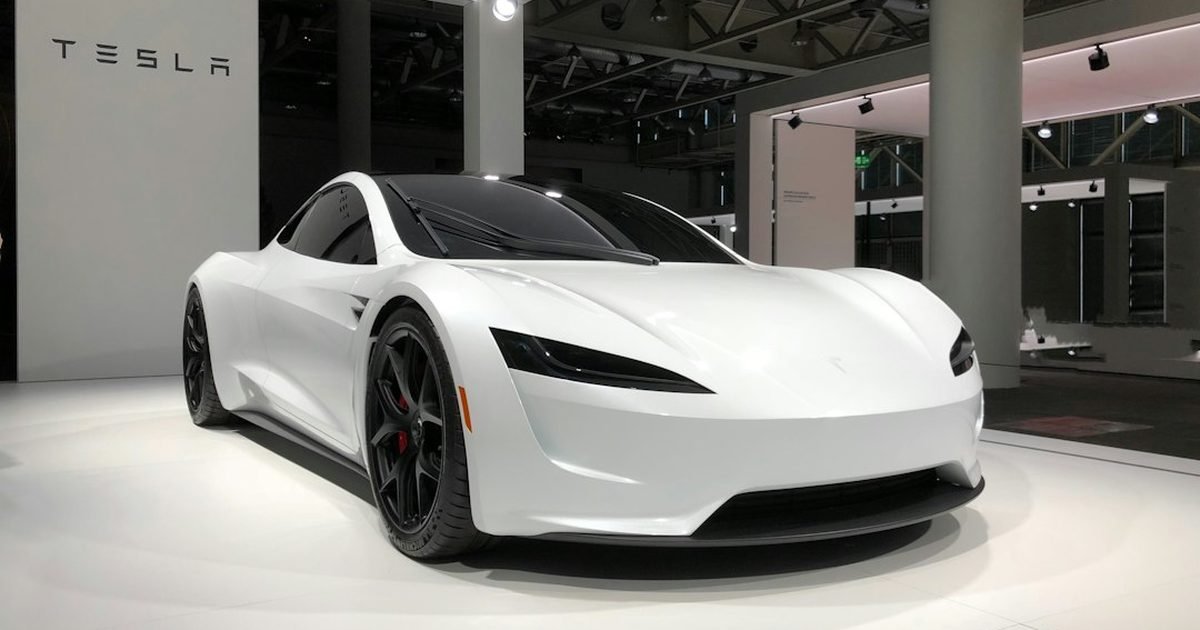
Elon Musk’s electric‑vehicle pioneer announced the 2026 Tesla Roadster on Tuesday, positioning it as a high‑performance, ultra‑luxury sports car with a starting price of at least $200,000. The launch marks Tesla’s most ambitious foray into the supercar segment since the original Roadster’s debut in 2008, and it arrives as traditional luxury marques such as Jaguar and Bentley intensify their own electric offerings.
Tesla’s Bold Return to the Supercar Segment
The new Roadster is presented as a two‑seat coupe capable of accelerating from 0 to 60 mph in under two seconds, a figure that would outpace most internal‑combustion supercars on the market today. While Tesla has not released official specifications, company filings and statements to analysts suggest a top speed exceeding 250 mph and a projected range of more than 600 miles on a single charge. If confirmed, these numbers would set a new benchmark for electric performance.
Pricing and Market Position
With a base price north of $200,000, the Roadster targets a niche of affluent buyers who traditionally gravitate toward gasoline‑powered hypercars. Tesla’s pricing strategy mirrors that of its earlier Model S Plaid, which also carried a premium tag, but the Roadster pushes the envelope further into the realm of exclusive sports cars. The company has indicated that a limited production run will be allocated to early‑access customers, many of whom have already placed deposits for the upcoming model.
Competition from Traditional Luxury Brands
Jaguar, Bentley and other established luxury manufacturers have recently accelerated their electric vehicle (EV) roadmaps, unveiling concepts and limited‑run models aimed at high‑net‑worth clientele. Jaguar’s electric XJ and Bentley’s EXP 100 GT concept both emphasize performance and craftsmanship, seeking to retain customers who might otherwise be drawn to Tesla’s brand cachet. Industry analysts note that the Roadster’s entry could intensify a price‑war in the ultra‑luxury EV segment, compelling rivals to justify higher price points with heritage and bespoke features.
Implications for the EV Landscape
The Roadster’s launch underscores a broader shift: electric powertrains are no longer confined to mass‑market sedans and SUVs but are now being engineered for extreme performance. If Tesla delivers on its claimed specifications, the model could accelerate consumer acceptance of EVs as viable alternatives to traditional supercars, potentially reshaping buyer expectations across the industry. However, critics point out that the high cost may limit the Roadster’s impact on overall EV adoption, keeping it a status symbol rather than a mass‑market catalyst.
Looking Ahead
Production of the 2026 Roadster is slated to begin in late 2027 at Tesla’s Gigafactory in Texas, with deliveries expected to start in early 2028. The company has pledged to incorporate its latest battery technology, which promises faster charging and longer lifespan, though detailed technical data remains pending. As the automotive world watches, the Roadster could become a litmus test for how far premium electric performance can go without compromising on price, range or brand allure.
While the Roadster’s exact capabilities will only be verified once the car reaches customers, its unveiling signals Tesla’s intent to dominate not just the mainstream EV market but also the high‑end performance niche. The move may compel legacy manufacturers to double down on their own electric supercar projects, potentially ushering in a new era of ultra‑luxury electric mobility.
Source: New York Times, Technology section, 15 October 2026.
This article was compiled by the IndiaBBCNews editorial system from verified international news sources. Facts have been independently reviewed. Original reporting: NYT Technology.

