

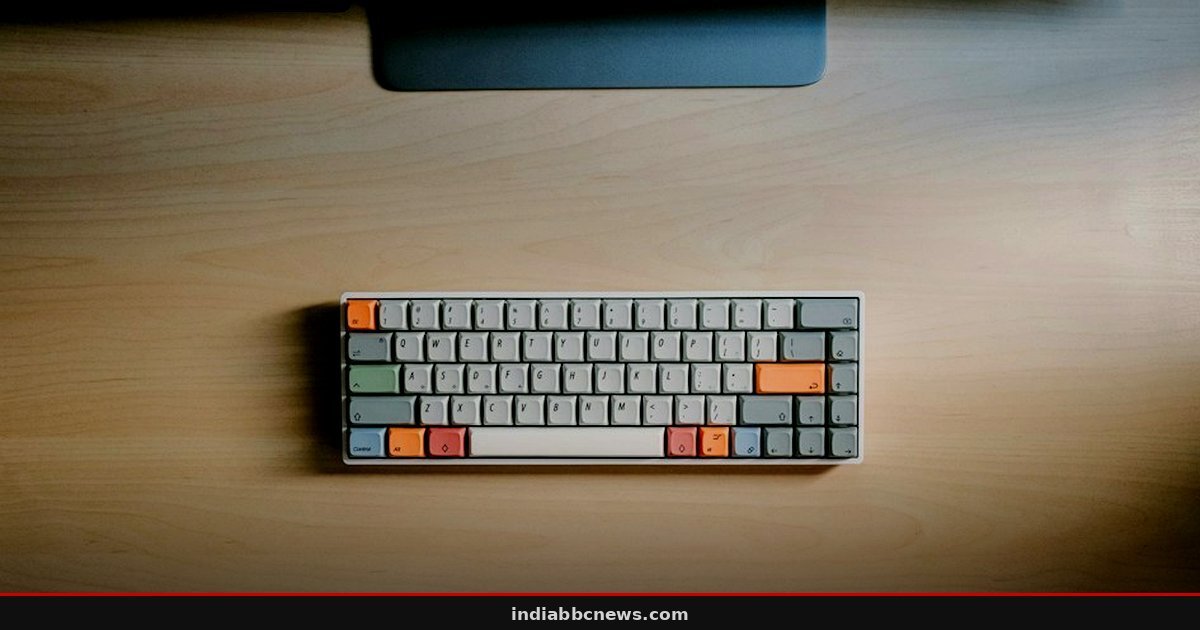
The Turtle Beach Vulcan II XP costs $150 and lands with a 6/10 rating, a score that signals a product caught between ambition and execution. It’s a full-size mechanical keyboard that types beautifully but plays decently, held back by a plastic chassis that undermines its aluminum exterior. If you’re hunting for a board that doesn’t force you to make constant trade-offs, this isn’t it.
Released on October 23, 2026, the device targets the mid-to-high tier segment with features usually reserved for premium kits. Yet, the inclusion of non-Hall effect switches and a 1,000-Hz polling rate places it squarely in the middle of the pack. Competitors offer 8,000-Hz rates and superior build quality for similar prices, making the Vulcan II XP a tough sell for competitive players who demand peak performance.
Aluminum Top, Plastic Bottom
The visual presentation is deceptive. From the front, the 462 x 153 x 32 mm board looks sharp. The floating-key design sits on a brushed-aluminum top plate that feels premium to the touch. But flip it over, and the illusion shatters. The underside is a basic plastic basin that feels cheap and flimsy. It’s a jarring contrast that makes the $150 price tag feel overstretched.
Thankfully, the functional elements save it from being a total eyesore. The legs pop up to add 10 mm of height, providing a comfortable typing angle. The included soft foam wrist rest snaps onto the front underside. It’s not memory foam, so durability is questionable, but it offers immediate support. The wired connection uses a detachable 1.8-meter USB-C to USB-A cord. For competitive gamers, the zero input latency of a physical connection is a non-negotiable benefit. A wireless version, the Vulcan II XP Air, will launch later for an additional $50.
Swarm II Software Does the Heavy Lifting
Out of the box, the experience is chaotic. The default RGB lighting is a blinding rainbow cascade that demands immediate attention. You need the Swarm II app to tame it. The software unlocks the board’s true potential, offering 10 built-in light effects and per-LED customization. Most of these presets are gimmicky, but the custom slot allows for precise control over color, speed, and pattern.
The real value lies in the macro manager. It supports dozens of games, from Counter-Strike to Skyrim, with pre-set layouts. You can remap every key and store five onboard profiles. This is useful for switching between work and play. The macro manager allows for millisecond-level control over input activation. However, features like ReacTap, which assigns two commands to one key, might violate automation rules in some competitive scenes. Users should check their game’s fair play policies before enabling these tools.
Typing Feel and Switch Compromises
The board is a joy to type on. The linear switches are factory-lubed, offering a smooth, silent travel until the final clack. This smoothness can be a double-edged sword. It’s easy to accidentally long-press a key, leading to errant stretches of letters like “whennnnnnn.” In games, this tripped me up twice before I adjusted. The tactile switch model offers a bump of resistance, which may help prevent these accidental holds.
The biggest technical compromise is the switch type. Unlike the earlier Vulcan II TKL Pro, the XP uses standard mechanical switches, not Hall effect. This means you lose the long-term accuracy and reliability benefits of magnetic sensing. The claims of 50 million keystrokes are respectable, but only a third of the TKL Pro’s 150 million. The keys are hot-swappable, supporting three-pin and five-pin switches. This makes upgrades easy, but it trades durability for flexibility. The 1,000-Hz polling rate provides a 1-millisecond response time. It’s competition-grade, but it lags behind the 8,000-Hz boards available in the market.
Frequently Asked Questions
Is the Turtle Beach Vulcan II XP worth $150?
It depends on your priority. If you value a low-profile full-size board with excellent typing feel and strong software support, it’s a solid choice. The aluminum top plate and hot-swappable switches add value. However, the plastic underside and lack of Hall effect switches hold it back. If you’re a competitive gamer needing the highest possible polling rate, you’ll find better options elsewhere. For hybrid users who game and type, it’s a decent compromise.
Does the Vulcan II XP support wireless connectivity?
No, the base model is wired-only. It connects via a detachable 1.8-meter USB-C cable. Turtle Beach is launching a wireless version called the Vulcan II XP Air, which will cost $50 more. The wired version ensures zero input latency, which is critical for competitive play. The wireless option will likely introduce some lag, though modern tech has minimized this issue.
The next major decision point is the release of the wireless variant. If you can wait, the Air model might address some connectivity concerns, though it adds to the cost. For now, the wired XP stands as a capable but flawed tool. It’s not the best in class, but it’s functional and well-built enough for daily use. Just be prepared to accept the plastic underneath and the lower keystroke lifespan.
Source: Wired
This article was compiled by the IndiaBBCNews editorial system from verified international news sources. Facts have been independently reviewed. Original reporting: Wired.

