

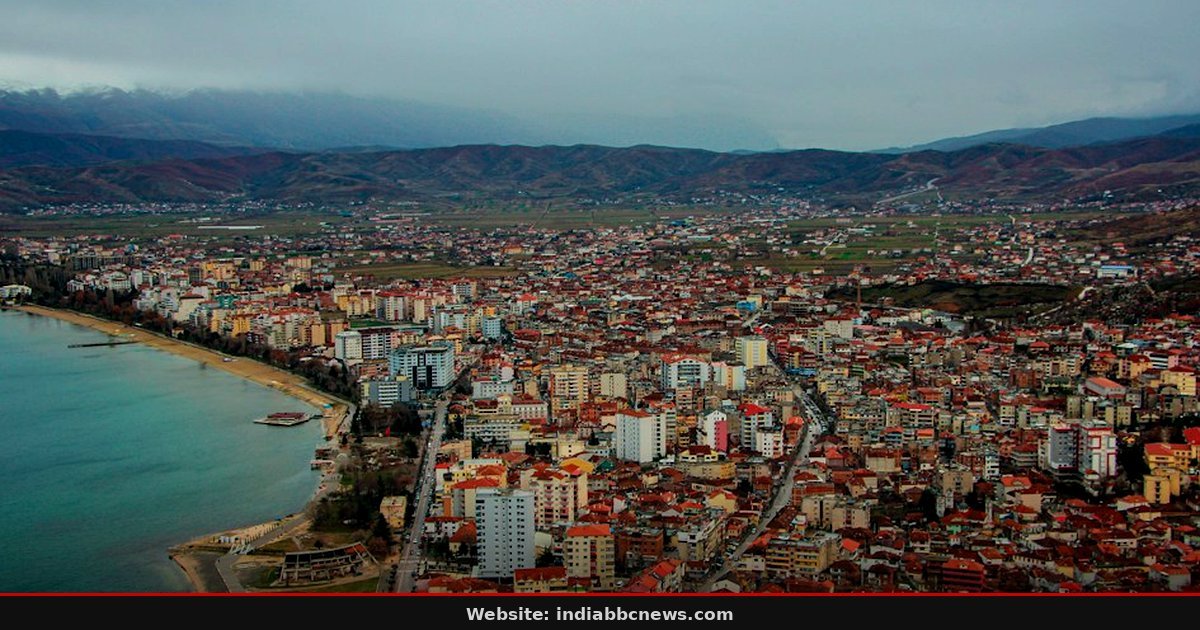
Tirana is shaking again. For the 3rd time this month, students have hit the streets, not with signs, but with a fury that has shaken the foundations of the European small state’s political stability. The march began quietly enough, a sea of yellow scarves, but by 4 p.m., the mood had curdled into something far more dangerous. Government forces, already stretched thin, found themselves facing a crowd that refused to disperse despite tear gas and rubber bullets. It’s not just about tuition fees anymore. It’s about whether Albania can actually be counted on as a reliable partner in the new geopolitical order, or if it remains a volatile patchwork of patronage and protest.
The Kushner Factor
The spark was a simple piece of real estate development. Or rather, the name attached to it. Jared Kushner, President Trump’s son-in-law, has ties to a project in the capital. Details are scarce, which is typical for these kinds of deals, but the mere association has lit a fuse. Students aren’t just angry about the cost of a flat; they’re angry about the optics. Why should a project linked to the inner circle of the US President seem to operate with fewer scrutiny standards than local businesses? One protester, a 22-year-old law student, told reporters, “They think they can buy the city out. They don’t know how it feels here.” That quote circulated on Twitter faster than the news agencies could verify her name. And while no official link between Kushner’s personal assets and this specific Albanian plot has been confirmed by his team, the perception is all that matters on the ground. Rumors are flying. Some say the land was acquired through a shell company registered in Cyprus. Others say it’s a legitimate partnership with a local developer. The truth is murky. But the anger is real. And it’s loud.
Economy vs. Education
You can’t separate the protests from the pocketbook. Inflation in Albania hit 8.2% last quarter, a number that stings when your salary hasn’t moved in 2 years. The government blames global energy costs. The opposition blames incompetent management. The students believe it’s both. They’ve been demonstrating for 3 weeks now, living in tents outside the main square. It’s a grueling existence. Rain washed out their supplies twice. The electricity got cut once, allegedly by mistake, though locals swear it wasn’t. A 47-year-old mother, who has been supporting her child’s protest efforts, said in a statement, “I sell clothes in the market. I can’t afford to send my son to university anymore. So he’s out here.” It’s a simple math problem that the politicians in their climate-controlled offices seem to have missed. The cost of living isn’t an abstract concept. It’s the price of bread, the rent on a single room, and the bus ticket home. And when that price doubles while your pay stays flat, you don’t write a letter to the minister. You go out and you shout.
Policing the Chaos
Security forces are under immense pressure. They didn’t start with batons, at least not visibly. For the first 2 hours, they stood in a line, faces hidden behind masks, arms crossed. It’s a tense standoff. One wrong move and it’s not a protest, it’s an uprising. I watched a young officer laugh nervously at his partner during a lull in chanting. That 2-minute pause felt like an hour. Then a stone flew. And the line broke. The subsequent clash was brief but brutal. Two students were hospitalized with minor injuries. No one was killed. But the image of a police line retreating down a cobblestone street is not a good one for a country trying to join the EU. It suggests a state that cannot control its own territory. Or at least, that it cannot control its own people. Which one it is remains to be seen. But the EU officials watching from Brussels are not happy. They want stability. They want rule of law. They want a partner. What they’re getting is a headache.
What Comes Next
The next 48 hours are critical. The government has announced a new coalition cabinet. It’s a thin majority, 61 seats in a 140-seat parliament. That’s a harder sell than it sounds. One slip, one controversy, one inflammatory speech, and the whole thing collapses. The students are demanding a meeting with the Prime Minister within 7 days. If that doesn’t happen, they say they will return. And they mean it. Their energy is fresh, their anger is justified, and their numbers are growing. There’s no sign of a ceasefire. The capital is still tense. Shops are closed. Buses are not running. It’s a city holding its breath. We’re watching to see if the new cabinet can negotiate or if they’ll simply wait out the storm. History suggests they’ll wait. But this time, the storm might not pass. It might stay.
Frequently Asked Questions
Is Jared Kushner directly involved in the Albanian project?
There is no confirmed public evidence that Jared Kushner personally owns the land. The connection is through a development firm with which his family has had previous business interests. His representatives have not yet commented on the specific Albanian plot. The controversy is largely driven by public perception and political opposition exploiting the association.
Why are students protesting about cost of living if it’s a national issue?
Students are the most vulnerable to inflation because they have no stable income. They are also a visible, organized block that can shut down the capital easily. By linking economic hardship to political corruption, they have made the protest broader than just education. It’s a symptom of a wider failure of the state to manage the economy effectively.
Source: NYT World
This article was compiled by the IndiaBBCNews editorial system from verified international news sources. Facts have been independently reviewed. Original reporting: NYT World.

