


Trump’s $1.5 Trillion War Budget Faces a Hard Stop as Democrats Take the Reins
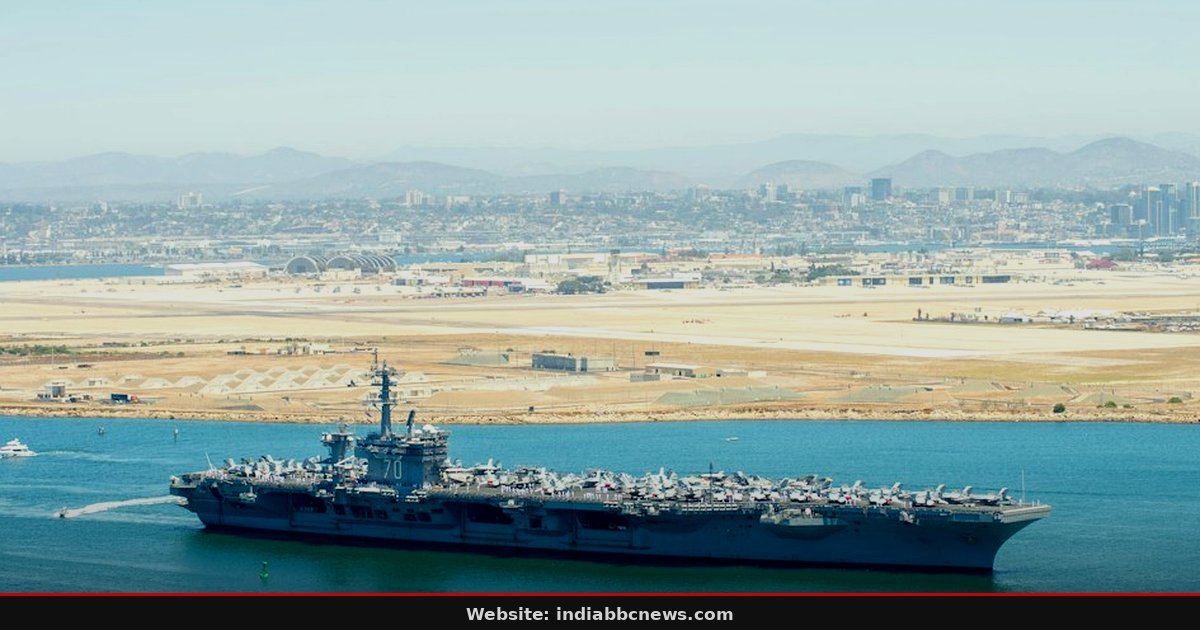
The number is staggering. $1.5 trillion. That is the price tag on the 2027 defense budget Trump just handed to Congress, and it is currently blowing up on the desk of a very different group of lawmakers. Trump called them the “Golden Fleet.” He wants 15 nuclear-powered battleships that he claims hit with “100 times the force” of older vessels. The Congressional Budget Office, which does not care about vibes, puts the cost at $275 billion just for those initial ships. It is a massive gamble.
The Battle Over the “Golden Fleet” Is Just Beginning
Now, Adam Smith is in the driver’s seat. The ranking Democrat on the House Armed Services Committee leaked a letter last week that reads less like a policy brief and more like a personal attack. He called the plan “an ill-conceived vanity project.” He wants drones. He wants cheap missiles. He does not want kings on floating castles.
Why the Golden Dome Is Slipping Away
Then there is the sphere. The “Golden Dome” is a $1.2 trillion space-based shield designed to catch incoming missiles before they burn up. It sounds like science fiction, but the bill is very real. It mirrors President Reagan’s “Star Wars” program from the 1980s, which famously stalled in the bureaucracy before ever touching the sky.
Generals are sweating. Space Force Gen. Michael Guetlein said it plainly in August: if Congress doesn’t figure out the money, the dome doesn’t exist. There is no magic.
There is only funding. And right now, that funding is evaporating faster than the ice in the Speaker’s office cooler.
What This Budget Freeze Means for India’s Strategic Calculus
For New Delhi, this is not just US drama; it is a security vacuum. India has spent the last 5 years trying to lock in defense infrastructure through the “Defense 2.0” program, aiming to source 70% of its gear locally. But the US partnership is still the backbone of India’s high-tech imports. If Washington shrinks its defense spending for 2027, the premium tech India is negotiating for—like the F-35s or Javelin missiles—could become less attractive or even unavailable as US industry pivots to domestic needs. India cannot afford to bet its border security on a US Congress that is currently focused on its own internal fights. The “Golden Dome” wasn’t offered to India, but the shift in US priorities signals a retreat from global obligations that New Delhi must now prepare for.
This also changes the math for Indian shipyards. If the US stops building its nuclear fleet, the global naval balance shifts instantly. China, which is building carriers at a furious pace, will see a temporary window of opportunity. Indian analysts at the IDRCA have already noted that a US distracted by its own budget wars leaves the Indian Ocean more volatile.
We’re seeing this tension in the joint exercises with the US Navy, which have become noticeably quieter in their public announcements. The message is clear: the alliance is still there, but it is no longer the ironclad guarantee it was in 2023.
Experts Say the Branding Killed the Deal
It wasn’t just the cost that broke the project. It was the name. Retired Marine colonel Mark Cancian, a senior adviser at CSIS, told reporters that the “Trump battleship” was doomed before the vote even started. He said the branding made it a target for the other side.
No Democrat wants to be seen approving a ship named after a man they despise. It is that simple. It is also that desperate.
Retired Rear Admiral Mark Montgomery added that the ship concept ran counter to 10 years of bipartisan naval strategy. The Navy should be spreading out its firepower, not clumping it into massive, expensive targets. He called the idea “stormy seas” before the elections even happened. The timing, however, made it impossible to save. The ship has sailed, and nobody wants to pay for the anchor anymore.
What Happens Next for the US Military
The clock is ticking toward January. The new committee chairs will take their seats in a few weeks. They will look at the $1.5 trillion line item and they will cut. There is no other option.
The debt ceiling is already a flashpoint, and adding a trillion for a space shield is a non-starter for most members. Expect a long, ugly negotiation that drags through the winter.
Anna Kelly, the deputy press secretary, insisted Trump will “work with anyone.” But history shows that “working with” usually means the White House gets half of what it wants, and the rest goes into the shredder. The military will not collapse, but it will change. It will become smaller, cheaper, and much more focused on drones and software than on bricks and steel. That’s a harder sell than it sounds.
Frequently Asked Questions
Why is Trump’s battle ship plan controversial?
It costs $275 billion for just 15 ships. Critics say it is too expensive and ignores the threat of cheap drones and missiles. It is a proposed space-based missile defense shield. It uses sensors and interceptors in orbit to stop threats before they reach the ground.
What is the Golden Dome system?
How does this affect India?
India may face delays in acquiring advanced US military hardware. The US focus on domestic politics could weaken its global security commitments in the region. Democratic members of Congress, led by Adam Smith, are planning to cut these “vanity projects” from the 2027 defense bill.
Who is fighting against the budget?
Source: The Independent World
Source: The Independent World

