


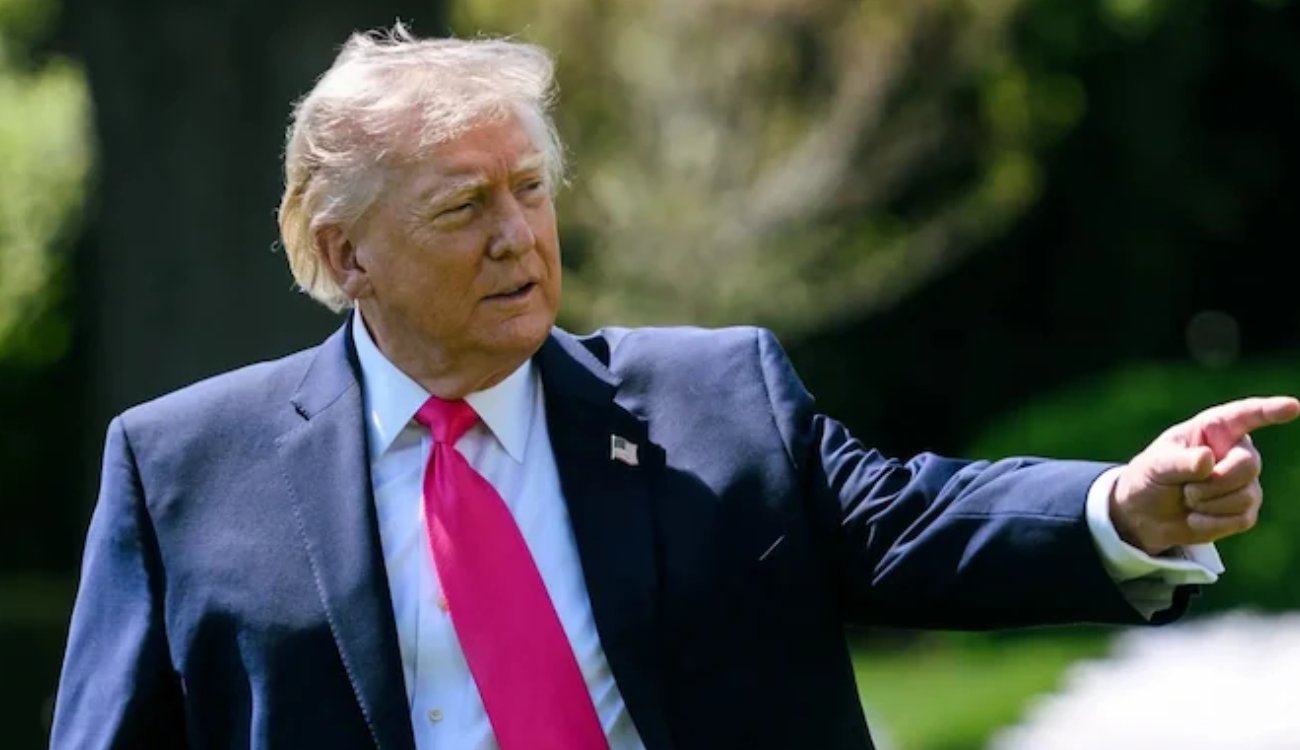
Trump confirmed he would attend the White House Correspondents’ Dinner — the annual event at which Washington’s press corps hosts the sitting president for an evening of jokes, toasts, and mutual performance of amicability. His attendance came with conditions, outlined in a social media post, about the “tone” of what would and wouldn’t be acceptable.
The decision reverses Trump’s first-term practice of boycotting the event, which he consistently attended in his second term framing as a sign of his comfort with media engagement. The reality, as with many Trump media-relationship decisions, is more complicated.
Why He’s Going
The Correspondents’ Dinner is simultaneously a media institution, a fundraiser for journalism scholarships, and a very large room full of people whose coverage of the administration matters. Not attending signals contempt in a way that has costs — it reinforces a narrative of fear or hostility that Trump’s team has been trying to moderate.
Going, and performing well, is a chance to dominate a room that traditionally belongs to the press corps. If the jokes land and the room responds, the coverage becomes: “Trump commanded the Correspondents’ Dinner.” That’s a better story than “Trump boycotted it again.”
The “Conditions” He Named
The conditions Trump referenced — around jokes that are “too nasty” — reflect the tension that has always existed between the dinner’s entertainment tradition and the sensitivities of whoever is president. Previous presidents have accepted a certain amount of pointed political humour as the price of attendance. Trump is signalling that his tolerance for that tradition is limited.
The comedian booked for the evening has indicated, according to sources, that they intend to be themselves. How that interaction plays out will be the most watched part of the evening.

