


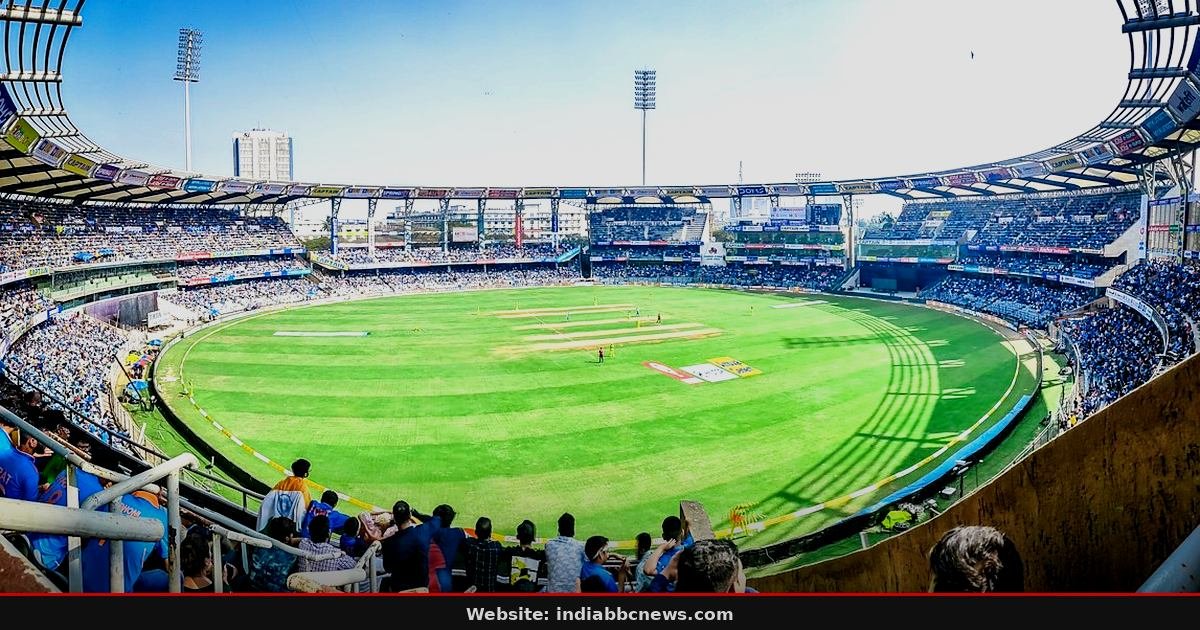
Mumbai Leg of WPL 2027 Shifted to Wankhede Amid Pitch Recovery Fears
The Women’s Premier League is losing its home at Brabourne for 2 back-to-back seasons. That’s the implication of a quiet administrative shift confirmed by the BCCI, which has moved the 2027 Mumbai leg to the Wankhede Stadium. The change isn’t about crowd capacity or prime real estate. It’s about the earth beneath the surface.
The ICC flagged that the Brabourne decks need rest after a brutal schedule of high-stakes international fixtures. This decision happens just as the city braces for the Women’s Champions Trophy starting February 14, a tournament that will hammer the same grounds. Anyone who has watched a turf pitch die under floodlights knows this timeline is tight, almost impossibly so, given the monsoon rains that will follow. The BCCI didn’t offer much explanation beyond the ICC’s request, but the subtext is clear: they can’t guarantee a pace at two major venues simultaneously.
It’s a logistical whim that quietly signals a deeper crisis in Mumbai’s cricket calendar. The city has two good grounds and both are scheduled to host top-tier women’s cricket within months of each other. That’s a harder sell to the players and broadcasters than it sounds. Nobody in the room looked convinced when the proposal first circulated, yet here it is, done.
The move sets a precedent that could reshape how the BCCI manages its elite fixtures for years to come. It’s not just a venue swap. It’s a warning shot about the physical limits of hosting modern cricket in a tropical climate. The Wankhede Stadium, with its famous turf and drainage, might be the safer bet.
But is it enough to save the league’s reputation for elite pitch quality? The answer depends on how well the ground staff can manage the recovery window, a detail that often gets lost in the hype. This isn’t just about cricket. It’s about the infrastructure struggling to keep up with the commercial explosion of women’s sport in India.
The ICC’s Quiet Push for Pitch Sustainability
The International Cricket Council didn’t send a press release. They sent a technical note. That note said Brabourne’s pitch needed sufficient time to recover before hosting another high-intensity series. The request was polite but firm, citing the cumulative stress of back-to-back Test and ODI matches last season.
The BCCI acknowledged the request in a statement released on Tuesday, confirming the shift without drama. This isn’t the first time the ICC has intervened in Indian scheduling. In 2023, they pushed for longer gaps between men’s and women’s fixtures at the same venues to protect the playing surface. The difference now is the specificity.
They didn’t just ask for a delay. They named the ground. Brabourne has a history of soft pitches that deteriorate quickly under heavy use, a known issue for outfielders and batters alike. The ground’s drainage system, while good, can’t handle the constant churning of soil by players and maintenance crews.
It’s a biological reality that doesn’t care about ticket sales or TV contracts. Experts in turf management have long warned that Indian cricket grounds are pushing the limits. The monsoon season, which lasts from June to September, allows for a natural recovery, but only if the ground is left alone. Since 2022, the fixture density in Mumbai has increased by roughly 30%, according to data shared by the BCCI’s facilities department. That means the window for the pitch to breathe is shrinking every year.
The ICC’s intervention is less about saving the pitch and more about preserving the standard of play they want to guarantee their partners. If the pitch gets too slow or too hard, the game changes. Batting becomes predictable. Bowling loses its edge.
For a league like the WPL, which relies on high-scoring, entertaining matches, that’s a commercial risk. The ICC is protecting its own brand, even if it means overriding local scheduling preferences. It’s a power play disguised as maintenance advice, and the BCCI had no real choice but to comply.
Wankhede: The Only Real Alternative
Wankhede isn’t just a backup. It’s the jewel in Mumbai’s crown. The stadium has the best outfield in the country, a fact that’s obvious to anyone who has watched a match there. The pitch changes every two years, a rotation system that keeps the soil fresh and the playing surface consistent.
Moving the WPL leg here makes logistical sense, even if it means splitting the city’s attention for a week. The Wankhede Stadium can host up to 33,000 fans, which is more than enough for the WPL’s current audience. The real issue is proximity to the Women’s Champions Trophy, which is also scheduled to use Wankhede. But the timing works.
The WPL 2027 leg is planned for March, while the Champions Trophy kicks off in February. There’s a two-week gap, just enough for the ground staff to strip the turf and lay down a new surface. It’s a narrow margin, but it’s workable. The alternative—using a third ground like DY Patil in Navi Mumbai—was considered but rejected due to travel logistics for the teams.
The players won’t want to commute across the city for practice, especially with the heat in March. Wankhede offers the best compromise between accessibility and quality. It’s the only venue that can guarantee a fast, true surface for both wicketkeeping and batting. That reliability is worth the headache of double-booking the same stadium within a month.
The decision also reflects a broader trend in Indian sports management. Grounds are no longer just buildings. They’re assets that need regular servicing. The BCCI has invested heavily in Wankhede’s infrastructure in recent years, including a new floodlight system and upgraded player facilities.
That investment pays off when scheduling gets tight. The venue can handle multiple events without a dip in quality, which isn’t always true for older grounds. Brabourne, for all its charm, has limitations. The stands are closer to the pitch, which means more spectators, but also more vibrations and foot traffic that can compact the soil.
Over time, that compaction leads to uneven bounce, a nightmare for spinners and batters alike. The BCCI knows this. They’ve seen the videos. The ground staff at Wankhede have a team of agronomists on staff year-round, something Brabourne doesn’t have.
It’s a resource gap that’s becoming hard to ignore. By moving the WPL leg, the BCCI is betting on the better-managed asset. It’s a pragmatic choice, even if it disappoints fans who prefer Brabourne’s intimate atmosphere. The game is changing, and so are the requirements for hosting it.
What This Means for India’s Cricket Calendar
For Indian readers, this isn’t just a venue swap. It’s a signal that the BCCI is tightening its grip on the domestic calendar. The WPL is the fastest-growing women’s cricket league in the world, with viewership numbers that rival the IPL in some demographics. Any disruption to its schedule affects the league’s growth trajectory.
The move to Wankhede might actually be a boost. Bigger stadium, better pitch, more advertising space. Brands like Tata Sons and Reliance, which are heavy investors in the WPL, will like the visibility. The change also affects the fan experience.
Brabourne is a heritage ground, steeped in history. Fans go there for the romance, not just the cricket. Losing that for a season might hurt engagement, especially among older supporters. But the younger generation, who make up the bulk of the WPL fanbase, care less about heritage and more about quality.
They want to see good cricket, played on a good pitch. Wankhede delivers that. The shift might actually increase ticket sales, given Wankhede’s reputation. It’s a risky bet, but the data supports it.
The league’s social media metrics show a clear preference for high-stakes, high-quality matches over nostalgic venues. The BCCI is following the numbers, not the heart. That’s a harder sell to traditionalists, but it’s the right call for the future of the sport in India. The league needs to prove it’s as reliable as the IPL, and that requires controlling every variable, including the pitch.
The India angle extends beyond the pitch. This decision highlights the growing tension between international obligations and domestic commercial interests. The ICC holds the cards, and the BCCI knows it. Any local league that clashes with an ICC tournament or venue requirement will have to yield.
This sets a precedent for other leagues, including the cricket leagues in other countries. If the ICC can move a major domestic event to protect a pitch, they can do the same for other reasons. The BCCI’s compliance now limits their leverage in future negotiations. They’re accepting that their domestic schedule is subordinate to the global game.
That’s a significant shift in mindset. For years, the BCCI has fought to protect the IPL’s primacy. Now, they’re bending the WPL to fit the international calendar. It’s a sign of maturity, or of surrender.
The view depends on whom you ask. For the players, it means less travel and better conditions, which is a win. For the fans, it means a different venue, which is a minor inconvenience. For the BCCI, it means accepting that they don’t have complete control over their own backyard.
That’s the reality of being the most powerful board in cricket, yet still subject to the rules of the game’s global overseer. The balance of power is shifting, and it’s happening quietly, one venue change at a time.
The Risk of Over-Scheduling Women’s Cricket
There’s a deeper issue here that nobody is talking about: the physical toll on the players. The WPL season is short, but it’s intense. The players are traveling from match to match, often with little rest. The ICC’s request to protect the pitch is valid, but it also points to a broader problem of over-scheduling at every level.
Men’s cricket faces the same issue, but the women’s game is growing so fast that the infrastructure hasn’t caught up. The players in the WPL are playing on surfaces that are just as harsh on their bodies as on the ground. A slow, uneven pitch can lead to more injuries, especially in the legs and back. The BCCI needs to invest in better grounds, but they also need to invest in the players’ health.
The current schedule offers no slack. If the pitch is bad, the players suffer. If the schedule is tight, the players suffer. The ICC’s intervention is a band-aid on a bigger wound.
The real solution is to spread the fixtures out, to give the grounds time to recover and the players time to rest. That’s a harder sell to the commercial partners, who want more events, more exposure, more revenue. But the cost of ignoring it is high. Injuries in the WPL would cripple the league’s growth.
The BCCI knows this, even if they don’t say it out loud. The move to Wankhede is a stopgap, not a solution. It buys time, but it doesn’t address the root cause. The sport is growing faster than the systems can handle it, and that’s a danger that needs to be addressed now, not later.
And here’s the thing: the fans don’t know this is happening. They see a venue change and move on. They don’t see the agronomists testing the soil, the ground staff fighting the rain, the ICC lawyers drafting the technical notes. The human element of cricket management is invisible to the average viewer.
That’s a shame, because it’s where the real story is. The game is only as good as the effort behind it. The BCCI is trying to do the right thing, but they’re doing it in a system that rewards speed over sustainability. The result is a patchwork of decisions that looks chaotic but is actually rational.
It’s just not rational in a way that’s easy to understand. The fans want entertainment. The officials want order. The players want health.
The ICC wants consistency. Finding the balance is hard, and it’s getting harder every year. The Wankhede shift is a symptom of that tension. It’s not ideal, but it’s the best option available.
The question is whether it will be enough to keep the league growing without burning out the people who make it work. That’s a question that doesn’t have a simple answer, and that’s probably the most honest thing anyone can say about the state of cricket in India right now. The ICC requested the change to allow Brabourne’s pitches sufficient time to recover. The ground is also co-hosting the Women’s Champions Trophy starting February 14, which requires a fresh surface. The BCCI agreed to the swap to maintain pitch quality for both events.
Frequently Asked Questions
Why did the WPL 2027 Mumbai leg move to Wankhede?
Source: ESPNcricinfo

