

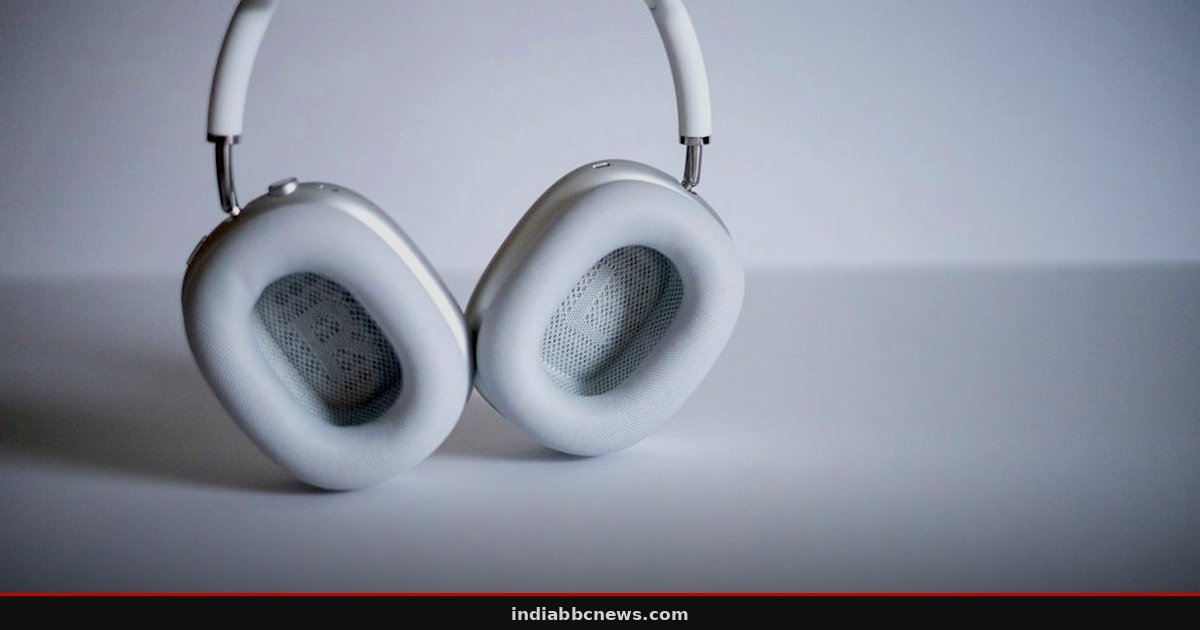
The TDM Neo headphones, which won a flurry of awards at CES 2026 for their ability to twist into a Bluetooth speaker, are a marvel of mechanical engineering that fails as an audio device. At $249, the gadget promises two products in one, but after two weeks of daily use, the only thing it truly delivers is a headache. It’s a $249 price tag for a $100 novelty with mediocre sound, and that calculation doesn’t work for most buyers.
Chris Haslam, Senior Gear Correspondent at Wired, spent the last fortnight testing the device, a startup product that initially captured the imagination of the tech press. The appeal was obvious: in an industry stuck in a loop of incremental updates and new colorways, the Neo offered a genuine mechanical twist. But Haslam’s verdict is blunt. “I’m impressed by the engineering,” he notes, “but less impressed by the sound.” The rating? A damning 5 out of 10.
The Gimmick Works, But It’s Addictive
The mechanism is smooth, almost hypnotic. Rotate the ear cups around the cushioned headband, bring them together, and strong magnets snap into place. The headphone drivers disable; outward-facing Bluetooth speakers kick in. It’s a clever solution to a problem few people realized they had. The engineering is solid. The connection never popped open accidentally, even during vigorous handling. The action is reliable, and the switching between modes is instant. This is the part of the product that works. It’s the part that makes you want to show it off to friends at the bar.
But the design quirks reveal the compromises. In speaker mode, the volume button is inverted. On first use, Haslam instinctively turned the volume down when he wanted it up. A minor gripe, but it highlights the lack of refinement in the user interface. The power button and 3.5-mm AUX input face upward, meaning the USB-C cable sticks out the top. It’s not aesthetic. It’s a functional compromise that you’ll notice every time you charge the device.
Sound Quality: A Boxed-In Experience
Here’s where the Neo falls apart. The headphones use four 40-mm drivers—two for listening, two for speaker mode. The outward-facing speakers are rated at 5 watts each, totaling 10 watts. That’s not a lot. For context, the highly regarded $55 JBL Go 5 has 4.5 watts. Wattage doesn’t guarantee quality, but it sets expectations. The Neo’s speaker audio is not up to par with current competition. It’s adequate, but not impressive.
As headphones, the Neo is on-ear, with no active noise cancellation (ANC). That’s a rarity in 2026. Brands like Sony, Bose, and Apple have moved to larger, plusher over-ear designs with powerful ANC. The Neo relies on noise isolation, achieved through firm earpads and a tight fit. It works, but it’s not comfortable. The fit is tight, especially for larger heads. The earpads lack plushness, and the pressure builds up over time. It’s tiring. The sound is detailed, with clear bass and distinct vocals, but it feels cramped. Instruments are crowded. The presentation lacks scale and openness. It’s not bad, but it’s compromised. And at $249, you can do better.
Battery Life and Build: The Good Parts
Where the Neo shines is in battery life and build quality. TDM quotes over 200 hours for headphone mode and 16 hours for speaker mode. That’s impressive. A quick five-minute charge yields eight extra hours. The build is robust. The magnets are strong. The headband is flexible but supportive. The app allows for EQ customization and even has a “Find My” feature for device tracking. You can lock the Neo in speaker mode to wear around your neck, though Haslam advises against using it on the train. “If you have any love for your fellow commuters, don’t do this,” he writes. A fair point.
Weight is another factor. At 11.9 ounces, the Neo is heavy for on-ear headphones. It’s 34% heavier than the Sony WH-1000XM6, which is an over-ear model. It’s 1.9 ounces heavier than the Soundcore Space One Pro and 4.25 ounces heavier than the Beats Solo 4. That weight is noticeable. It adds to the sense of compromise. You’re carrying extra hardware for a feature that doesn’t deliver top-tier audio.
The Verdict: Engineering Over Audio
The TDM Neo is a fascinating piece of engineering. It solves a problem no one asked to have, but solves it well. The twist mechanism is innovative, the battery life is excellent, and the build quality is solid. But the audio performance doesn’t justify the price. You’re paying a premium for a gadget that sounds mediocre. If you’re a tech enthusiast who values novelty, you might like it. If you’re a music lover who cares about sound quality, look elsewhere. The Neo is a two-for-one deal, but it gives you the worst of both worlds. It’s a curiosity, not a necessity.
Frequently Asked Questions
Is the TDM Neo worth $249?
No. At that price, you can buy a dedicated pair of high-quality headphones and a decent Bluetooth speaker separately. The Neo’s audio performance doesn’t match its price point. It’s a novelty product, not a serious audio device.
Does the TDM Neo have active noise cancellation?
No. The Neo relies on passive noise isolation through a tight fit and firm earpads. It lacks ANC, which is a significant drawback in 2026. It’s not as quiet as ANC-equipped models, and the fit can be uncomfortable for some users.
Source: Wired
This article was compiled by the IndiaBBCNews editorial system from verified international news sources. Facts have been independently reviewed. Original reporting: Wired.

