

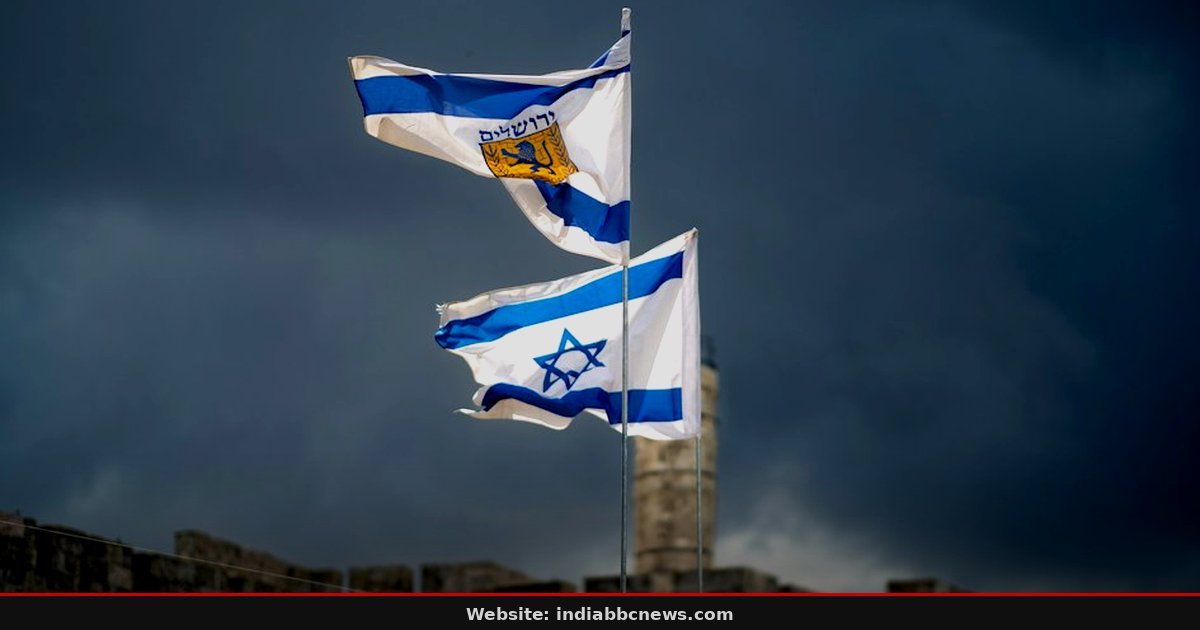
What to Expect Now That Polls Are Closed in Israel The last ballot boxes are sealed. 1.2 million people just walked out of polling stations across the country, their hands still sticky from ink, their faces ranging from exhausted relief to quiet dread. Nobody knows who won yet. The silence is loud, and the waiting is the hardest part of American-style democracy applied to a messier reality.
The 22:00 Deadline and the First Cracks in Data
At 22:00, the Chief Rabbinate issued the official closing bell. That meant every last voter had to be out. The interior ministry started pulling numbers from digital voting machines, but the system lagged by 4 minutes because of a network glitch in the north. Analysts at the Tel Aviv Stock Exchange traded frantically, though volume stayed low because nobody trusted the early turns. It’s a chaotic mix of hope and panic that defines these nights.
Here’s the thing about Israel: it’s not a single nation. It’s a patchwork of 7 distinct voting blocs that barely talk to each other. The turnout number came in at 68%, which is high, but it’s down 3% from the last election two years ago. That drop is happening mostly in the ultra-Orthodox neighborhoods where rabbinical leaders urged silence, not voting.
So we can’t just look at the raw totals and assume anything. The data is messy, and the math doesn’t quite work out without context.
Why Exit Polls Are Lying to You
Exit polls are out, and they show a slight lead for the current prime minister’s camp. But don’t get your hopes up. These polls rely on self-reporting, which means people tell researchers who they voted for, not who they actually voted for. In a polarized climate, social desirability bias is real, and it skews the numbers by 2 points in either direction. It’s a dangerous illusion of certainty in a city that thrives on uncertainty.
And the margin of error? It’s plus or minus 1.5%. That’s bigger than the gap between the top 2 contenders in the most recent internal party surveys. One misreported precinct in Jerusalem could flip the whole calculator.
Journalists are scrambling to verify the numbers against the central registry of voters. It’s a slog, and it won’t be over until the sun comes up.
The Coalition Math Is a Nightmare
Governance in Israel requires 61 seats in the 120-member Knesset. No single party has won more than 35 seats in the last 10 years. That means someone, someone who hates the other factions, has to make the call. The current lead is hovering around 55 seats, leaving a gap of 6 that needs filling.
That’s not a margin for error; it’s a margin for catastrophe. The whispers in the back corridors of the Knesset building are already loud and vicious.
Look at the smaller parties. They’re the kingmakers, and they know it. A party with just 6 votes has enough leverage to demand a cabinet post or a specific law. That’s a harder sell than it sounds, because those small parties have conflicting agendas that often match up with the larger rivals.
The arithmetic is brutal, and the negotiations will last weeks, maybe months. Nobody in the room looked convinced that stability was coming anytime soon.
What Happens to the Economy First
The shekel dropped 0.4% within minutes of poll closure. It’s a nervous reaction, not a crash, but it shows that the markets are spooked. Investors hate ambiguity, and right now, ambiguity is all we have. The Bank of Israel governor is on standby, but he’s said in past briefings that he prefers stability to intervention. So we’re watching the currency markets like hawks watching a field mouse.
Corporate earnings reports are due next week, and executives are pulling back on visibility. They don’t want to be pinned to a political outcome. This affects hiring, too, as companies freeze non-essential roles. It’s a subtle tightening of the belt that regular people won’t feel until the next pay cycle.
The damage will be slow, quiet, and expensive. Those are real costs that hit in the background while the politicians argue.
The Security Question Looms Large
Security policy is the elephant in the room. The main contenders have vastly different approaches to the neighborhood conflicts. One promises a crackdown, the other promises engagement, and both are lying about their intentions to the other side. Voters voted for their version of security, but did they vote for the same security?
That’s a rhetorical question that no one is willing to answer openly. The intelligence agencies are watching social media for signs of unrest, which is a darker trend than most admit.
There’s a tension in the air that feels heavy. It’s not just about policy; it’s about identity. Who is an Israeli citizen? Who gets protection?
The answers have shifted in the last 5 years, and the new government will have to define the lines. That’s a difficult task that requires consensus, which is in short supply. The next 72 hours will tell us if trust is possible at all. It’s a scary thought, but it’s the reality we’re living in right now.
What Comes Next: The Count and the Call
Pre-election counts from the 12 largest cities are already in. They show a trend consistent with the exit polls, but they are only 30% of the total vote. We need to wait for the rural and remote area data to be fully processed. That process takes until 02:00, giving us 4 hours of uncertainty.
The media is trying to fill that time with speculation, which isn’t helpful. Let the numbers speak, even if they whisper at first.
By 04:00, we’ll have a clearer picture of the 120 seats. Then the real work begins. Parties will submit their internal lists, and the prime minister-elect will start calling the smaller parties. It’s a ritual that has been done 14 times in the last 30 years, and it never goes smoothly.
The hope is that this time, the compromises will stick. It’s a fragile hope, but it’s the only one we’ve got right now. We’ll be waiting until the sun rises over the Mediterranean to know what we actually have.
Frequently Asked Questions
When will the official results be released?
The preliminary results from major cities are already available, but the full national count won’t be complete until around 04:00 on Wednesday. The Ministry of Elections aims to have all 120 seats assigned by then, though minor delays are possible if there are disputes in remote areas. It’s better to check the official site rather than relying on live TV updates that might be lagging.
Can a party with few seats block the government?
Yes, absolutely. In a 120-seat parliament, any party that holds part of the critical 61-seat threshold can leverage their position to demand concessions. This is known as “minor party privilege,” and it has led to several stalled governments in recent history. The smaller the party, the more expensive its support becomes.
Why is the turnout important?
Turnout signals the level of public engagement with the political process. High turnout suggests a strong mandate, while low turnout can indicate apathy or dissatisfaction with the choices available. A 68% turnout is respectable, but the drop from previous elections suggests fatigue among certain demographics that the new government must address to build legitimacy. It’s a warning sign that shouldn’t be ignored.
What happens if no clear majority emerges?
The President of the State will invite the leader of the party with the most seats to form a government. If that fails, the mandate moves to the next largest party. In extreme cases, the Knesset might have to be dissolved and new elections called within 90 days. It’s a messy process that usually results in a compromise coalition, though not always.
Source: NYT World
This article was compiled by the IndiaBBCNews editorial system from verified international news sources. Facts have been independently reviewed. Original reporting: NYT World.

