

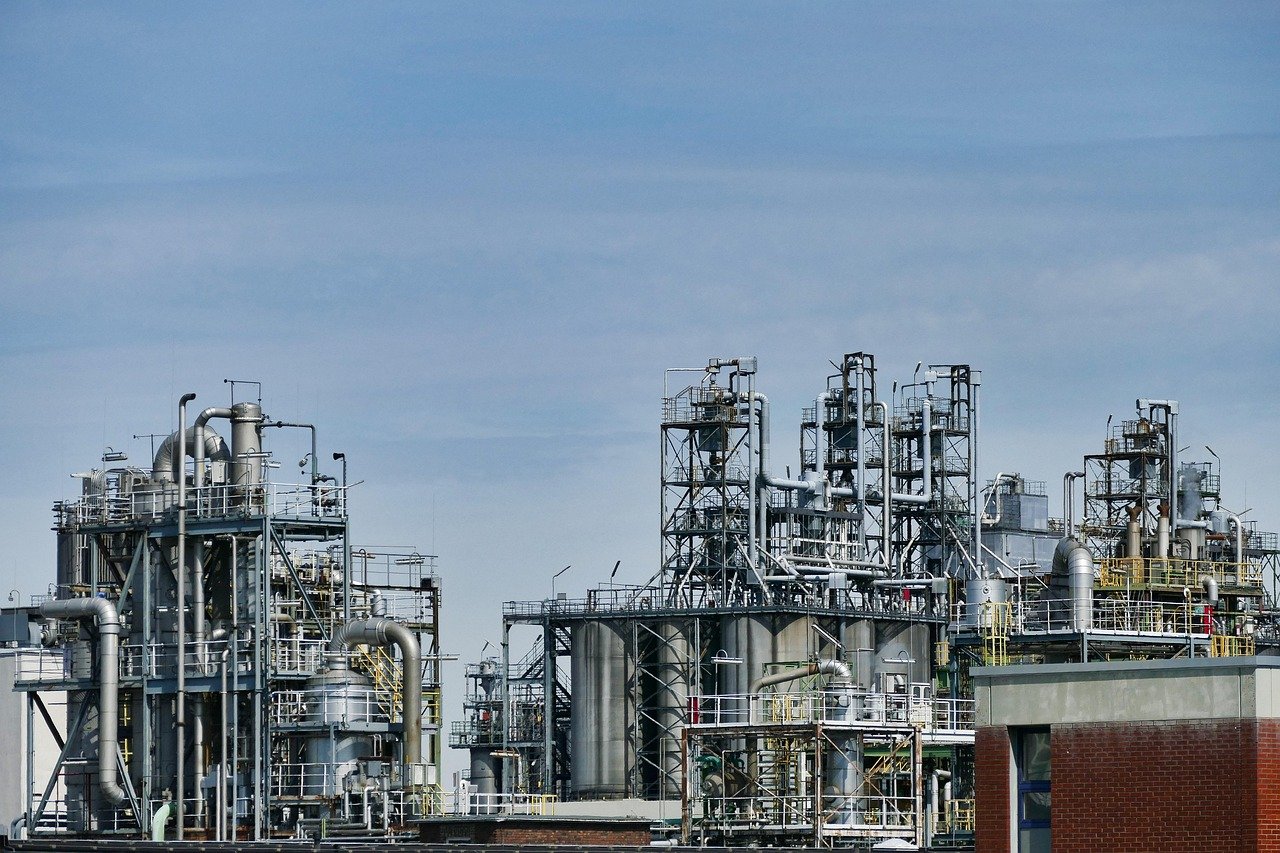
The European Union has moved to ban imports of Russian liquefied natural gas (LNG), dealing a significant blow to Moscow’s energy revenues as the bloc accelerates its push for energy independence. In response, Russia has threatened to cut pipeline gas supplies to several Balkan nations, escalating tensions over Europe’s energy security.
The EU’s 17th sanctions package, adopted in October 2026, includes new restrictions on Russian LNG shipments that have allowed Moscow to circumvent earlier oil and gas embargoes. The move targets so-called “LNG transshipments” — a loophole through which Russian gas was re-loaded at European terminals and shipped onward to third countries, generating transit fees that partially offset sanctions pressure on the Kremlin.
What Triggered the Ban
European officials say Russian LNG imports surged nearly 40% in the two years following the 2022 invasion of Ukraine, even as the EU publicly committed to weaning itself off Russian energy. Belgium, France, and Spain emerged as the largest importers, drawing criticism from eastern EU members and Ukraine. “We cannot continue funding Russia’s war machine through LNG loopholes,” European Commission President Ursula von der Leyen said in a statement.
Russia’s Threat to the Balkans
Moscow responded swiftly, with Kremlin spokesman Dmitry Peskov warning that Russia would “review” gas supply contracts with countries that comply with EU sanctions. Serbia, Hungary, and Slovakia — which remain partially dependent on Russian pipeline gas through the TurkStream route — are most exposed. Serbia receives roughly 90% of its gas from Russia. Hungarian Prime Minister Viktor Orbán, who has long opposed EU energy sanctions, called the ban “economic suicide” for Central Europe.
“Russia is using energy as a weapon — this is exactly why the EU must complete its diversification as quickly as possible,” said Kadri Simson, EU Energy Commissioner. Alternative LNG shipments from the United States, Qatar, and Norway are expected to fill part of the shortfall.
Impact on Energy Markets
European gas prices rose approximately 8% on the Amsterdam TTF benchmark following the announcement, reflecting market concerns about near-term supply disruptions. Analysts at S&P Global estimate the EU will need an additional 15–20 billion cubic metres of LNG per year to replace Russian volumes fully. The UK, which left the EU but mirrors many sanctions, also announced it would align with the new measures.
Energy experts warn that the Balkans face the most acute risk heading into winter, with stockpiles in Serbia and North Macedonia below the EU average. Emergency gas-sharing agreements are being discussed among member states to prevent a heating crisis.
What Happens Next
The ban on new Russian LNG contracts takes effect immediately, while existing long-term contracts are given a transition period of up to 12 months. The European Commission is expected to publish a contingency plan for Balkan energy security by November 2026. Russia’s state energy firm Gazprom has not yet confirmed whether it will act on the Kremlin’s threat, and diplomatic channels remain open between Brussels and Moscow on the specific question of Balkan gas supplies.
Frequently Asked Questions
Which European countries are most affected by Russia’s gas threat?
Serbia, Hungary, Slovakia, and North Macedonia are most vulnerable, as they rely heavily on Russian gas via the TurkStream pipeline. These countries have fewer alternative supply routes compared to Western European nations.
Will the LNG ban cause an energy crisis in Europe this winter?
EU officials say European gas storage is currently above 90% capacity and alternative LNG suppliers have already committed to additional deliveries. However, the Balkan region faces a tighter supply situation and may need emergency inter-country gas-sharing arrangements.
Source: Reuters, European Commission

