


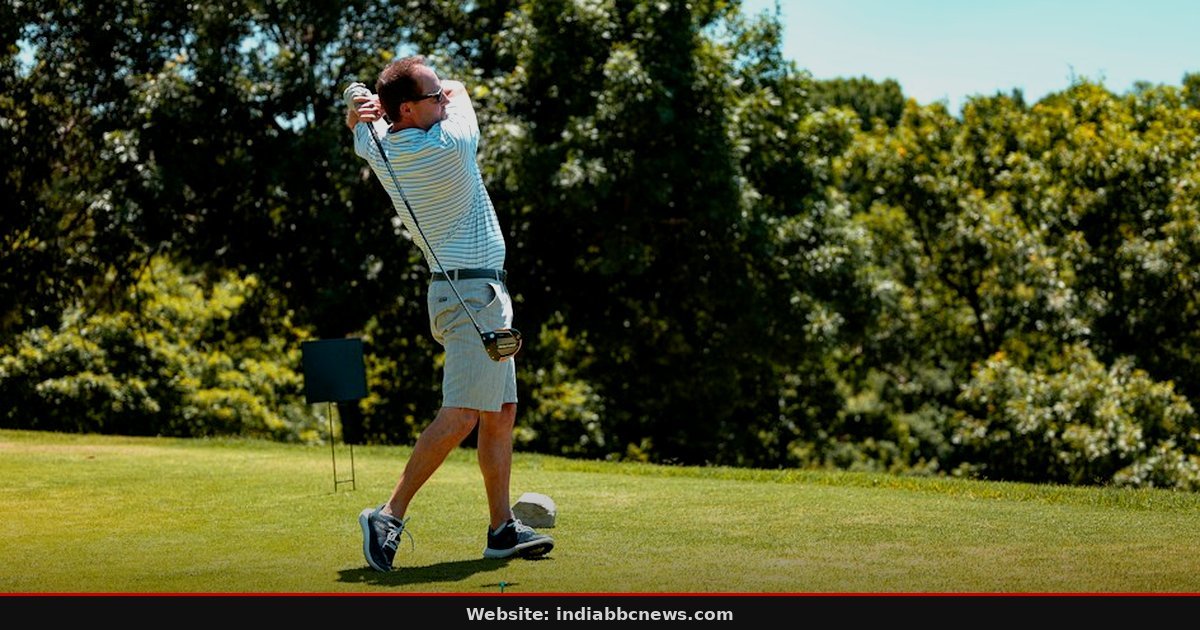
DeChambeau’s U-Turn: The End of an Era in Golf’s Fractured Landscape
Bryson DeChambeau is coming home, or at least back to the主流 circuit. The two-time US Open champion officially agreed to join the DP World Tour for the 2025 season. It’s a stunning reversal that signals the formal death knell for LIV Golf’s independence. The move was confirmed after DeChambeau met Sunday’s application deadline. He spent the last 4 years building a brand on the other side of the fence.
The Deadline That Changed Everything
The Telegraph broke the news that DeChambeau had successfully submitted his application before the weekend closed. It wasn’t a secret that his loyalty was fraying; insiders have whispered about talks for weeks. But until the paperwork hit the desk, it was just noise. The DP World Tour, which absorbed the European Tour, has been aggressively courting LIV players since the Saudi Public Investment Fund (PIF) pulled out in April.
That withdrawal was the moment the money dried up, and the ambition shattered. DeChambeau didn’t just leave; he left with his head down and his lawyers busy. He had to navigate a complex web of contracts and release clauses that kept him tied to a sinking ship. Now, that ship has stopped moving.
There is a raw, almost painful honesty in this move. He told reporters in earlier interviews that he “gave everything” to keep the tour alive. That’s a heavy burden to carry when the checkbook runs out. The deadline wasn’t arbitrary; it was the last viable entry point before the new season’s grid locked.
Missing it would have left him in limbo, playing on a tour that no longer exists in the traditional sense. He chose the path of least resistance, but it’s also the path of greatest prestige. The PGA Tour and DP World Tour are now the only two major powers left standing. And DeChambeau wanted a seat at the table that actually matters.
Why LIV’s Collapse Was Inevitable
It felt like a fight that had already been decided before the last swing. When the PIF stepped back, it wasn’t just a logistical hiccup; it was an existential crisis. The LIV model relied on massive, unwavering state funding to lure stars away from established norms. Without that infinite well of cash, the player retention rates became a nightmare.
You can’t keep 60 million-dollar contracts afloat when the bank account is empty. The tour tried to focus on a smaller, elite group, but the stars are fickle things. They follow the purse, and the purse is now back in the pockets of the traditional giants. This isn’t just a sports story; it’s a case study in how state-backed ventures struggle to sustain consumer loyalty without perpetual subsidies.
The infrastructure is there, but the soul is gone. History has a funny way of repeating itself in sports. Remember the Super League GAA in Ireland? It was backed by corporate giants, promised endless money, and collapsed within a year because the community rejected the product. Golf has its own tribal nature.
The purists didn’t just hate LIV; they ignored it. DeChambeau, for all his rebellious flair, is a product of that system. He won majors. He respects the traditional tournaments.
By joining the DP World Tour, he is aligning himself with the history, not just the paycheck. It’s a harder sell than it sounds, but it’s the only one that makes business sense. The alternative was becoming a one-man tour, playing himself. Nobody in the room looked convinced that was a viable long-term strategy.
The collapse wasn’t sudden; it was a slow bleed that finally reached the bone. For India, this shift is more than just golf gossip; it’s a signal about where the global sports money is flowing. With the DP World Tour consolidating power, opportunities for international players from emerging markets might tighten or broaden, depending on how the tour structures its new global expansion. India has seen a surge in interest in golf, particularly among the urban middle class, but the professional pathway remains difficult. The collapse of LIV removes a potential “shortcut” that some ambitious young players might have considered.
What This Means for Indian Tennis and Golf Aspirants
Previously, the promise of guaranteed high fees attracted talent who might have struggled to break into the PGA or DP World Tours. Now, that safety net is gone. Players from India, like Jyoti Randhawa or the newer crop from the Asian Development Tour, now have to compete in a more traditional, meritocratic system. It’s a tougher road, but it’s a legitimate one.
The prize money is still massive, but the gatekeeper is stricter. This matters for Indian parents asking their kids to drop out of school to chase a golf dream. The risk/reward ratio has changed drastically. You can’t just hope a Saudi-sponsored tour will pick you up; you have to grind it out on the traditional tours.
That’s a significant policy shift for any family investing in elite sports in India. It means the cost of failure is higher, and the path to success is longer and more grueling. But it also means that if you make it, it counts for something real. There’s no asterisk next to your name.
The ripple effects will be felt in the hospitality and tourism sectors linked to golf in India. With the DP World Tour being the dominant force, Indian courses will work harder to host major events to attract global players and fans. This could boost local economies in places like Goa, Karnataka, and the Delhi NCR region. But it also means that the marketing spend that LIV was pouring into new markets, including parts of Asia, may slow down.
The consolidation means fewer global players, but potentially deeper engagement with the existing fan base. For Indian broadcasters, the rights deals will likely become more expensive but more stable. The chaos of the last 4 years, with three major competing tours, made rights acquisition a minefield. Now, with a clearer hierarchy, the deal-making should simplify.
It’s a win for the industry professionals in Mumbai and New Delhi who have been shaking their heads at the fragmentation. They just want to sell airtime, and a unified tour makes that job infinitely easier. The end of LIV is the beginning of a more predictable, if less chaotic, era for global sports broadcasting. And that predictability is valuable for advertisers, which is ultimately where the money comes from.
The Player’s Dilemma: Loyalty vs. Survival
DeChambeau’s decision is a masterclass in calculated betrayal. He swore oaths. He signed contracts. He represented the brand.
And when the brand failed, he cut his losses. It’s ugly, but it’s football, or rather, golf, business. Players are assets, and assets move to where the value is highest. Critics will call him a mercenary, and they won’t be entirely wrong.
But loyalty doesn’t pay bills. The collapse of LIV left a vacuum of credibility. By joining the DP World Tour, DeChambeau is betting that his legacy as a major champion will override his history as a rebel. That’s a gamble.
The fans of the traditional tours will always remember that he chose the money first. He will walk into events with eyes on him, waiting for him to falter. But he’s Bryson. He thrives under pressure.
The nickname “Romeo” was always a distraction from his sheer willpower. He can absorb the heat. What he can’t absorb is irrelevance. And staying with a dead tour was a sure path to obscurity.
He chose the fire, even if it burns. It’s a survival instinct that has kept him on tour for a decade. Now, the stage is set for a redemption arc, if you believe in those things. I don’t, but the narrative is there if he wants it.
The next 2 years will define whether this move was a strategic masterstroke or a desperate grab at the hand that fed him. The other players are watching. Their moves will dictate the next 12 months. Will Roger McIlroy follow? Maybe, but his deal is different.
He’s closer to the heart of the system. What about the younger stars who joined LIV for the money? They have less to lose and more to gain from a fresh start. The DP World Tour is hungry for talent, but it’s also cautious.
They don’t want to flood the market with players who can’t deliver. They want winners. DeChambeau is a winner. He has the hardware.
He’s the banner they can use to lure others. “If Bryson is coming back, maybe the tour is worth a look,” is the subtext. It’s a subtle power play. By accepting DeChambeau, the DP World Tour is sending a message to the remaining LIV players: the door is open, but it’s closing.
The window for negotiation is shrinking. Every week that passes without a high-profile defection strengthens the DP World Tour’s hand. They hold the keys to the kingdom now. The players are just guests, and guests know when to leave the party before they’re asked to.
The dance of power is shifting back to the center, and DeChambeau is just the first to follow the music. The immediate next step is administrative, but the implications are strategic. The DP World Tour must integrate DeChambeau into its schedule, a process that involves complex negotiations with sponsors and broadcasters. Slots are scarce. The calendar is packed with prestigious events in Europe and the Middle East.
What Happens Next for the Tours
Adding a high-maintenance star requires reshuffling. This will likely cause friction with other top players who have established routines. The PGA Tour, meanwhile, watches with a mix of relief and apprehension. They don’t want DeChambeau, but they want to ensure the DP World Tour doesn’t become a dumping ground for LIV rejects.
They need to maintain a clear distinction between their two tours. The risk is dilution. If too many LIV players join the DP World Tour without a clear performance standard, the quality of the field drops. That’s a risk the governing bodies can’t afford.
They need the product to be elite. The next 6 months will be a test of whether the two tours can coexist without stepping on each other’s toes. The lines are blurred, but the boundaries are being redrawn in real-time. Everyone is watching to see who blinks first.
The money is on the traditional tours holding firm, but the pressure is on. The fans are ready. The players are ready. The money is ready.
The question is just who gets to play. Look at the dates. The 2025 season starts in January. DeChambeau will have to play qualifier events or accept exemption status, depending on how the integration is structured. This is a period of uncertainty for him.
He won’t know his schedule until the last minute. That’s a disadvantage for a player of his caliber. But he’s adaptable. He’s been throwing 400-yard drives on practice greens for a decade.
He can adjust. The real question is whether the DP World Tour will give him the respect he demands. He’s not a second-tier player. He’s a top 5 global talent.
If they treat him like a probationary hire, it’ll blow up. They’ll have to manage his ego, his media appearances, and his fan base carefully. It’s a delicate art. One misstep, and he’s back on the brink.
But for now, he’s in. He’s home. And the story, for all its drama, has a clear beginning, middle, and an end that nobody expected. The end of an era is always messy, but this one is particularly loud.
And it’s just getting started. LIV Golf ceased its independent operations after the Saudi Public Investment Fund withdrew its backing in April. DeChambeau stated he gave everything to keep it alive, but the financial collapse made continuation impossible. He applied to the DP World Tour to continue his career on a stable, major-sanctioned circuit.
Frequently Asked Questions
Why did Bryson DeChambeau leave LIV Golf?
When does the DP World Tour start for DeChambeau?
He will join the tour for the next season, which begins in early 2025. His specific schedule and debut event are yet to be announced, but he met the application deadline on Sunday to secure his spot. It sets a precedent that the DP World Tour is open to former LIV players. It likely pressures other LIV stars to negotiate transfers or find alternative routes, as the collapse of their tour removes their primary platform for professional play.
How does this affect other LIV Golf players?
Will the PGA Tour accept DeChambeau?
Not directly. He is joining the DP World Tour, which is a separate, though affiliated, entity. The PGA Tour and DP World Tour have an agreement that
Source: BBC Sport

