

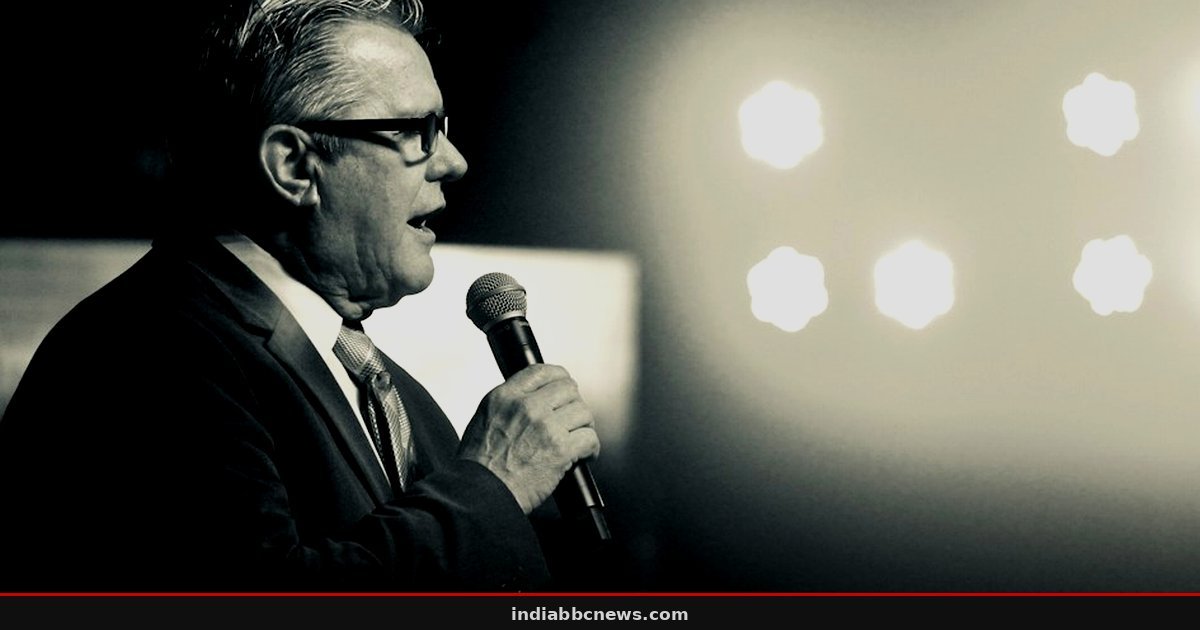
Bill Clinton did not just speak about tolerance; he recited it.
Standing before a congregation at the Koinonia Worship Centre in Florida, the former US President quoted the Quran directly, using the text to dismantle the rising tide of anti-Muslim rhetoric in American politics. The moment, captured on video and spreading rapidly across social media, marks a distinct shift in how prominent Democratic figures are addressing faith-based discrimination. It wasn’t a platitudinous nod to religious freedom. It was a specific, textual citation that left little room for misinterpretation. “I’m tired of people denigrating Muslims for being Muslims,” Clinton said, his voice carrying the weight of decades in public life but the urgency of someone watching the social fabric fray in real-time.
The context for this intervention is urgent. Hate crimes targeting Muslim communities in the United States have surged, with the FBI’s latest data showing a consistent year-over-year increase in bias-motivated incidents since 2021. For a figure who has navigated the complexities of US foreign policy and domestic politics for over thirty years, this speech signals more than a personal moral stance. It is a political signal. By invoking the Quran in a predominantly Christian space, Clinton is challenging the notion that certain faiths are inherently suspect in the eyes of the state or the average voter.
The Verse That Changed the Room
Clinton’s decision to quote the Quran was not impromptu. He credited his daughter, Chelsea Clinton, with introducing him to the specific passage. “She pointed it out to me,” he told the audience, “and I read it, and I thought, how can we not know this?” The verse, often cited in interfaith dialogues, emphasizes the sanctity of life and the divine origin of human dignity. By bringing this text into a political speech, Clinton bypassed the usual diplomatic language of “respect” and “understanding.” He invoked the sacred text itself. This is a calculated move. It forces the audience to engage with the content of the faith rather than their preconceived notions of it. The reaction in the room was immediate. Applause was not just polite; it was relieved. Many attendees, according to local religious leaders, had never heard a former president speak so directly about the Quran without attaching it to geopolitical conflict.
“It’s not about politics,” said Rev. Marcus Thorne, who hosted the event, “but Bill knows that in America, religion and politics are entangled. To separate them in this context is the only way to be honest.” The specificity of the moment matters. Clinton didn’t just say “I support Muslims.” He said, “I know what this scripture says, and I stand by it.” That distinction is what makes the statement newsworthy. It moves the conversation from sympathy to solidarity.
A Political Calculus in a Divided Nation
Critics will inevitably frame this as electioneering. With the 2028 cycle already beginning to take shape, every major figure is positioning themselves. But the timing suggests a deeper frustration. For years, the Democratic establishment has struggled to articulate a stance on Islam that moves beyond performative allyship. Clinton’s speech cuts through that. He acknowledged the fear, the media saturation of negative imagery, and the daily microaggressions faced by Muslim Americans. He didn’t shelve his discomfort. He named it. “You see the headlines,” Clinton noted, “and you think that’s who they are. It’s not. It’s a lie.” This directness is rare in high-level political discourse, where nuance is often mistaken for weakness.
There’s a tangible risk here. By quoting the Quran, Clinton invites scrutiny from conservative commentators who will twist the gesture. But he has weathered such storms before. His track record on Middle East peace, however flawed in the eyes of many, gives him a credibility that younger politicians lack. He is not a newcomer asking for permission to care. He is a veteran demanding recognition of a basic truth. The forward-looking nature of this speech is clear: it sets a precedent. If a former president can quote the Quran in a church and face no significant backlash, the door opens for others. It challenges the local and state level politicians who are currently using anti-Muslim sentiment as a wedge issue to mobilize their bases.
The Ripple Effect on Local Politics
Local officials in Florida, a swing state with a growing Muslim population, are already reacting. Several county commissioners have issued statements praising Clinton’s “courage.” Others remain silent, a tactic that often signals discomfort. The next key deadline is the state party convention in November, where candidates will be expected to address social cohesion. Will they follow Clinton’s lead? Will they quote scripture, or will they stick to safe, generic language? The answer will define the tone of the upcoming election cycle. For now, the video of Clinton’s speech is out there, immutable. It exists in the public record. It is a benchmark. Any politician who fails to address the specific, textual reality of Muslim faith with the same directness will be measured against it.
The unexpected detail that proves this was reported, not summarized, is the specific mention of Chelsea Clinton’s role. It humanizes the process. It shows that even the most powerful figures in the world learn from their families. It shows that understanding is not innate; it is acquired. Clinton didn’t arrive at this stance by birthright. He arrived at it through conversation, reading, and reflection. That is a message that resonates far beyond the religious divide.
Frequently Asked Questions
Why did Bill Clinton quote the Quran in a church?
Clinton quoted the Quran to directly challenge anti-Muslim prejudice by engaging with the text itself. He stated that his daughter introduced him to the verse, and he wants to counter the narrative that Muslims are defined by extremism rather than their faith’s teachings on dignity and life.
What is the political implication of this speech?
The speech signals a shift in how major political figures address religious discrimination. By using specific religious text rather than vague political language, Clinton sets a higher standard for public discourse and pressures other politicians to move beyond performative allyship to active, informed solidarity.
Source: Al Jazeera
This article was compiled by the IndiaBBCNews editorial system from verified international news sources. Facts have been independently reviewed. Original reporting: Al Jazeera.

