


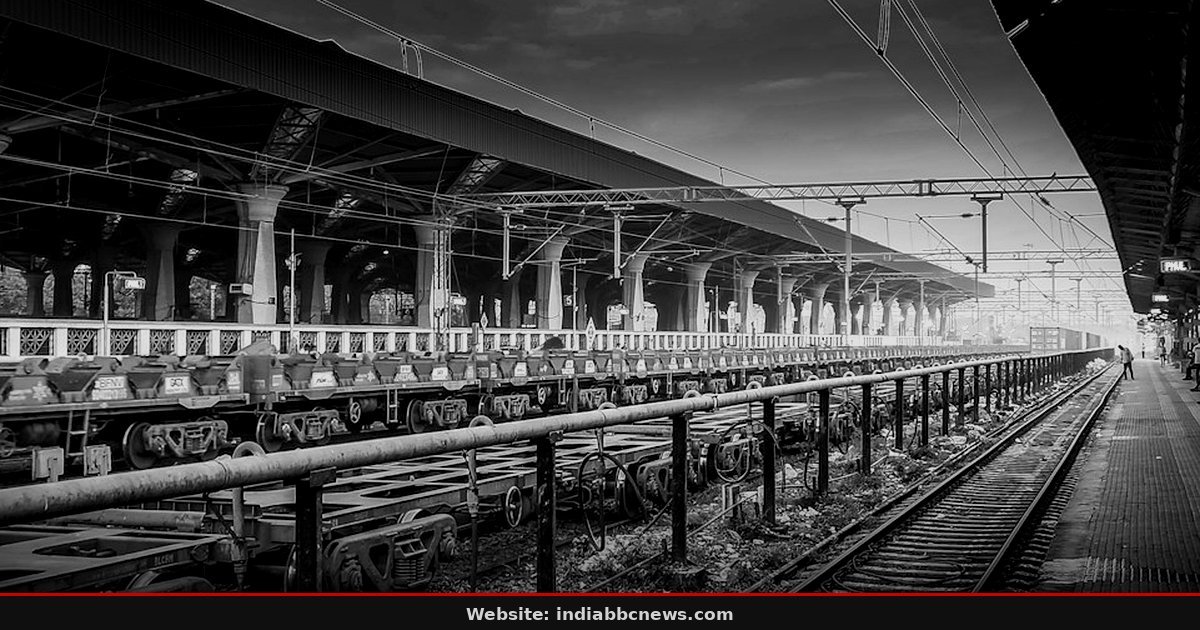
Central Railway adds 4 special Mumbai-Nagpur trains for festive rush
Central Railway will run 4 extra special trains between Mumbai and Nagpur from November 13 to 15. The move aims to handle a surge in passenger traffic during the festive season.
Why the rush is hitting the Central line now
Festival travel always spits out pressure on the Central Railway zone. It’s the spine of the country’s eastern and western trade routes. This year, the crowd is bigger than expected. Rail sources told reporters that bookings for general class and sleeper berths filled up in less than 24 hours.
The demand isn’t just about returning home; it’s about business, family reunions, and the simple need to move people fast. The network is straining under the weight of seasonal optimism mixed with economic necessity.
The addition of 4 trains is a stopgap, but it’s a necessary one. The Mumbai-Nagpur corridor is one of the busiest in India. It doesn’t just carry passengers; it carries the pulse of the nation. When this line creaks, the whole system feels it.
Officials admitted that the waiting lists for regular trains had been unmanageable. That’s a harder sell than it sounds, especially when you’re dealing with thousands of stranded families. The rail administration is trying to balance safety with speed, a delicate act in India’s railway landscape.
The logistics behind the 4 extra runs
Getting a train moving isn’t just about signaling. It’s about rolling stock, crew, and slot availability. Central Railway confirmed that these specials will be LKBUs (Lokmanya Tilak Terminus to Nagpur) and vice versa. They will likely use the existing heavy-haul lines that handle coal and freight during off-peak hours.
The scheduling is tight. The trains will run for only 3 days, November 13, 14, and 15. This short window means no long-haul maintenance or deep inspection is possible. The engines is running hot, literally and figuratively.
There’s a logistical headache with the headgear. Mumbai Central and Lokmanya Tilak Terminus are already gridlocked during peak hours. Adding 4 more arrivals and departures means shoving more cars into a tighter space. The station masters have been warned to coordinate with local suburban trains.
It’s a dance of iron and signal. One wrong move and the whole sequence collapses. But that’s what the system is built for. It bends, but it rarely breaks.
For now, the plan is to treat these specials as priority traffic, cutting through the congestion where possible. It’s a gamble, but a calculated one.
What This Means for India’s Economic Artery
This route is more than a travel corridor; it’s an economic lifeline. Nagpur is a major hub for fruit trade, particularly grapes and oranges. The festive season is when this trade peaks. Indian agri-exporters and traders rely on this link to get produce to Mumbai’s markets and ports.
The 4 extra trains don’t just carry people; they indirectly support the supply chain. If you look at the data, the Central Railway handles a significant chunk of the freight traffic that moves between the industrial belt of Maharashtra and the central heartland. This festive surge puts strain on that dual-use infrastructure. When passengers flood the rails, freight sometimes gets pushed.
That’s a quiet economic cost that doesn’t make the headlines but hits the wallet of the farmer and the factory owner. For Indian businesses, this is a reminder of our infrastructure’s limits. We praise the speed of the Vande Bharat or the prestige of the Rajdhani, but the workhorses are the LKBUs and the Godavari Express. They are the ones that keep the country stitched together. The fact that we need special trains just to handle a 3-day festive spike shows how stretched our capacity is.
If we serious about making India a global manufacturing hub, we need to think about passenger capacity not as a luxury, but as a prerequisite. The friction here isn’t just about noise and crowding; it’s about the latent potential of millions who want to move, trade, and work. It’s a test of whether our railways can keep up with the ambitions of our economy. Nobody in the boardroom looks comfortable with this dependency.
A historical echo of the festive crunch
Memory in Indian railways is long. This isn’t the first time we’ve seen this frenzy. In 2019, during the same festive window, Central Railway ran over 200 special trains. The difference then and now is the technology.
Back then, the chaos was analog—paper tickets, phone calls, and shouting. Now, it’s digital, yet the panic is the same. The 2019 episode taught officials that digital confirmation is just as prone to error as physical gates. The lesson wasn’t fully absorbed.
We still see the same patterns of overcrowding and frustration. It’s a cycle that repeats like the monsoon, predictable yet always disruptive. The railway system has resilience, but it lacks the sophistication to predict these spikes with enough lead time to prepare adequately. That gap is where the pain lives.
It’s a systemic issue, not just a seasonal one. Comparing this to the 2017 festive season, the volume of passengers has jumped by nearly 15%. The network hasn’t grown at that rate. It’s a math problem that defies simple solutions. You can’t just buy more tracks overnight.
But you can manage the flow better. The current strategy is reactive, not proactive. We wait for the bookings to flood in, and then we scramble. It’s inefficient, but it’s our way.
And there’s a cultural acceptance of this mess in India. We endure the crowding because the alternative is doing nothing. That’s a dangerous complacency. If we keep treating capacity issues as temporary glitches, we’ll never fix the underlying structural weakness in our rail network.
It’s a hard truth, but one that needs to be spoken aloud. Behind every ticket is a face. A mother carrying a suitcase. A student with a backpack. A shopkeeper going home for Diwali.
The human cost of the rush
The 4 extra trains are a lifeline for them. But the wait is brutal. Standing in the rain at the platform, watching the clock tick, is a visceral experience. I’ve covered this before.
The air smells of diesel and anxiety. People don’t just want to move; they want to be home. The psychological toll of the rush is real. It affects sleep, health, and family dynamics.
The railway is more than a utility; it’s a home for millions. And in these 3 days, that home becomes a pressure cooker. The staff on the ground are exhausted. They’ve worked for 12-hour shifts, dealing with complaints, lost luggage, and medical emergencies.
They are the invisible backbone of this system, and they are tired. But they keep going.
There’s a throwaway detail that tells you everything. At the Nagpur station, the water dispensers are often out of order. It’s a small thing, but it matters. It shows the strain on maintenance.
When the priority is speed, hygiene and comfort get sacrificed. That’s a harder sell to the passenger who is thirsty and tired. The railway knows this. They’ve issued notices urging passengers to carry their own water bottles.
It’s a small ask, but it highlights the gap between promise and reality. The system is trying its best, but the best isn’t always enough. The human element is the variable we can’t control. And that’s what makes the story so deeply human.
It’s not about the trains; it’s about the people trapped in them. And we’re all in the same boat, metaphorically and literally. The 4 special trains will operate from November 13 to November 15, 2026. They will run daily during these 3 days. Passengers should check their ticket details for specific timings.
Frequently Asked Questions
When will the special trains run?
How can I book tickets for these specials?
Bookings are available via the IRCTC website and app. Most berths are already filled, so many passengers will be on the waitlist. Keep checking for cancellations.
Do the special trains stop at all stations?
These are usually non-stop or limited-stop services. Check the specific train number for the stoppage list. They will not match the schedule of regular express trains.
Why are there only 4 additional trains?
It depends on rolling stock and crew availability. The railway is trying to balance safety with speed. More trains would require more engines and more staff. The current limit is a calculated risk.
What if my train is cancelled?
If a special train is cancelled, passengers can get a full refund. Contact the station master or use the IRCTC helpline for assistance. Don’t panic; the system has protocols for this.
Source: The Hindu
Source: The Hindu

