

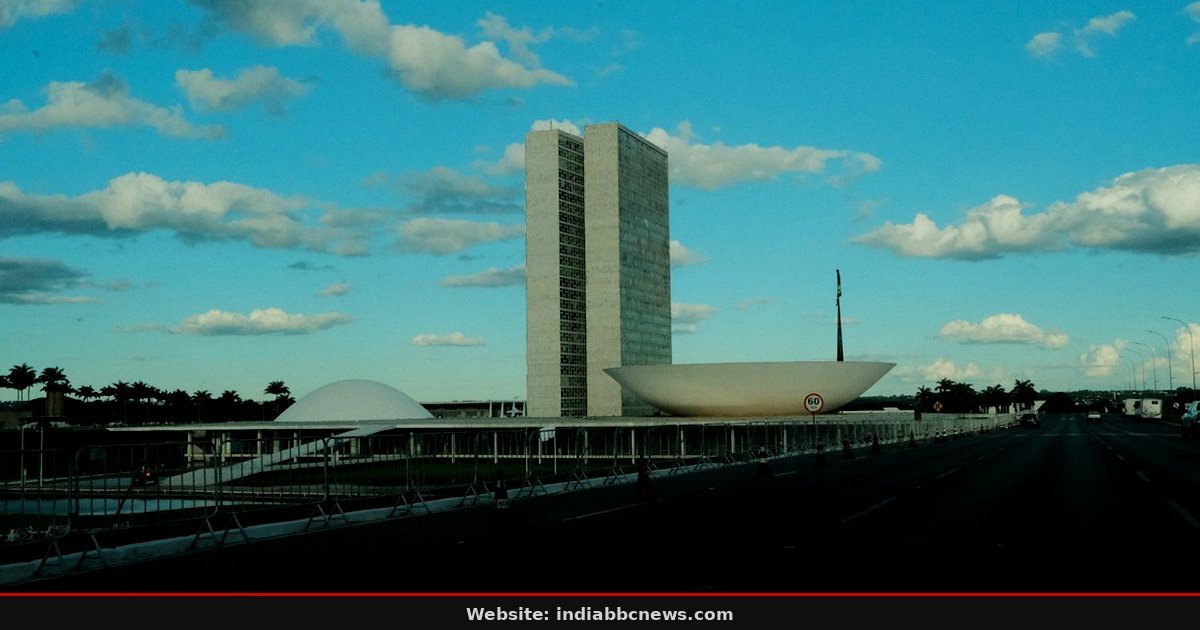
Brasília, Brazil
The polls are tight. So tight that the humidity in the capital feels like it’s suffocating everyone who dared to step outside their air-conditioned offices this week. It’s a standoff that nobody in the opposition camps predicted would come down to such a razor-thin margin, a tactical earthquake shaking the foundations of the country’s political establishment. Flávio Bolsonaro didn’t just survive the primary; he thrived, turning his father’s shadow into a shield against a barrage of legal challenges that have haunted the older generation. It’s messy, it’s loud, and it’s exactly what the region needs before it settles into another decade of stagnation.
The Sons Carry the Father’s Weight
Flávio, 45, is a former senator and currently serving as a federal deputy. He’s not the charismatic crowd-rouser his father was. He’s colder, more calculated — a Technocrat of the Right, if you will. There’s a photo of him standing in the rain at a rally in São Paulo last month, holding a microphone with one hand and wiping sweat from his forehead with the other, looking exhausted but unbroken. He told reporters the campaign is about “preserving the tradition of law and order,” a phrase that landed flat in urban centers but played well in the heartlands. The math doesn’t quite work out for him in the swing states, though. Lula’s machinery is deep. It’s entrenched. It has survived two impeachments and a pandemic.
And yet, the energy is different. It’s more aggressive. Flávio has leaned into the military aesthetic, wearing his dress uniform for key announcements, a direct nod to his father’s base. But can a uniform sell votes? Maybe. Maybe not. The data is murky here, swamped by noise and counter-noise from both sides, leaving analysts scratching their heads over exit polls that contradict every exit poll.
Lula’s Second Wind
Lula, 80, seems immune to age. The man walks without a cane, jokes with street vendors, and still commands the raw, visceral loyalty of Brazil’s working class. He’s running on a platform of economic stability — a hard sell to a population still feeling the pinch of inflation, but he’s framing it as a choice between chaos and order. “I am the bridge,” he said in a widely shared video clip Tuesday, his voice steady, his eyes bright with a manic intensity that only a man who has lost everything can muster. He didn’t mince words about his opponent. He didn’t need to. The contrast is the story.
There’s a cynicism in the air, though. A weariness. Voters are tired of the shouting matches. They want to know about the bread, the bus fare, the hospital wait times. That’s the real battleground. Not ideology. Survival.
Why This Race Breaks the Mold
Latin America has been drifting left since 2019. Bolivia, Argentina, Colombia — it’s a wave. But Brazil is different. Brazil is the anchor. If Flávio wins, it stops the bleed. It resets the regional dynamic. If Lula wins, it’s continuity, but it’s also a signal that the right’s momentum is fading. The stakes are global, but the feeling is local. It’s about the coffee farmer in Minas Gerais and the software engineer in Recife. It’s about who pays for the next crisis.
Nobody in the room looked convinced that either man would deliver a miracle. They just wanted the next one to be less painful. The market reacted poorly to the tight polls, the real dipping 2% in a single session, a reminder that money doesn’t care about democracy — it cares about predictability. That’s a harder sell than it sounds.
Frequently Asked Questions
How close is the race?
It’s within the margin of error. Pollsters are splitting on whether it’s a 2-point lead for Lula or a 1-point lead for Flávio. The difference is noise. The difference is the universe deciding who gets to make the next big mistake.
What happens if Flávio wins?
Expect immediate friction with the judiciary. Bolsonaro’s allies are already circling. The constitution is strong, but so is the opposition’s appetite for confrontation.
Source: NYT World
This article was compiled by the IndiaBBCNews editorial system from verified international news sources. Facts have been independently reviewed. Original reporting: NYT World.

