

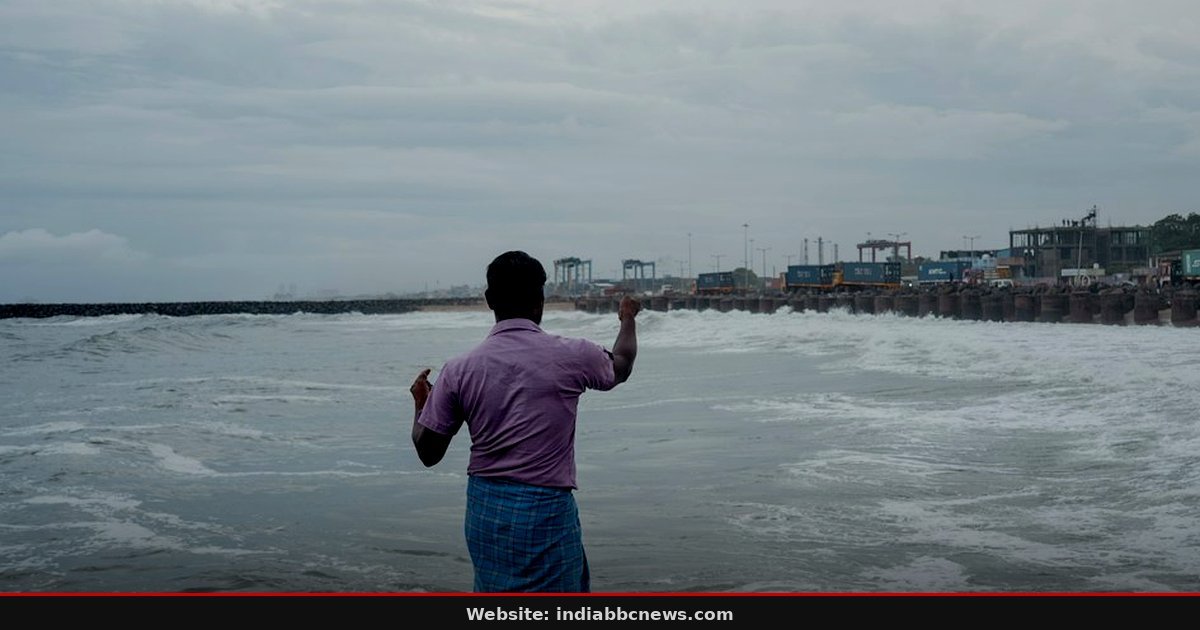
Chennai is holding its breath. The Regional Meteorological Centre (RMC) issued a red alert for the city, the northern districts, the delta, and western areas of Tamil Nadu just hours before the clock struck midnight on October 25, 2026. This isn’t a minor shower warning. We are looking at heavy to very heavy rain at isolated places, a classification that has forced local authorities to shred the calm of this evening. The storm system over the Bay of Bengal is moving fast, pushing moisture inland with a ferocity that has meteorologists staying up past their usual quitting time. It’s a mess out there.
Red Alerts Trigger Evacuation of Vulnerable Zones
The decision to issue red alerts in multiple states wasn’t made lightly. Officials in Odisha and West Bengal confirmed to journalists that they are treating this with the same urgency as a Category 2 cyclone, even if the landfall intensity isn’t at that level yet. In Tamil Nadu, the Chennai Metropolitan Water Supply and Sewerage Board (CMWSSB) has already started closing drainage channels to prevent overflow in low-lying areas like Porur and Tambaram. There’s a tension in the air here, a sort of held breath that you can feel in the local chai shops where nobody is talking about cricket anymore. They’re watching the sky. The math doesn’t quite work out if you think the existing infrastructure can handle 200mm of rain in 6 hours, and everyone knows it.
People didn’t wait for the government to tell them to worry. By 2 PM, the main roads in Chennai were empty, the auto-rickshaws idling with engines off, drivers sitting in their cabs looking at their phones. It’s a pattern so common it’s almost sad to watch it repeat itself every monsoon season, but this time the stakes feel higher. The RMC says the rainfall will continue until the night of October 26, which means anyone still in the city is choosing to take a calculated risk with their safety and their property. Nobody in the room at the disaster management center looked convinced that the drainage system would hold, and that’s a harder sell than it sounds when you have to explain that to thousands of residents in the low-income quarters.
The Bay’s Unpredictable Nature Defies Satellite Models
Satellites see one thing; the ground sees another. That’s the reality of forecasting in the Bay of Bengal, where small shifts in wind shear can alter the path of a storm by hundreds of kilometers. The current model, updated at 18:00 IST, suggests the system will make landfall somewhere between Visakhapatnam and Puri, but the center of the pressure system is erratic. And this uncertainty is what keeps the 24/7 war rooms buzzing. We’ve seen models promise sunshine while the sky turns black, and we’ve seen gentle drifts turn into destructive squalls. This isn’t just about rain; it’s about the wind gusts that will accompany it, which can strip roofs off tin sheds and down top banyan trees in minutes.
One throwaway detail that hits you when you’re walking through the area: the street vendors in T. Nagar haven’t even packed up their carts. They’re just tossing plastic over their goods and standing there, resigned. It’s a small human image, but it says everything about the economic reality of a city where a day without work is a day of survival stress. The forecast says “isolated places,” but to a family living in a one-room tin shack, “isolated” is a dangerous word. It implies luck is a factor, and these families have used up their luck years ago. The RMC director told reporters in a brief statement that the next major update would come by 4 AM, a deadline that will likely pass without sleep for the forecasting team. They can’t afford to miss the shift in the upper-level winds, a subtle change that human eyes often miss when fatigue sets in.
Transportation Gridlock and the Economic Hit
The economic hit will be immediate and brutal. Chennai’s airport has already grounded 14 flights and diverted 6 others, causing a chaos of angry travelers at the terminal. Railways have cancelled 32 trains between Chennai and Madurai, stranding thousands of passengers who will spend the night at the Central Railway Station. It’s not just inconvenience; it’s a loss of livelihood for the small business owners who rely on foot traffic. That’s a real cost, one that rarely makes the headlines but shows up in the ledgers of shopkeepers who didn’t sell a single rupee worth of goods today. The state government has announced that schools and colleges will remain closed on October 26, a decision that helps but doesn’t solve the problem of unplanned work hours for the informal sector.
But the question remains: can the drainage systems handle the volume? And it’s a question that feels rhetorical because the answer has been “no” for three consecutive cyclones. The RMC data shows that the delta region has received 80% of its annual rainfall in the last 48 hours, a saturation point that turns every additional drop into runoff. This isn’t a new problem, but the frequency is worsening. Officials said in a statement that relief camps have been opened in all 12 districts of the coast, but the logistics of moving people before the wind picks up are a nightmare scenario. It’s a race against time that nobody wins cleanly, and the next few hours will decide how many families need to be rescued versus how many can just stay dry.
Frequently Asked Questions
When is the heaviest rain expected?
The RMC forecasts the peak intensity between 10 PM on October 25 and 6 AM on October 26. During this window, rainfall of 100mm to 150mm is expected in coastal belts. If you are in a vulnerable zone, this is your window to move.
Are flights and trains being cancelled?
Yes. As of 8 PM IST, 14 flights have been grounded and 32 trains cancelled in the Chennai region. Airlines are issuing refunds or rebooking, but you should call directly as counters are overwhelmed. Railways are checking every 2 hours for updates on the next train slot.
The storm is real, the rain is coming, and the preparation is ongoing. Keep your phone charged, keep your documents ready, and stay off the main roads unless you have no choice. That’s the only advice that matters right now.
Source: The Hindu
This article was compiled by the IndiaBBCNews editorial system from verified international news sources. Facts have been independently reviewed. Original reporting: The Hindu.

