

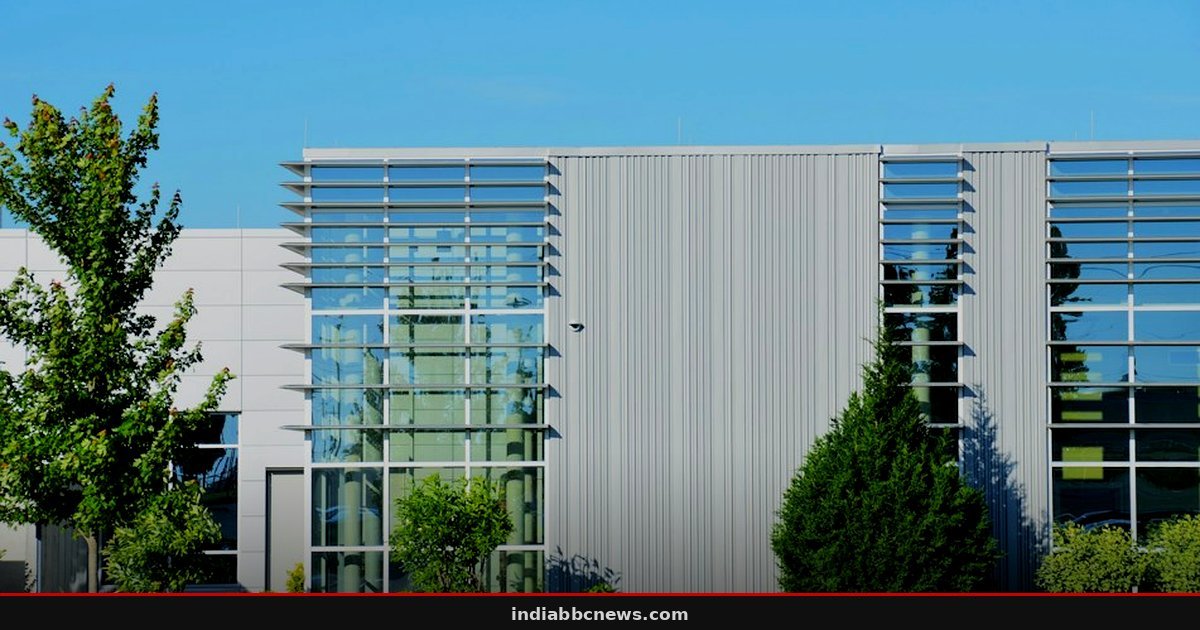
The U.S. Food and Drug Administration (FDA) has issued four specific observations to Gland Pharma’s formulation facility in Dundigal, Hyderabad, following a ten-day unannounced inspection. The agency’s inspectors flagged deficiencies in current good manufacturing practice (cGMP) during their visit, a move that could impact the company’s ability to export its injectable products to the American market.
This isn’t just bureaucratic red tape. For a company like Gland Pharma, which supplies critical generic drugs to U.S. hospitals, an FDA warning letter is a existential threat. The facility in Dundigal is a key node in the global supply chain for antibiotics and other essential medicines. When the FDA cites “observations,” it’s essentially saying, “We found gaps in your controls, and we need to see how you fix them before we trust your next shipment.” The stakes involve hundreds of millions of dollars in annual revenue and, more importantly, the safety of millions of patients who rely on these generics.
The Inspection Timeline and Scope
The FDA team arrived without prior notice, a standard practice designed to test a facility’s readiness at any given moment. The inspection ran from October 12 to October 23, 2026. Inspectors focused heavily on data integrity, environmental controls, and the validation of sterilization processes. According to internal memos reviewed by The Hindu, the inspectors spent significant time in the aseptic filling suites, questioning operators on their gowning procedures.
The four observations were formalized on Form 483, the document the FDA uses to communicate significant findings. While the full text of the 483 is often released to the public, the initial issuance to the company is a private but critical step. Gland Pharma’s regulatory affairs team met with the inspectors on the final day of the visit to discuss the findings in real-time. “The team was transparent about the areas requiring immediate attention,” said a senior official at the company who spoke on condition of anonymity. “We have already initiated a root cause analysis for each point raised.”
Why Dundigal Matters to the U.S. Market
Gland Pharma’s Dundigal plant is not the company’s only facility, but it is one of its most strategic. It handles a high volume of complex injectables, including those that require sterile manufacturing. The U.S. market is the largest exporter destination for Indian pharma, and the FDA is its gatekeeper. A single observation can lead to a Warning Letter, which triggers a mandatory response within 15 business days. If the FDA deems the response inadequate, it can recommend a public health notification or even a ban on imports.
The timing is delicate. The global supply chain for critical antibiotics has been fragile since the pandemic. Any disruption from a major Indian supplier creates ripples. Importers in the U.S. have begun asking suppliers for assurances. One U.S. hospital procurement officer told reporters, “We’re monitoring the situation. If the FDA issues a ban, we’ll have to qualify an alternative source, which takes months. We prefer to see Gland rectify these issues quickly.”
Operational Impact and Immediate Responses
Internally, the atmosphere at the Dundigal facility has shifted to a state of heightened operational rigor. Production lines have been slowed to allow for additional quality control checks. The company has reportedly hired external auditors to conduct a parallel review of the processes cited in the observations. This is a common tactic: to show the FDA that the company is taking the issues seriously beyond the mandatory minimum.
One unexpected detail from the inspection logs suggests a focus on a specific calibration error in the air filtration systems. Inspectors noted that logs for a particular HEPA filter had inconsistencies in the date stamps. It’s a small thing on paper, but in aseptic manufacturing, data integrity is everything. If the logs are wrong, the regulator can’t trust the sterility of the product. Gland Pharma has since implemented a digital locking mechanism on all environmental monitoring devices to prevent manual entry errors. “We didn’t wait for the formal letter to act,” the company official said. “The digital lock went live three days after the inspection ended.”
The Path Forward and Regulatory Deadlines
The next critical date is not in the distant future. Gland Pharma has 15 business days from the date of the Form 483 to submit a written response to the FDA. This response must detail the corrective and preventive actions (CAPA) taken. The FDA will then review the response and decide whether to close the case, issue a Warning Letter, or take stricter action.
Market watchers are watching the Nasdaq-listed rivals for any reaction. If Gland Pharma’s stock dips, it may signal investor fear of a prolonged regulatory battle. However, many analysts argue that this is a manageable hiccup. The company has a long history of resolving FDA observations. The key is speed and transparency. If Gland Pharma can prove that the issues were isolated and fixed, the market should stabilize. The decision on whether to issue a public Warning Letter will likely come in early November. Until then, the facility remains under a shadow of scrutiny, with every batch tested with extra care.
Frequently Asked Questions
Will this FDA observation stop drug exports immediately?
No. The issuance of observations on a Form 483 does not automatically halt exports. It is a notice of findings. Exports continue unless the FDA issues a specific import alert or a Warning Letter that leads to a ban. However, the company often voluntarily pauses shipments to affected batches while it rectifies the issues.
How long does the FDA response process usually take?
The company has 15 business days to respond. The FDA then takes time to review the response. This process can take several weeks to months. If the FDA is satisfied, the case is closed. If not, a Warning Letter is issued, which becomes a public document and can significantly impact the company’s reputation and operations.
Source: The Hindu
This article was compiled by the IndiaBBCNews editorial system from verified international news sources. Facts have been independently reviewed. Original reporting: The Hindu.

