

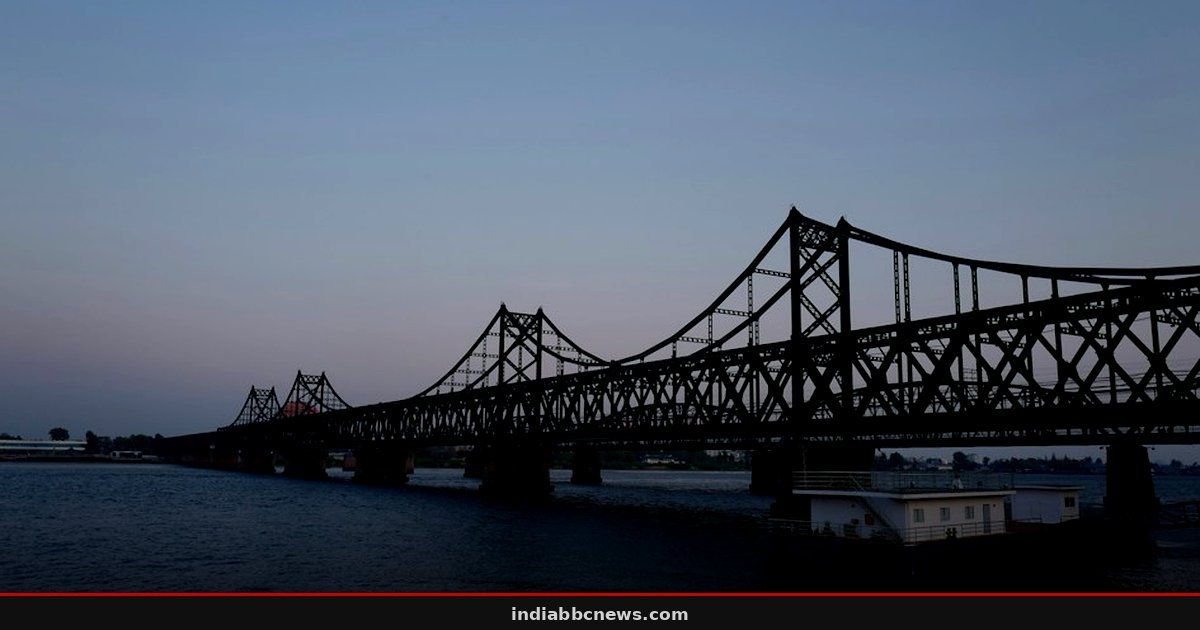
Kim Jong-un crossed into China on Thursday, stepping off a military train at the newly inaugurated Sino-Korean Friendship Bridge, a move that defied expectations of a quiet, low-profile diplomatic trip.
The surprise visit to Beijing, confirmed by South Korean intelligence officials who told reporters the Supreme Leader arrived before dawn, signals a dramatic shift in Pyongyang’s posture toward its most critical patron. It wasn’t just a border crossing. It was a statement. The bridge, which replaced a decades-old structure destroyed by floods in 2013, now serves as the primary artery for North Korea’s economic lifeline and a symbolic tether to Chinese power.
The Bridge That Changed the Calculus
For years, the old bridge was a bottleneck. Narrow, congested, and structurally fragile, it limited the volume of goods and people moving between the two nations. The new span, completed in 2024, is wider and designed to handle heavy freight and passenger rail traffic simultaneously. But its opening wasn’t just an infrastructure project. It was a geopolitical signal that Pyongyang was aligning more tightly with Beijing in a world where US-China tensions are at a historic high.
Officials in Seoul noted that the timing of Kim’s arrival was not accidental. It coincides with a period of intensified sanctions evasion and a desperate need for Chinese energy and food imports. “The infrastructure is ready,” said a senior analyst at the Korea Institute for Defense Analyses, “and so is the political will to use it.” The train Kim boarded was reportedly loaded with high-value exports, including rare earth minerals, a commodity Beijing relies on for its own tech manufacturing sector.
Behind the Closed Doors in Beijing
Kim met with President Xi Jinping at the Great Hall of the People, a venue chosen for its symbolic weight. The two leaders reportedly spent over four hours in private talks, a duration that suggests deep, complex negotiations rather than a brief courtesy call. South Korean sources indicate that the agenda included not just trade, but security guarantees and potential joint military exercises.
One detail caught the attention of observers: Kim was seen wearing a dark, tailored suit rather than his usual military fatigues. It was a subtle but deliberate departure from his standard image, suggesting a desire to present himself as a head of state engaged in normal diplomatic relations, not just a military commander. “He wanted to be seen as a player at the table, not a supplicant,” said a former diplomat who has covered the region for two decades. The shift in attire mirrors a broader effort by Pyongyang to modernize its diplomatic optics while retaining its nuclear leverage.
Inside the talks, the focus was reportedly on a new framework for cross-border cooperation that would bypass existing sanctions mechanisms. China has long resisted full compliance with US-led sanctions, arguing they harm legitimate trade. This meeting may have solidified a more formalized, if still covert, system of transactions that benefits both economies.
The Ripple Effects in Washington and Seoul
The White House did not immediately comment on the visit, but a senior administration official told reporters the meeting was “not a surprise” given the diplomatic thaw between Beijing and Pyongyang. However, the speed of the crossing and the high-level nature of the talks have raised eyebrows in Seoul, where officials are already grappling with a volatile security environment on the peninsula.
South Korea’s National Intelligence Service (NIS) issued a brief statement confirming the visit, emphasizing that the agency is “monitoring the situation closely.” The message was clear: this is not a routine exchange. It’s a strategic realignment. For Seoul, the challenge is balancing its alliance with the US against the economic and security realities of a North Korea that is increasingly integrated into China’s sphere of influence.
The visit also complicates US efforts to isolate Pyongyang. Washington has pushed for a unified front with allies to contain North Korean proliferation. But if Beijing and Pyongyang are coordinating on security and trade, the US strategy faces a significant hurdle. “You can’t contain a country that’s deeply embedded in its largest neighbor’s economy,” said Dr. Peter D. Feaver, a former White House National Security Council official. “That’s the reality we’re dealing with now.”
What Comes Next for the Peninsula
The next major diplomatic test is scheduled for late June, when the US and South Korea are set to hold joint military drills near the contested demilitarized zone. Pyongyang has historically used these exercises as a pretext for missile tests or nuclear threats. With Kim’s visit to China fresh in the minds of regional leaders, the question is whether Pyongyang will use the strengthened tie to Beijing as a shield against US pressure, or as a lever to demand concessions.
We can expect a more pronounced North Korean presence in international forums in the coming months. The new bridge is more than a path for trains. It’s a conduit for influence. And Kim Jong-un just crossed it, not as a guest, but as a partner in a new, more complex geopolitical arrangement.
Frequently Asked Questions
Why did Kim Jong-un take a train to China instead of a plane?
Rail travel is a standard method for high-level North Korean officials traveling to China, offering greater control over security and avoiding the diplomatic complications of using foreign airports. The new Sino-Korean Friendship Bridge allows for a direct, high-speed rail connection, making the journey faster and more logistically efficient for a leader of his status.
How does this visit affect US-North Korea relations?
The visit likely deepens the divide between Pyongyang and Washington. By strengthening ties with China, Kim Jong-un reduces his dependence on the US and limits the effectiveness of American sanctions. This makes diplomatic engagement with the US less likely in the short term, as North Korea feels more secure with its Chinese backing.
Source: Times of India – Top Stories
This article was compiled by the IndiaBBCNews editorial system from verified international news sources. Facts have been independently reviewed. Original reporting: Times of India – Top Stories.

