

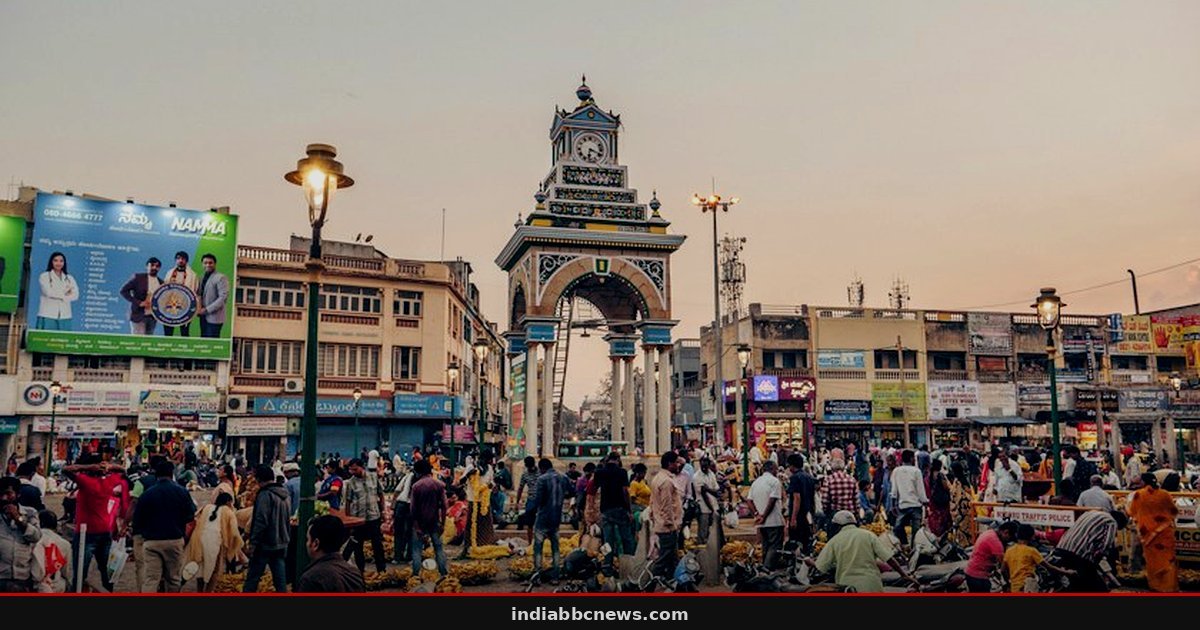
Mysuru will soon have a dedicated, government-subsidized zone for its legendary street food vendors. The city has been selected as one of 17 locations nationwide for the PM SVANidhi Street Food Hub scheme, a move that officially ends the decades-long informal status of hawkers who have fed the city’s population from roadside stalls and narrow lanes.
The decision, announced by the Union Ministry of Housing and Urban Affairs (MoHUA), places Mysuru alongside other major urban centers in a targeted push to formalize the informal economy. The initiative isn’t just about moving people; it’s a structured attempt to solve three persistent problems: lack of permanent shelter, inconsistent food safety standards, and the absence of proper sanitation for customers. For a city that prides itself on cultural heritage, integrating its culinary identity into official urban planning is a strategic shift with tangible economic implications.
A Specific Blueprint for Informal Vendors
The scheme isn’t a blank check. It provides a standardized framework. According to the MoHUA guidelines, the hubs are designed to be self-sustaining micro-zones. They will include covered stalls, centralized waste management systems, and dedicated parking spaces for customers. The financial structure is equally specific: the central government covers up to 50% of the capital expenditure for infrastructure, with the state government and local municipal bodies chipping in the remaining share.
Why does this matter for the average vendor? It offers a rare form of economic security. For years, street vendors in India have operated in a legal gray area, vulnerable to eviction notices and seasonal changes. Now, they have a defined location and a lease-like arrangement that protects their livelihood. The Ministry confirmed that priority will be given to existing vendors who have been operating in the area for at least two years, ensuring the benefit reaches those most dependent on the trade.
“This is not about putting them in a box,” said a senior official from the Karnataka state urban development department, speaking to reporters in Bengaluru. “It’s about giving them a fixed address. When you have a fixed address, you can get a bank loan. You can register a business. You become visible to the economy.”
Hygiene and the Trust Deficit
Beyond the economics, the health angle is critical. Food safety in unorganized sectors has always been a gamble for consumers. The new hubs mandate strict hygiene protocols, including mandatory vaccination for handlers, regular health checks, and standardized water filtration systems installed at the hub level.
The selection of Mysuru is particularly interesting because of its reputation. The city is a tourist magnet, and street food is a primary draw for visitors. However, previous complaints regarding hygiene and waste disposal have lingered in travel forums and local media reports. This initiative aims to close that gap. By centralizing operations, the municipal authorities can monitor quality more effectively than they could with scattered, mobile stalls. It’s a trade-off: vendors lose the mobility to chase foot traffic, but they gain a steady, regulated customer base that trusts the setup.
Local food inspectors, who have long struggled to enforce standards on moving targets, are cautiously optimistic. One inspector, who asked not to be named due to protocol, noted that the fixed infrastructure allows for “predictable enforcement.” You can’t inspect a cart that’s already moved down the street. But you can inspect a stall with a license plate and a health certificate on the wall.
Logistics and the Ground Reality
The rollout, however, won’t be seamless. The challenge now is logistical. MoHUA has set a deadline for the identification of specific sites within the city. These sites must be accessible, have adequate water and electricity connections, and not disrupt existing traffic flow. In a city like Mysuru, where narrow lanes are a defining feature of the old town, finding space that meets all these criteria is a complex puzzle.
There is also the social dimension. Street vendors form tight-knit communities. Displacing them, even to a “better” location, can fracture these networks. The government has promised consultation sessions with vendor associations before finalizing the sites. Whether these consultations will be meaningful or merely procedural remains to be seen. Past experiences with urban renewal projects in India suggest that bottom-up input is often an afterthought.
One unexpected detail emerged from the initial planning documents: the hubs are being designed with “digital payment integration” in mind. This suggests an effort to push street vendors into the formal financial system, reducing cash handling and creating a digital trail of transactions. For many vendors, this is a step they’ve resisted for years, fearing taxation. The government argues that the SVANidhi scheme itself offers tax relief and subsidy benefits that far outweigh the compliance costs.
What Happens Next
The next critical deadline is 60 days from the announcement. By then, the Mysuru Municipal Corporation must submit a detailed project report (DPR) to the state government. This report will include the selected site map, estimated costs, and a timeline for construction. Once approved, the central government will release the first tranche of funds.
The real test will be in the execution. Will the hubs be built on time? Will the vendors actually move? And will the hygiene standards hold up under the pressure of a busy tourist season? These are the questions that will determine if this scheme is a genuine lifeline or just another bureaucratic checkbox. For now, the vendors are waiting. The city is watching. The answer will come in the next few months, when the first concrete is poured and the first stall is set up.
Frequently Asked Questions
Who is eligible to apply for a stall in the PM SVANidhi Street Food Hub in Mysuru?
Eligibility is primarily aimed at existing street food vendors. The MoHUA guidelines specify that vendors who have been operating in the identified area for a minimum of two years will receive priority. Applicants must provide proof of their trading history, which could include tax challans, bank statements, or affidavits from local community leaders. New entrants may be considered if there is remaining capacity, but the scheme is explicitly designed to regularize the existing informal workforce rather than create new jobs from scratch.
Will the government cover the cost of the stall infrastructure for vendors?
The central government subsidizes up to 50% of the capital expenditure for the hub’s infrastructure, which includes the physical structure, utilities, and common facilities. However, vendors are not entirely off the hook. They are typically required to contribute a small portion towards the installation of their specific stall or pay a nominal monthly maintenance charge to the managing authority. The exact financial split for individual vendors will be detailed in the final project report submitted by the Mysuru Municipal Corporation.
Source: The Hindu
This article was compiled by the IndiaBBCNews editorial system from verified international news sources. Facts have been independently reviewed. Original reporting: The Hindu.

