


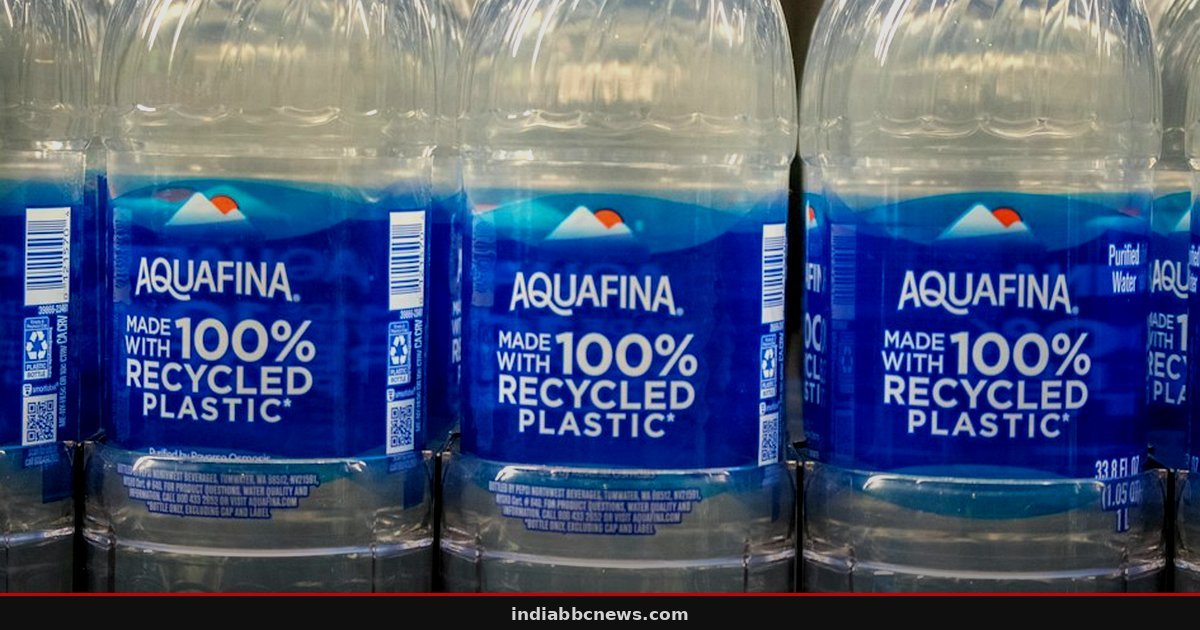
9 litres. That is the exact volume of bottled water every person in the United Kingdom is now being told to hoard.
The Cabinet Office has launched the “Be Ready” campaign, explicitly urging households to stockpile enough food and water to survive 72 hours of total disruption. It is a stark shift in tone for Westminster, moving from vague resilience rhetoric to specific, measurable commands for the average kitchen cupboard. The guidance is blunt: if the grid goes down, the shops close, and the water stops flowing, you are on your own.
Three Days, Nine Litres, and the Cash in the Drawer
Minister Dan Jarvis framed the initiative as “simple steps,” yet the specifics cut deeper than that. Beyond the water, the advice includes keeping blankets, a first-aid kit, a wind-up radio, and—crucially—physical cash. In a world where buying a loaf of bread requires a digital handshake with a bank server, cash is the only currency that doesn’t need a power outlet.
Jarvis told reporters that those who can follow the advice “should follow this advice.” He framed it not as paranoia, but as basic hygiene for national survival. The goal is to align the UK with its continental neighbors. France, Ireland, and the Netherlands have long advised their citizens on 72-hour survival kits. Britain is late to the party, dragged there by a series of recent infrastructural stumbles.
The Ghost of Storm Goretti
Why now? The timing is not accidental. It lands just as winter storm season approaches, a season that has become increasingly violent. Remember January’s Storm Goretti? Winds nearly 100mph ripped through the Midlands, the South West, and Wales. Tens of thousands of homes sat in the dark for days. The memory is still fresh, the bills still being paid.
But the threats extend beyond wind and rain. Officials point to the “super El Niño” phenomenon, which could make 2027 the hottest year on record. That isn’t just a weather forecast; it is a threat to global food chains and energy systems. When the heat spikes, crops fail. When crops fail, panic sets in. The government wants you stocked up before the panic starts.
When the Servers Go Dark
The digital fragility of modern life was highlighted this week when 32 UK government websites were forcibly taken offline. It was a precautionary measure after a security vulnerability was discovered in the PHP programming language. The National Cyber Security Centre blasted 50,000 alerts to affected organizations. It was a rare, visible crack in the digital shield.
Think about that number. 50,000 alerts. In a single week. It reminds us how thin the ice is. In April 2025, Spain and Portugal lost power for hours in a cascading failure triggered by voltage instability. Fifty-five million people were affected. It was the worst blackout in Europe in recent memory. If a voltage wobble can knock out two nations, what happens when a hostile state pulls the plug intentionally?
Telford, Tanks, and “State-Sponsored Terrorism”
Wes Streeting, the defence secretary, made the connection explicit during a visit to a new Rheinmetall tank gun barrel factory in Telford, West Midlands. The photo op was striking: Streeting standing beside Gen Sir Roly Walker, surrounded by the heavy machinery of rearmament. But his words were aimed at the living room, not the battlefield.
“Terms like hybrid warfare and grey zone threats do not accurately capture… what I prefer to describe as state-sponsored terrorism,” Streeting said. He rejected the academic jargon. He wants the public to understand that the threat is real, and it is here. Russian spy ships have been tracked by the Royal Navy monitoring undersea cables. In August, an explosives-laden drone was found next to a Ukrainian cargo plane at Germany’s Leipzig airport. These are not hypothetical scenarios. They are the edge of a knife being pressed against the continent’s infrastructure.
The Next Move
The immediate next step is an advertising blitz. Expect to see the Be Ready message on social media feeds and radio waves in the coming weeks. The government is pushing for behavioral change before the next storm hits. There is no vote to watch, no deadline to meet, just a quiet, persistent nudge to go to the supermarket. Buy the tinned food. Buy the water. Keep the cash. The decision is no longer whether to prepare, but how much of your cupboard you are willing to dedicate to the worst-case scenario.
Frequently Asked Questions
How much food do I actually need to buy?
The guidance specifies three days’ worth of food per person. This should include non-perishable items that require no cooking or minimal prep. Tinned goods, dried pasta, and biscuits are the standard recommendations. The goal is sustenance, not gourmet meals. If you have allergies, plan accordingly, but the volume target remains 72 hours of caloric intake.
Is this a sign of an imminent attack?
No. Officials have been clear that this is about resilience against a range of scenarios, from natural disasters to cyber-attacks. Dan Jarvis described it as preparation for “everyday emergencies.” The intent is to reduce societal shock if a disruption occurs, not to signal that a specific threat is on the immediate horizon.
Source: Guardian World

