

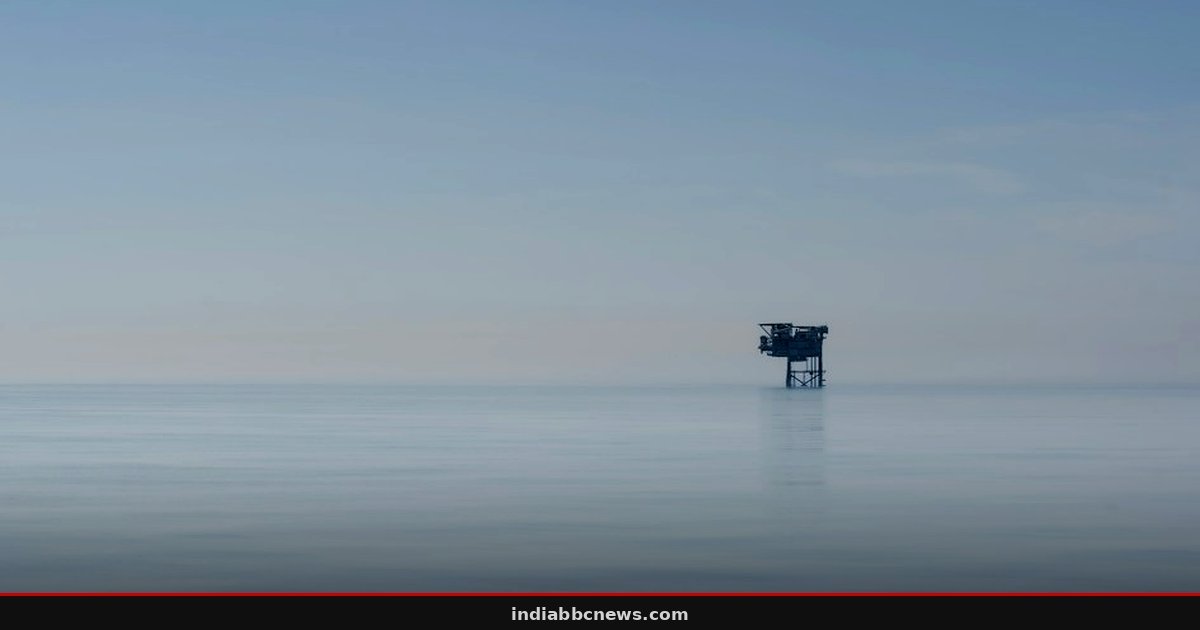
The UK government has officially approved the Jackdaw gasfield in the North Sea, granting Shell permission to begin supplying gas to British homes and businesses by the end of this month.
The decision, announced by Energy Secretary Miatta Fahnbulleh, resolves a months-long standoff between the Labour administration and major energy firms. While the government maintains the move supports immediate energy security, it directly contradicts the party’s 2024 election manifesto promise to ban new drilling licences, creating a significant rift within the Labour Party and with environmental advocates.
Political Timing
The approval was delayed until after the October 8 by-election in Holborn and St Pancras, where Labour successfully defended its seat against a Green Party challenge. Officials indicated the timing was strategic, allowing the government to secure a political win before facing the scrutiny of a new drilling permit. The field is operated by Shell, which has lobbied heavily for the green light throughout the summer.
Key Details
Jackdaw is one of two major projects awaiting environmental consent, the other being the Rosebank oilfield operated by Equinor. Both companies had their initial approvals rescinded after a court ruling required them to account for the carbon emissions generated by burning the extracted fuel. The companies resubmitted their applications earlier this year, arguing that the projects are compatible with the UK’s net-zero targets if managed correctly. The government stated that Jackdaw will provide homegrown gas to minimise reliance on imported, higher-emission fuels during the winter transition period.
Energy Secretary Miatta Fahnbulleh stated that the decision is “compatible with our legally binding climate commitments.” She emphasised that the project relies on skilled North Sea workers and will help secure the nation’s energy supply while the UK continues its shift toward renewables and nuclear power.
Impact on Economy and Climate
The economic stakes are high, with the Adura joint venture between Shell and Equinor commissioning a report this week. The report claims that rejecting both Jackdaw and Rosebank would cost the UK economy nearly £10.8bn over the next decade. However, environmental group Uplift disputes the scale of the benefit, noting that Jackdaw will supply only 2% of the UK’s gas demand for roughly 10 years. Tessa Khan, executive director of Uplift, argued that the field will be largely unmanned and operated remotely, meaning it will not prevent the overall decline in North Sea jobs.
The political fallout is already visible in polling data. A Savanta poll for the climate group E3G shows that nearly a third of voters are less likely to support Labour if it approves more North Sea drilling. This includes almost a third of previous Labour voters and half of those aged 18 to 24. Zack Polanski, leader of the Green Party, labelled the decision “climate vandalism,” accusing the government of abandoning its credibility in the fight against climate change.
What Happens Next
Shell is set to begin gas production from Jackdaw at the end of the month, with supplies reaching the national grid shortly thereafter. The government has stated that a decision on the separate Rosebank project is still pending and will be considered on its own merits. Labour MPs in constituencies with strong Green Party challenges may face internal pressure to distance themselves from the decision in the coming months.
Frequently Asked Questions
Will the Jackdaw gasfield lower energy bills?
The government argues that securing domestic gas supply will help minimise reliance on imported fuels, potentially stabilising prices. However, the Energy Secretary has acknowledged that the project will not make a significant difference to individual household energy bills in the short term.
Does this violate Labour’s election manifesto?
Labour’s 2024 manifesto committed to a ban on new drilling licences, but the government is granting environmental approval for existing licences. The administration maintains that this distinction allows them to honour their pledge against new exploration while supporting current energy security needs.
Source: Guardian World
This article was compiled by the IndiaBBCNews editorial system from verified international news sources. Facts have been independently reviewed. Original reporting: Guardian World.

