

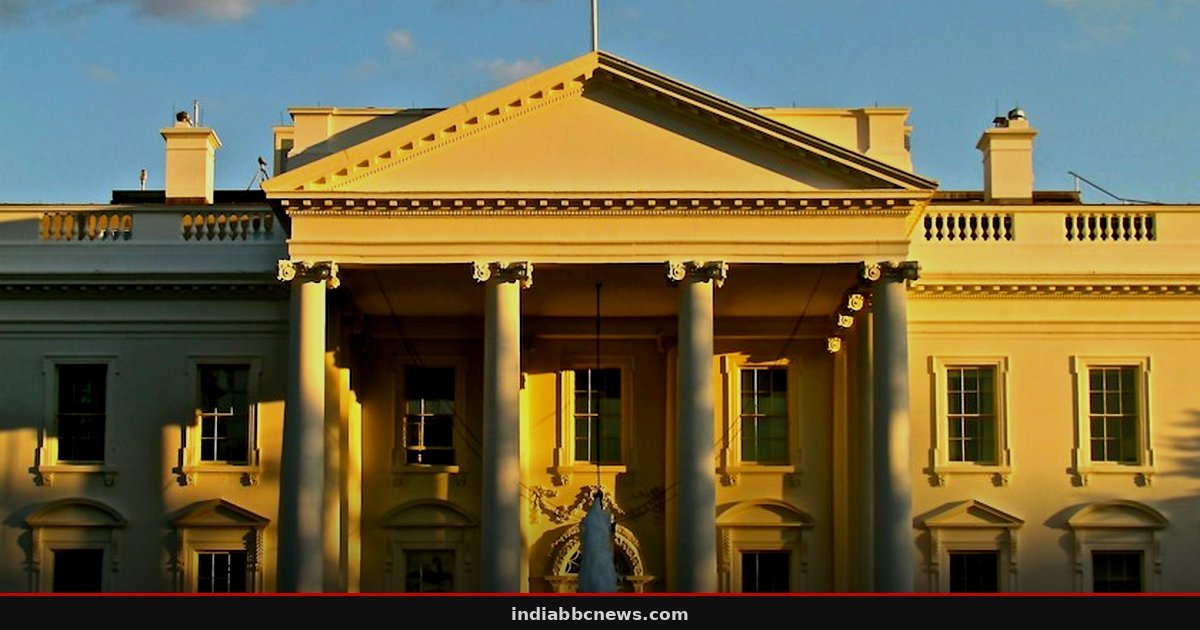
President Donald Trump declared on Tuesday, October 20, 2026, that the upcoming trade agreement between the United States and India will be “much different” from previous frameworks, signaling a major shift in bilateral economic policy.
Speaking to reporters at the Oval Office, the President stated that the two nations are “pretty close” to finalizing a deal that restructures tariff rates and market access. This announcement follows months of intense negotiations and comes at a critical juncture for global supply chains, where India seeks to position itself as a primary manufacturing alternative to China while the U.S. aims to reduce its trade deficit.
Background / What Led Here
The current diplomatic push stems from a series of high-level summits held in 2025, where both governments agreed to prioritize economic security over traditional free-trade models. According to officials in the U.S. Department of Commerce, the previous tariff structures were deemed unsustainable due to shifting geopolitical dynamics. Indian Prime Minister Narendra Modi’s administration has consistently pushed for reciprocal market access, particularly in the aerospace and defense sectors.
Key Details
Trump’s remarks on October 20 marked the first public confirmation that a deal is imminent, though specific terms remain under strict confidentiality. The proposed agreement reportedly includes a phased reduction in tariffs on Indian textiles and pharmaceuticals, contingent on India lowering barriers for U.S. agricultural exports. Data from the Office of the U.S. Trade Representative suggests that current bilateral trade stands at approximately $190 billion, with a significant imbalance favoring U.S. imports. The new framework is expected to introduce stricter intellectual property protections and digital trade rules that were absent in earlier drafts.
“We are not signing a paper that just looks good on a shelf,” a senior White House trade advisor told reporters outside the briefing room, emphasizing the operational nature of the new pact. The advisor noted that enforcement mechanisms would be embedded directly into the text, allowing for automatic tariff adjustments if either party fails to meet quota obligations.
Impact / What It Means
For Indian exporters, the deal represents a potential lifeline for sectors facing pressure from domestic competition and global price wars. The textile industry, which employs over 10 million people, could see a 15-20% increase in U.S. market share if the proposed tariff reductions are implemented. However, Indian agricultural producers may face increased competition from subsidized U.S. corn and soybean exports, a concern highlighted by the National Farmers’ Federation in recent policy briefs.
On a broader scale, the agreement sets a precedent for how the U.S. will engage with emerging economies in the post-China era. By linking trade benefits to strategic alignment and security cooperation, Washington is establishing a template that other nations in the Indo-Pacific region may be expected to follow. Analysts at the Council on Foreign Relations argue that this approach effectively merges trade policy with foreign policy, creating a more rigid but potentially more stable economic alliance.
What Happens Next
Negotiators from both countries are scheduled to meet in Geneva on November 5, 2026, to finalize the technical annexes of the agreement. The U.S. Congress will need to review the deal under the Trade Promotion Authority, a process that could take several weeks. If signed, the agreement is expected to take effect in early 2027, subject to ratification by both legislative bodies.
Frequently Asked Questions
When will the India-US trade deal be signed?
President Trump indicated on October 20, 2026, that the deal is “pretty close,” with final technical discussions scheduled for November 5 in Geneva. The formal signing is anticipated in late 2026 or early 2027, pending congressional review.
How will this deal affect Indian farmers?
The agreement reportedly includes provisions for increased U.S. agricultural exports to India, which could intensify competition for local farmers. Indian agricultural bodies have expressed concern over the impact on domestic prices for commodities like wheat and rice.
Source: The Hindu
This article was compiled by the IndiaBBCNews editorial system from verified international news sources. Facts have been independently reviewed. Original reporting: The Hindu.

