


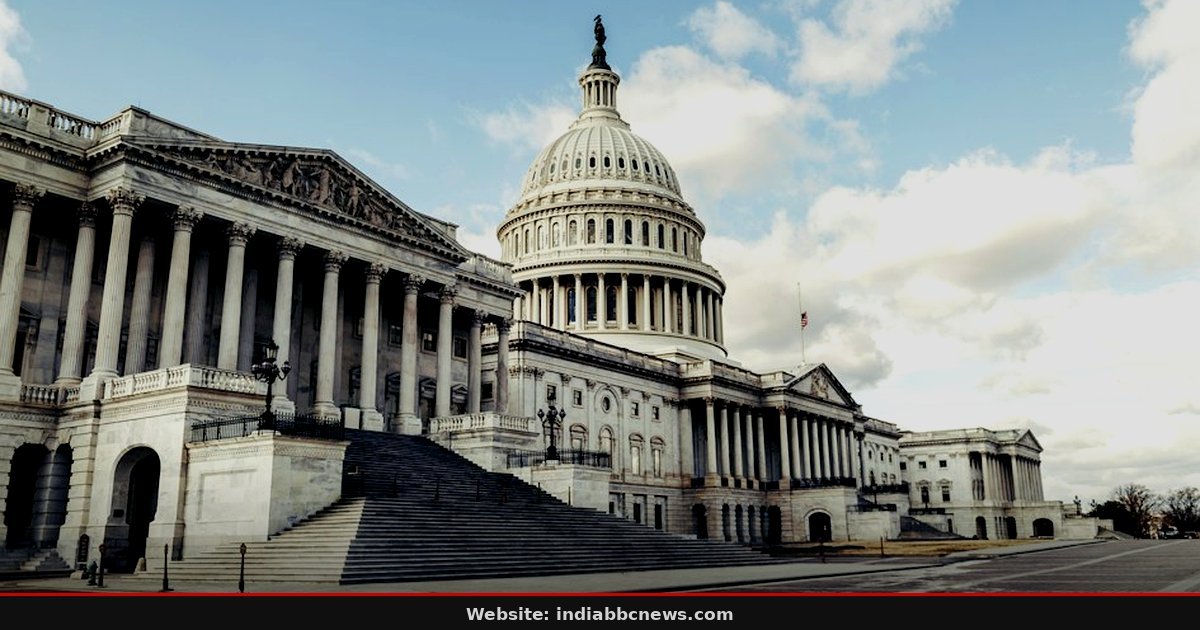
Washington Bleeds: DOJ Resignations Signal Post-Midterm Purge
The resignations landed on a Friday morning, quiet but devastating. Three senior officials at the US Justice Department walked out after the midterm elections, leaving Attorney General Todd Blanche with a cabinet and fewer hands to manage the fallout of a Republican defeat that stung worse than anyone predicted, a fact he didn’t hide in his terse announcement. Harmeet Dhillon, the Assistant Attorney General for Civil Rights, had been a target for months.
The Civil Rights Chief Who Stayed Until the Vote
She submitted her resignation in October, long before the ink dried on the ballots, but agreed to stay put until the election was over—a detail that speaks to a weird, bureaucratic loyalty or perhaps just a lack of better options available to her at that specific moment in time when the dust was still settling and the air in D.C. felt thick with impending changes that no one wanted to name out loud. Her role was contentious, as she had pushed for voter registration lists from 30 states, a move critics called an overreach and supporters called necessary security. Now she’s gone, and with her, the last line of institutional memory regarding that turbulent election cycle has been severed, leaving only court records and angry tweets to document what actually happened in those final weeks before the polls opened.
The Prosecutor Who Had Trump’s Enemies in Crosshairs
Jason Reding Quinones, the US attorney for the Southern District of Florida, is also out. He oversaw the investigation into former intelligence officials whom Trump accused of a conspiracy to remove him from power, a case that had the potential to explode into a constitutional crisis but instead fizzled out into a quiet administrative dismissal that left legal scholars scratching their heads and wondering about the limits of executive power when the accuser is also the accused in the eyes of his own party base who never really wanted the probe in the first place. His exit removes the primary legal hurdle in that specific investigation, effectively clearing the deck for whatever comes next, whether that means a renewed push or a total burial of the files in a drawer marked “Do Not Open” within the DOJ’s vast and cluttered filing system where secrets go to die a slow and bureaucratic death.
John Eisenberg, the Assistant Attorney General for National Security, has also resigned, a third high-profile loss that suggests this isn’t just about one bad day at the office but a coordinated exit strategy by those who wanted no part of the coming chaos. It’s a pattern that mirrors the post-2016 exodus, but this time the resignations are coming from the top, not the bottom, and the difference in scale is stark and visible to anyone paying attention to the personnel changes. Todd Blanche, a former personal lawyer for Trump, accepted these resignations with a gravity that seemed performative.
Why Trump’s Legal Team Is Rebuilding Now
He’s known for being loyal, but the timing is suspicious, right after the Republicans took a beating in the midterms, which raises the question of whether he’s consolidating power or simply removing obstacles that are no longer useful to the White House’s current strategic goals in a landscape that has shifted dramatically in just a few short weeks. The Justice Department under Trump has indicted figures like James Comey, and now the prosecutors who might have brought similar cases against Trump’s allies are gone, a move that legal experts say could insulate the president from future legal scrutiny in the immediate term but creates a war chest of legal challenges for the opposition to exploit in courtrooms across the country. Nobody in the room looked convinced that this was a clean break, and the whispers in the halls of the Justice Department building suggest that the purge is far from over, with more names being discussed in low voices during coffee breaks that last longer than usual and end with people staring at their phones and hoping for a DM that changes their career path forever.
What This Means for India
This reshuffling in Washington doesn’t just ripple through European markets; it hits the US market, which India is deeply integrated with through IT services and portfolio investment. If the US legal system is seen as politicized, it creates a headwind for Indian tech firms operating in the US, as regulatory risk becomes a factor in investor confidence, and the uncertainty could push capital toward safer havens or force Indian companies to diversify their risk mitigation strategies in a way that costs them millions in compliance and legal fees that don’t show up on the balance sheet but bleed into quarterly earnings reports that confuse retail investors who are just trying to grow their wealth. Furthermore, the diplomatic friction that often accompanies US domestic turmoil can affect visa policies and H-1B approvals, which are critical for the Indian diaspora and the outsourcing sector that has become a pillar of the Indian economy in recent years and continues to employ millions of young graduates who are betting their futures on the stability of American bureaucracy.
Indian policymakers are watching this closely, because a unstable US legal environment makes it harder to negotiate trade deals or secure cooperative frameworks on cybersecurity and data privacy, topics that are becoming increasingly central to India’s digital economy and its ambitions to become a global hub for technology and innovation in the next decade. The resignations at the DOJ are likely the first wave, not the last. Historically, major election losses trigger a review of all political appointees, and with the Democrats holding the majority in one chamber, the pressure to purge perceived loyalists will be intense, leading to a chaotic period where key positions sit vacant or are filled by temporary acting officials who lack the authority to make long-term decisions on critical national security or legal matters that require continuity and institutional knowledge.
The Next Domino: Watch the FBI and State Dept
Watch for announcements from the FBI and the State Department in the next 30 days. If those follow, it signals a full-scale restructuring of the administration’s legal and diplomatic wings, a move that will dominate the news cycle and force both parties to define their stances on the integrity of US institutions in a way that will impact international relations and domestic trust in the government’s ability to enforce the law fairly and impartially without political bias. Harmeet Dhillon was the Assistant Attorney General for Civil Rights and resigned after pushing for voter registration lists from 30 states before the midterms. Her departure was accepted by Attorney General Todd Blanche following the election.
Frequently Asked Questions
Who was Harmeet Dhillon and why did she resign?
What is the connection between these resignations and the midterm elections?
The resignations came after the Republican Party suffered defeats in the midterms, leading to a reshuffling of political appointees who may no longer fit the administration’s new political reality. It’s a standard but aggressive post-election cleanup. Jason Reding Quinones, who oversaw that investigation, has resigned, which could stall or redirect the case. The legal team now lacks its primary advocate for that specific probe.
How does this affect the investigation into former intelligence officials?
Why is the US Attorney General’s background important here?
Todd Blanche was a personal lawyer for Trump, which raises questions about the independence of the Justice Department under his leadership. Critics argue this creates a conflict of interest in ongoing investigations. New nominees will likely need Senate confirmation, a process that will be contentious given the current political climate. In the meantime, acting officials may step in to manage day-to-day operations.
What happens next for the US Justice Department?
Source: Economic Times
Source: Economic Times

