

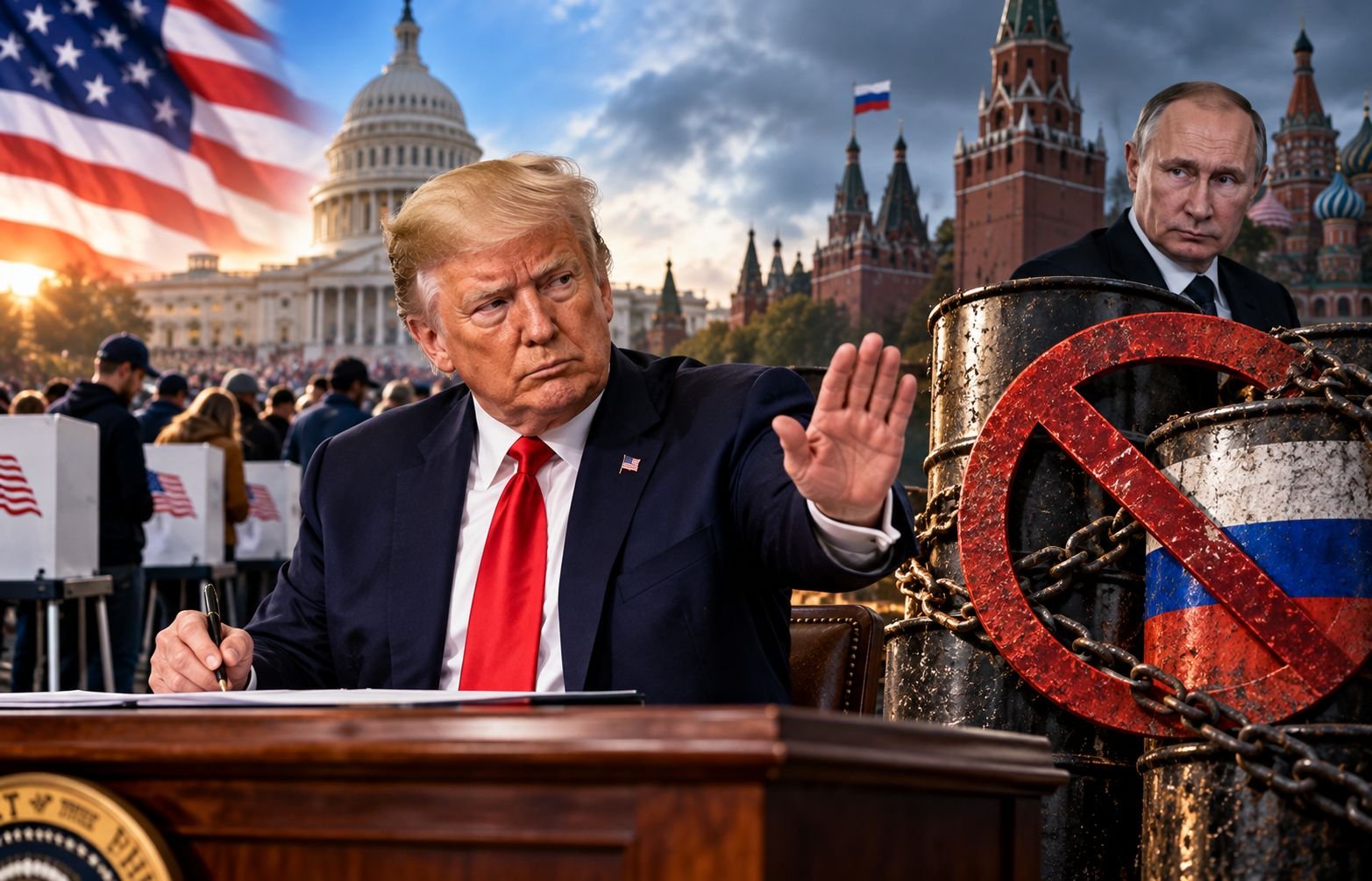
The White House is quietly waiving new sanctions on Russia, a move that directly defies Congress and signals a desperate pivot in US foreign policy. This isn’t about diplomacy; it’s about saving the Republican ticket.
With midterm elections looming next month, the administration fears that soaring energy prices are bleeding support among suburban voters. They are betting that easing pressure on Moscow will lower global oil costs just in time to stabilize the political ground.
Defying the Hill
Lawmakers on both sides are furious. The waiver ignores the explicit will of Congress, which voted to tighten the noose on Russian energy exports. One senior Democratic senator called the move “a betrayal of American values,” arguing that rewarding aggression only emboldens Vladimir Putin. The administration argues it has executive authority to adjust enforcement, but critics say this is a power grab dressed up as economic pragmatism.
Price Tag Politics
The core issue is simple: gas prices. At the pump, voters don’t care about geopolitical nuance. They care about their wallets. By signaling to Putin that the US might soften its stance, Trump is hoping for a quid pro quo. He wants Russia to cut back on production or ease export restrictions to drive down prices. It’s a high-stakes gamble. If Putin doesn’t play ball, the administration has lost leverage and credibility in one stroke.
Analysts warn this could unravel years of sanctions architecture. If the rule of law is flexible when it suits the president, what happens next? The market is watching closely, but the real test is the ballot box. If energy prices don’t drop by November, this waiver won’t look like strategy. It will look like a mistake. The administration is betting everything on a short-term fix for a long-term problem. If the numbers don’t move, the political fallout will be severe. For now, the White House is holding its breath, hoping Putin returns the favor before the polls close.
Source: NYT Business
This article was compiled by the IndiaBBCNews editorial system from verified international news sources. Facts have been independently reviewed. Original reporting: NYT Business.

