


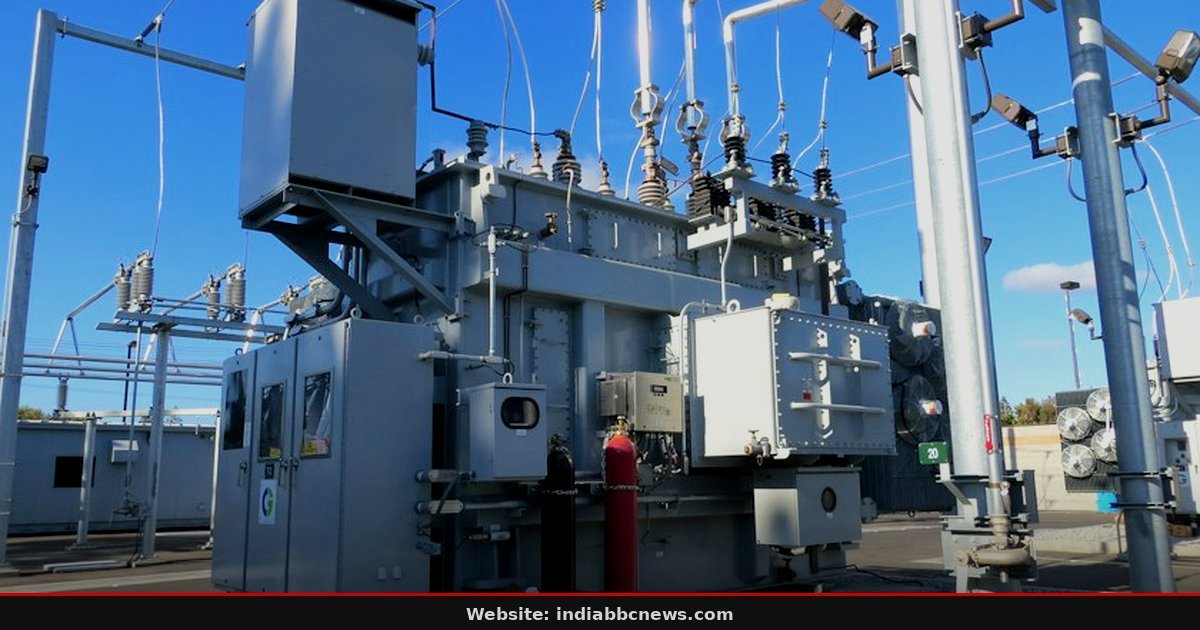
40 feet tall.
It weighs more than a blue whale.
And right now, there isn’t a single one available to buy.
The global power grid is hitting a wall. Or rather, the metal heart of that wall is cracking under pressure. Transformers are the unsung heroes of electricity transmission, stepping down voltages so power can reach our homes and factories. But a perfect storm is brewing.
Data centers are expanding at an unprecedented rate. Renewable energy plants are popping up in remote locations miles from city centers. And the aging infrastructure in wealthy nations is finally starting to fail. The result?
A shortage so severe that major utilities are scrambling for backup plans. By Priya Nair | Senior Foreign Correspondent Why the Grid Is Stalling at the Crossroads
The numbers tell a grim story. Average lead times for large power transformers have ballooned from about 9 months in 2020 to over 120 months as of late 2023. That’s a decade. For a utility planning a new solar farm, that delay isn’t just an inconvenience.
It’s a existential threat to their business model. Most of these machines are sold out through 2026 or 2027. Manufacturers like Hitachi Energy and ABB have doubled their capacity, but even that isn’t enough to keep pace with the demand spike.
It’s not just about building things. It’s about the sheer physics of copper and steel. Supply chains for grain-oriented electrical steel, which is the core material for transformer cores, are stretched thin. Mining operations can’t ramp up overnight.
And the skilled labor needed to wind these massive coils is aging out. You don’t just hire a transformer technician on a whim. That’s a harder sell than it sounds when you realize most current workers will retire within 5 years.
The Solid-State Transformer: A Promising but Unproven Bet Enter the solid-state transformer, or SST. Forget the heavy, oil-filled behemoths you see in electrical substations. These new devices use high-frequency electronics. They’re smaller, lighter, and potentially more efficient.
They can integrate directly with battery storage and renewable sources. The promise is seductive. Imagine a transformer that can be installed in a day rather than a year. It could revolutionize how we build out microgrids for data centers and EV charging hubs.
But here is the catch. It’s expensive. An SST can cost 3 to 5 times more than a conventional unit. And they are unproven at the scale required for national grids.
Reliability is king in power infrastructure. If a conventional transformer fails, it’s a fix. If an SST fails, it might take weeks to replace if spares aren’t available. Experts in power electronics have long warned about the thermal management challenges in high-density electronic systems.
We’re still in the pilot phase for most major applications. What This Means for India’s Energy Ambitions
For India, this global bottleneck is both a threat and a massive opportunity. The country is racing to add 100 GW of renewable energy capacity by 2030. This requires a massive expansion of the transmission grid. Indian utilities are already feeling the pinch.
They are ordering transformers from Korean and Chinese manufacturers to supplement domestic production. But the shortage means higher prices and longer delivery times. This could delay key projects in the solar corridors of Rajasthan and the wind farms of Gujarat.
However, India has a strategic lever. The government is pushing for “Make in India” initiatives for power equipment. Companies like Bharat Bijlee and Crompton Greaves are expanding capacity. But they need high-grade electrical steel, which India imports significantly.
If India can secure a reliable supply of grain-oriented steel, it could become a global hub for transformer manufacturing. The US and Europe are desperate for supply. India could export overflow capacity, boosting its trade balance. But only if it solves the raw material issue first.
That is a complex diplomatic and industrial negotiation. Historical Echoes of the Post-War Boom
History repeats itself, usually with a twist. After World War II, the US faced a similar infrastructure crunch. Housing booms and industrial expansion outpaced the ability to build power plants and transmission lines. The solution then was massive federal investment and a surge in private manufacturing.
It took nearly a decade to catch up. Today, the challenge is different. The demand is driven by digitalization and decarbonization, not just population growth. The technology is more complex.
And the geopolitical landscape is more fractured. Yet the dynamic is similar. The bottleneck is not in the generation of power, but in the delivery of it. We have plenty of solar panels. We have plenty of wind turbines.
But we can’t connect them all. This is a classic “last mile” problem in energy. It reminds me of the fiber optic boom in the 1990s. Everyone built the lines.
Few realized the capacity limits until traffic surged. The lesson is clear. Infrastructure must get ahead of demand, not chase it.
The Next Two Years: Critical Junctures The situation won’t resolve itself. It requires aggressive capital investment and policy intervention. We’re looking at a critical window between 2025 and 2027. This is when the new factories scheduled to open will begin delivering their first batches of units.
If these deliver on time, the shortage could ease. If they slip, expect more grid congestion and higher electricity prices for data centers and heavy industry. Utilities are hedging their bets by locking in prices with long-term contracts. This is risky but necessary.
And there’s another wildcard. The rise of artificial intelligence. AI demand for electricity is growing exponentially. A single large data center can consume as much power as a small city.
These facilities are being built in locations with cheap power, often near renewable sources. But they need immediate connection to the grid. Without the necessary transformers, these projects will sit idle. That represents billions in stranded capital.
It is a direct drag on economic growth. The stakes have never been higher. Frequently Asked Questions
Why are transformers in short supply?
Demand has outstripped supply due to renewable energy expansion, EV charging, and data centers. Manufacturing lead times have increased from 9 to over 100 months. The global shortage is expected to persist through the mid-2020s.
What is a solid-state transformer?
It’s a lighter, electronic alternative to traditional oil-filled transformers. It uses high-frequency switches to convert voltage. It’s more efficient but significantly more expensive and less proven at scale.
How does the transformer shortage affect India?
It delays renewable energy projects and increases costs for grid expansion. India may become a key export hub if it secures steel supplies. Delays could impact the country’s 2030 clean energy targets.
When will the shortage end?
Most analysts predict relief around 2027 or 2028. New manufacturing capacity is coming online, but demand is also growing. The balance is delicate and depends on global economic conditions.
Can India produce enough transformers for itself?
Domestic capacity is growing but still falls short of the massive demand. India relies on imports for key materials like electrical steel. Local manufacturing must expand rapidly to meet the 100 GW renewable target.
Source: Bloomberg Markets Source: Bloomberg Markets
Source: Bloomberg Markets

