


Why the Met’s Silent Squeeze on Greenwich Woodland Has Residents Spooked
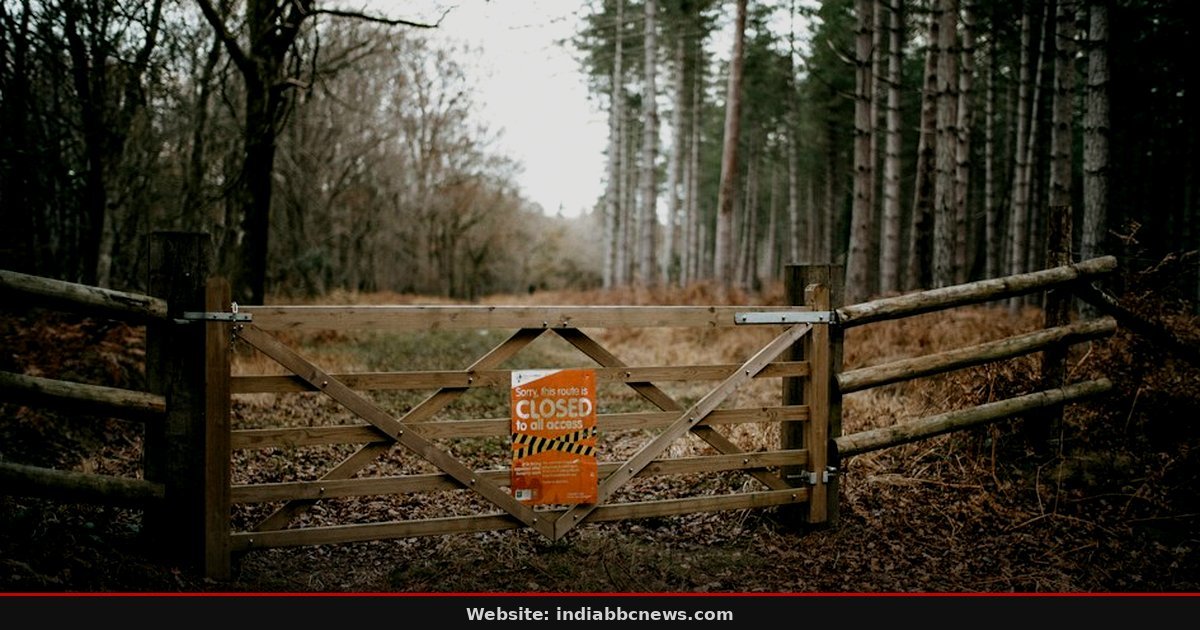
The tape went up on a Tuesday. By Sunday, the mystery had consumed the local WhatsApp groups. For days, a heavy police presence has sealed off sections of Falconwood Field, a quiet patch of green off Rochester Way in Greenwich, leaving neighbors to wonder what exactly the Met is looking for in the trees.
The Silence Is Louder Than the Sirens
Police have not said why. That is the problem. The Metropolitan Police confirmed a search is underway, but the details they provided were frustratingly thin. They said the operation was not about the stabbing on October 31. They also said they were not searching for a body.
What they did not say was more telling. No arrests have been announced. No suspect has been named. There is no face on the screen, no mugshot to debate. Just a cordon that keeps growing. Residents told reporters that the police dogs have been circling the same patch of undergrowth for hours. It’s a tactic that usually means something physical is being sought. A weapon? Evidence? The silence from New Scotland Yard feels calculated, almost theatrical. It leaves the public to fill the void with speculation. And in London, speculation moves faster than any press release.
What the Dogs Are Chasing in the Dark
K9 units are the first thing people notice. You see the handlers, you hear the barking, and you know the scent is fresh. Forensic officers have been on site since early in the week, according to witnesses who walked past the perimeter. They wore high-vis vests and carried specialist lighting equipment, suggesting the work continues well into the evening.
This is not a casual patrol. The deployment of forensic teams implies a crime scene, not just a missing person check. Experts in investigative psychology note that visible police operations in remote areas often serve a dual purpose: they search for evidence while simultaneously intimidating potential witnesses into silence. Or, they intimidate suspects into making mistakes. The cordon prevents casual access, which stops tampering but also stops the public from providing tips. It’s a closed system. The only information flowing out is the official denial that this is about a body. That denial, while definitive, does little to calm the nerves of those living within earshot of the search.
Indians in Greenwich and the Ripple Effect of Fear
Greenwich has a significant Indian community, with many families settled in the surrounding neighborhoods of Eltham and New Eltham. For them, this prolonged police presence has injected a new layer of unease into daily life. Commuters who use the bus routes along Rochester Way are now swerving to avoid the cordon, adding minutes to their journeys.
But there is a deeper anxiety for some. In the Indian diaspora, news of police operations in the UK often triggers a collective memory of scrutiny. Many worry about being flagged, about their data being pulled, about the simple act of living quietly being misread as hiding something. This is not unfounded. Post-9/11 and in the current climate of counter-terrorism focus, visible police work in diverse communities often leads to a chilling effect on reporting. Students at local universities, many from India, have said they are avoiding the area entirely. It’s a logistical hassle, sure, but it also signals a breakdown in the basic trust between the force and the neighborhood. When the police hide what they are doing, everyone assumes they are doing it to them.
The History of Hidden Searches in London’s Greens
We have seen this before. Remember the searches around the House of Commons gardens in 2010? Or the long cordon around Hackney Marshes during certain investigation periods? London’s pockets of green are often used because they offer cover. They are easy to seal off without blocking major transport arteries completely.
Historically, the Met uses these “soft seals” when they have a strong lead but no hard evidence yet. It is a time-based strategy. They buy time to process digital evidence or wiretap communications while physically securing the scene. A former detective constable told me that these operations are often the final step before an arrest, or the first step after a tip-off that needs verification. The lack of media attention is usually a failure of the police PR machine, not a sign of insignificance. If anything, the absence of a statement means the case is sensitive. Sensitive cases rarely end well for the person being investigated.
What Happens Next? The Clock is Ticking
The cordon cannot stay up forever. There is usually a legal and practical limit to how long a private land area can be sealed off without a warrant or specific statutory authority. If the police do not produce a suspect in the next 48 to 72 hours, the pressure on them to drop the cordon will mount. Residents will complain. Councilors will ask questions. The Mayor’s office will be forced to respond.
But if they do pull the tape, it doesn’t mean the case is closed. It might mean the investigation has moved indoors. It might mean the evidence was found, and now the lawyers are working. Or it might mean they were wrong. The next move likely comes from the Crown Prosecution Service, or a quiet court filing. We will know when the name is read out, or when it isn’t. Until then, the trees in Greenwich remain the only witnesses. And they do not talk.
Frequently Asked Questions
Why did police seal off Falconwood Field?
The Metropolitan Police stated they are conducting a search operation. They have not disclosed the specific crime or the object of their search.
The cordon was put in place to secure the scene and preserve any potential evidence found within the woodland.
Are the police looking for a missing person?
No. The Met explicitly told reporters they are not searching for a body.
They also confirmed the operation is unconnected to the recent stabbing on October 31.
How does this affect residents in Greenwich?
Local residents have reported significant disruption to daily access to the woodland.
Bus routes and walking paths near Rochester Way are clogged or closed, forcing people to take longer detours.
Why is the police presence so heavy?
The deployment of forensic officers and specialist K9 units suggests a serious criminal investigation is underway.
Heavy presence keeps the public out and prevents potential evidence from being disturbed or tampered with.
When will the police release more details?
There is no official timeline for further updates from the Metropolitan Police.
Typically, details are released when arrests are made or when the cordon is lifted, whichever comes first.
Source: Evening Standard UK
Source: Evening Standard UK

