


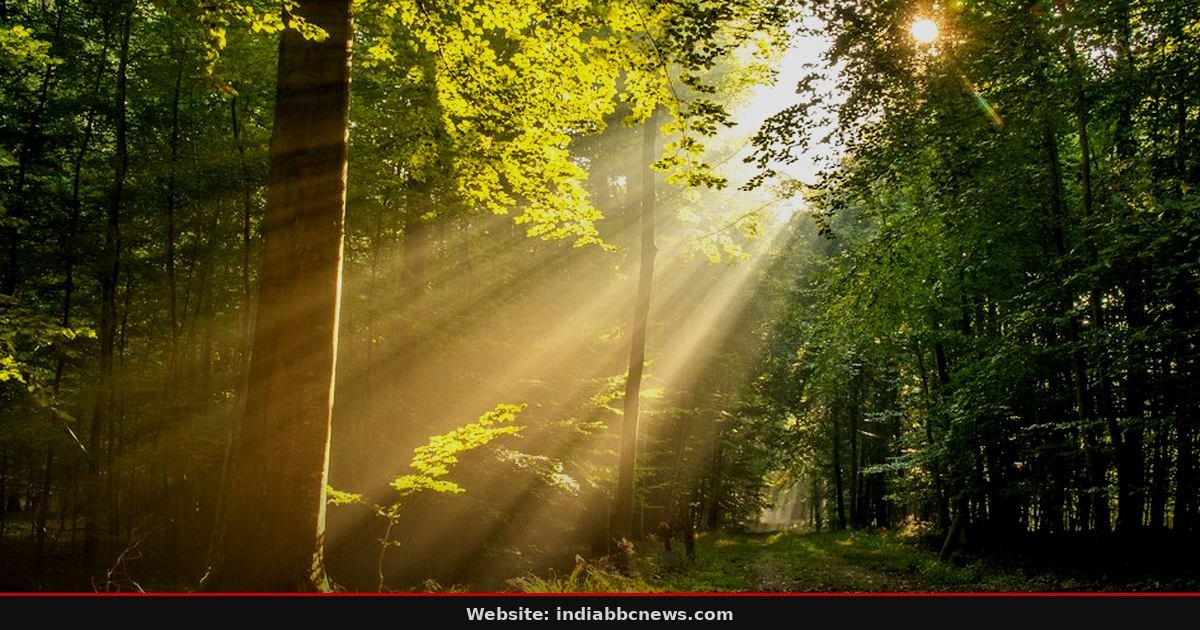
164,000 pounds. That is the price tag on 17 acres of silence, old oak, and wild bramble near Stroud, Gloucestershire. Locals have exactly one year to raise it. If they fail, the wood goes back on the open market, and the 20-year arrangement that kept it open to everyone ends with a single signature on a deed of sale.
The Urgency Behind the Offering
Margaret and David Lloyd are tired. They are 79 and 81, respectively, and they have watched over this patch of land for two decades. They loved it enough to let the public wander freely, but love does not mow paths or clear fallen branches. It is too much work now.
They want it sold, but not to a developer. Not to a private hedge fund. They want it handed to the people who already call it home.
The couple gave the Ruscombe Woodlands Committee until November 2027 to come up with the cash. That deadline is a gift, but it is also a clock that is already ticking loudly in the village. The committee has no public right of way to defend legally, only a permissive agreement that can be withdrawn at any moment. It is a fragile thing, this access.
One letter from the owners, and the gate could close. The community knows this. They are terrified of the quiet end.
What the Committee Is Actually Fighting For
“I like the idea that if we own the woods, nature will become part of the community and we can have that instead of a community hall,” said Martin Humphreys, a member of the committee. That is a harder sell than it sounds. Community halls are tangible. You can fix a roof, paint a wall, and hold a quiz night.
Woodland is harder to grasp. It is shifting. It is damp. It is alive in ways that do not fit neatly into a budget sheet.
Yet that is precisely why they want it.
They plan to use the space as a forest school, offering free workshops on woodland care, natural skills, and creative crafts. It is about handing the keys to the next generation, not just preserving a tree line. The wood has a “silent quality,” Humphreys said, a phrase that stuck with me because it felt more like a confession than a description. It is that silence that is disappearing across the UK as backlands get subdivided for housing. This is not just conservation; it is an act of defiance against the relentless pace of development.
A Rare Volunteer Offer in a Competitive Market
In the current property landscape, land is money. Period. Sellers rarely pause to let locals buy first. This is an exceptional move by the Lloyds, and it puts pressure on a small volunteer group to perform like a professional fundraising agency.
They have 12 months to cover the purchase price, plus legal fees, survey costs, and the initial maintenance backlog. It is a steep hill to climb for a group of parents, retirees, and local teachers. Most would have given up after the first failed crowdfunding campaign. But these are people who have already spent 20 years showing up.
There is a historical precedent here, though it is rarely cited in local news. In the late 1990s, similar community land trusts struggled across the Cotswolds, often failing due to lack of seed capital. The difference now is the digital toolkit. Social media, crowdfunding platforms, and national charitable networks mean that local people can appeal to a global audience.
They are not just knocking on doors in Stroud; they are reaching out to anyone who cares about wild places. It changes the odds, slightly. But it does not change the math. The money still has to come from real pockets.
Is it enough? Probably not. The gap between good intentions and 164,000 pounds is vast. But the act of trying, the public declaration of intent, creates a social contract.
Now the whole village is involved. Now the pub regulars are asking about the wood. Now the local council is watching. The campaign itself is a tool, as much as the money will be.
It forces the issue into the open. It makes inaction visible. And visibility is a currency, too.
India’s Parallel: The Private-Public Conservation Tug
For Indian readers, this story echoes a familiar struggle, but with a very different structural context. In India, the concept of “community forest” is legally recognized under the Forest Rights Act of 2006, which aims to secure the rights of forest-dwelling communities to protect, conserve, and manage community forest resources. It is a bold legal framework. In practice, it is often bogged down by bureaucracy, lack of funding, and weak implementation.
The Ruscombe Wood campaign is ad hoc, grassroots, and urgent. In India, the process is statutory, slow, and often opaque. Yet the core tension is the same: who owns the wild? The state?
The private owner? The people who live beside it?
There is a direct market angle here for those watching the Indian real estate and conservation sectors. The UK model of community land trusts is gaining traction in India, particularly in regions like Rajasthan and the Western Ghats, where local cooperatives are beginning to buy and manage degraded lands. The Ruscombe case is a microcosm of what is needed in India: a clear, time-bound offer from a private seller to a community body, backed by a transparent fundraising goal. Indian policy often struggles with this clarity.
Lands are leased, disputed, or managed by distant government agencies. When local communities have a direct stake and a direct deadline, their motivation skyrockets. This story is a case study in how to make community conservation viable, not just theoretical. For Indian investors in sustainable development, it highlights the value of simple, transparent transactions between private owners and local groups.
It is a model that could work in the Deccan Plateau or the Northeast, if the legal framework allowed for it. The lesson is simple: give people the keys, and they will guard the gate.
The Deadline and the Next Steps
The campaign launches now. The committee will need to launch a formal fundraising appeal, likely through a registered charity, to ensure the funds are used correctly. They must close the legal deal by November 2027. If they miss the date, the Lloyds say they will put the wood back on the market.
The implications are stark. Once it hits the open market, the price could rise. The buyer could be anyone. The silence could end.
The committee is aware of this risk. They are not being sentimental. They are being strategic. They know that time is their ally, but only if they move fast enough.
What happens next is a race against the calendar. Every week, they need to raise about 640 pounds to hit the target. That is doable, but it requires a sustained effort. It requires every local to donate, or to spread the word.
It requires a stranger in Mumbai or Manchester to read this story and feel the pull of the woods. It is a small campaign, but it is a big test. A test of local solidarity. A test of digital reach.
A test of whether a community can save its own lungs. The verdict is not in yet. It is in the bank account. It is in the next milestone.
It is in the next donation. Watch closely. This is more than a local issue. It is a blueprint.
Frequently Asked Questions
Why did the owners decide to sell the wood now?
Margaret and David Lloyd, who have been the owners for 20 years, have decided to sell because the maintenance has become too much work for them at their age. They want to ensure the wood is protected and loved by the community rather than remaining a private burden. If the Ruscombe Woodlands Committee does not raise the 164,000 pounds by November 2027, the owners will put the woodland back on the open market for sale to any buyer. This could result in the loss of public access and increased development pressure on the site.
What happens if the committee fails to raise the money?
How much money does the committee need to raise exactly?
The committee needs to raise a total of 164,000 pounds. This amount covers the purchase price of the land, as well as the associated legal fees and survey costs required to complete the transfer of ownership. No, Ruscombe Wood does not have a public right of way. Access has been permitted by the owners for the last 20 years, but this is a permissive right that can be withdrawn at any time by the landowners, making the upcoming purchase critical for guaranteed future access.
Does the wood currently have a public right of way?
Source: BBC Science
Source: BBC Science

