

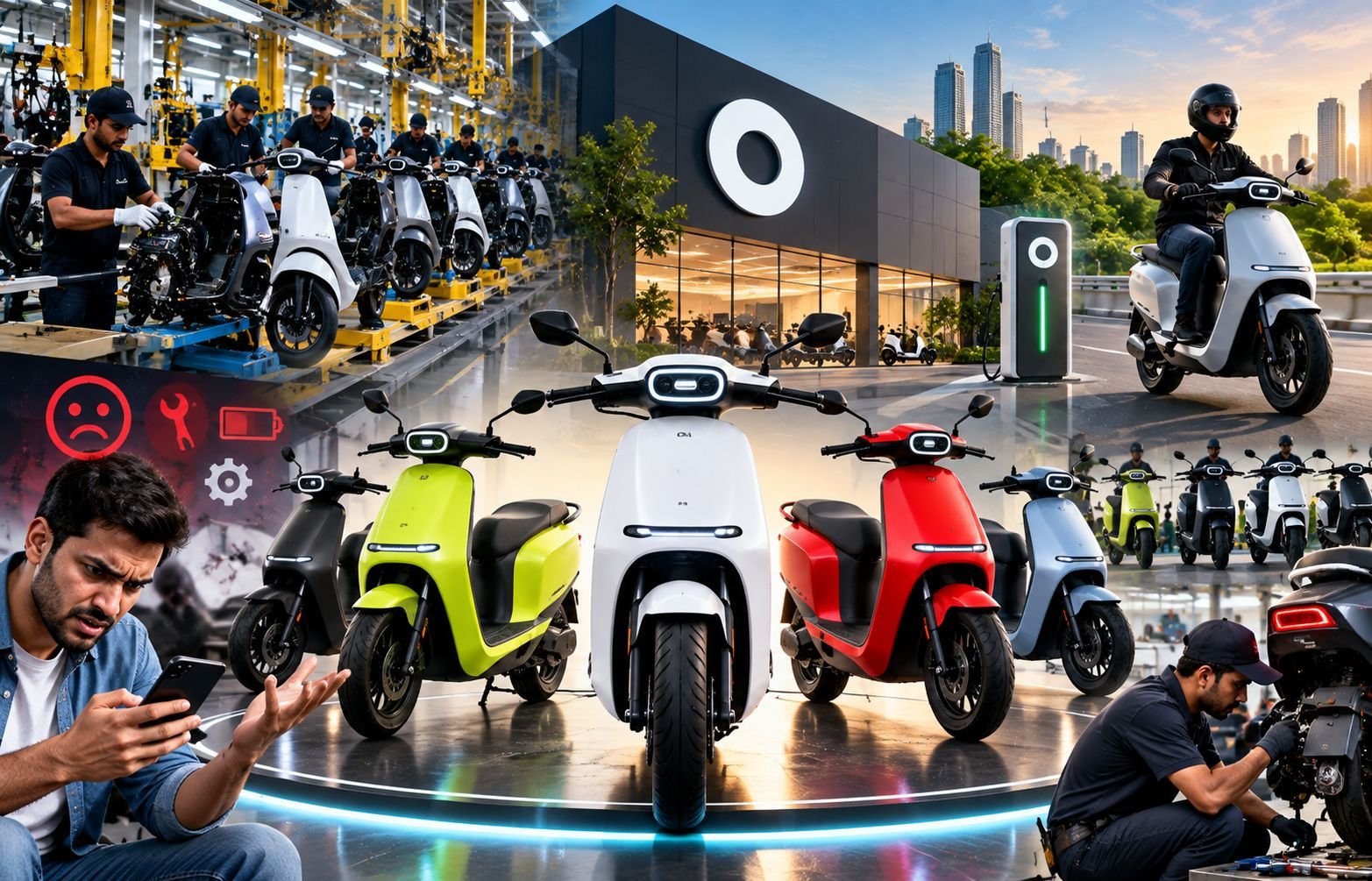
Ola Electric has had a year that encapsulates the promise and the peril of building a disruptive consumer technology company in India at speed. The company that launched its first electric scooter in 2021 with enormous fanfare, and subsequently faced a wave of customer complaints about service quality and product reliability, has been working hard in 2026 to rebuild trust while simultaneously launching new products and expanding its manufacturing ambitions.
The Sales Numbers
Ola Electric sold approximately 1.2 lakh scooters in September 2026 — its highest monthly number — reclaiming the top position in the Indian electric two-wheeler market after a period during which competitors TVS and Bajaj had gained significant ground. The S1 Pro remains the best-seller, but the newer S1 Air and the recently launched S1 X have broadened Ola’s addressable market by offering more affordable entry points.
The Service Quality Turnaround
The biggest story at Ola Electric in 2026 is the attempted service turnaround. After the infamous “service crisis” of 2023-24, when thousands of customers complained about long wait times for repairs and difficulty getting spare parts, Ola has invested heavily in expanding its service network. The company now has 4,200 service touchpoints across India — up from 800 in 2023 — and has introduced a doorstep service offering in 50 cities.
The IPO and What Comes Next
Ola Electric’s IPO in August 2024 raised ₹6,145 crore at a valuation of approximately ₹33,500 crore. The stock has had a volatile post-listing journey, but the company’s Q2 FY27 results showing improved unit economics and a narrowing operating loss have improved investor sentiment. The company’s stated ambition of entering the motorcycle segment with electric bikes — targeting the high-volume commuter segment dominated by Hero and Bajaj — could be transformative if executed well.
As we look at this story in the broader context of what’s happening in India and around the world, several important points stand out. The pace of change has accelerated significantly over the past 24 months. Events that once took years to unfold are now happening in months or even weeks. Second, the impact on ordinary Indians is real and immediate — whether it’s the price of petrol, the availability of jobs, or the content we watch on our phones, the big stories of 2026 touch everyday life.
Analysts across India’s leading think tanks and media organisations have weighed in on this development. The consensus is that this is a significant moment with ripple effects for months to come. India’s unique position — as a rapidly growing democracy with 1.4 billion people, a young population, a dynamic private sector, and an increasingly active foreign policy — means that developments here have consequences for the global economy, geopolitics, and technology that reverberate from Silicon Valley to Beijing to Brussels.
The next few weeks and months will be critical. Policy responses, market reactions, public opinion shifts, and this story’s interaction with other major trends will shape outcomes.