
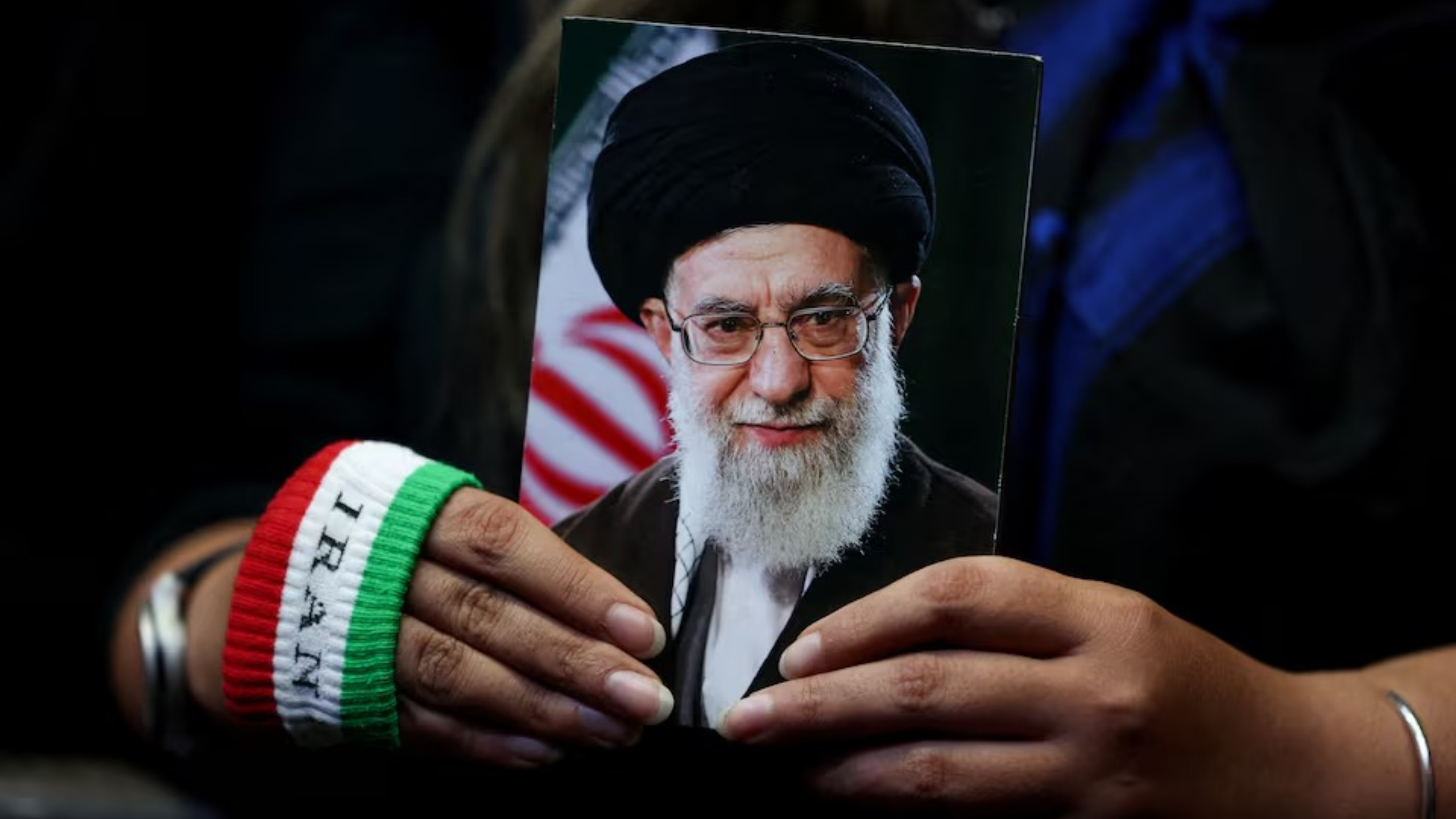
The Middle East remains on edge after Iran issued a stern warning to the United States and Israel ahead of the funeral processions for Supreme Leader Ayatollah Ali Khamenei. The warning comes at a time when regional tensions are already running high following weeks of military confrontations, diplomatic disputes, and fears of further escalation. Iranian officials have declared that any military action or attempt to exploit the period of national mourning would receive a decisive response, signaling that Tehran intends to maintain heightened military readiness throughout the funeral ceremonies.
The funeral of Ayatollah Ali Khamenei is expected to draw millions of mourners from across Iran and several foreign delegations from allied nations. Security forces have been deployed across major cities, particularly Tehran, Mashhad, and Qom, where large public gatherings are expected. Authorities have also announced temporary restrictions around sensitive government buildings and military installations as part of an extensive security plan.
Iran’s latest warning has once again placed global attention on the fragile security environment in the Middle East, with governments worldwide closely monitoring developments that could influence regional stability and international energy markets.
Why Did Iran Issue the Warning?
Iranian officials stated that the warning is intended to prevent any external military action during one of the country’s most sensitive national events. According to senior military commanders, intelligence agencies have detected what they describe as increased surveillance activities around Iranian territory. Tehran believes that periods of political transition or national mourning could be viewed by adversaries as moments of vulnerability.
Officials emphasized that Iran’s armed forces, including the Islamic Revolutionary Guard Corps (IRGC), remain on full operational alert. Air defense systems have reportedly been strengthened around strategic facilities, while missile forces have also been instructed to maintain readiness.
The Iranian government insists that the warning is purely defensive but has simultaneously declared that any attack on Iranian territory, military bases, or leadership institutions would receive an immediate and proportionate response.
Funeral Processions Carry National and Political Significance
The funeral ceremonies for Ayatollah Ali Khamenei represent more than a religious gathering. They symbolize a major political moment for the Islamic Republic, as the country prepares for an important leadership transition while seeking to project unity both domestically and internationally.
Millions of Iranians are expected to participate in processions organized across several provinces. Religious scholars, military leaders, political figures, and representatives from allied countries are also expected to attend official ceremonies.
For Iranian authorities, ensuring the safety of these events has become a national priority. Security personnel have increased checkpoints, surveillance operations, and crowd-control measures in anticipation of one of the largest public gatherings in recent Iranian history.
Rising Concerns Over Possible Regional Escalation
Iran’s warning has reignited concerns that tensions between Tehran, Washington, and Tel Aviv could escalate further. Relations between the three countries have remained deeply strained due to disputes over Iran’s nuclear program, regional proxy conflicts, missile development, and recent military exchanges.
Military analysts believe that even a minor security incident during the funeral period could trigger wider regional consequences. Because of this, neighboring countries are also increasing border surveillance while international intelligence agencies continue monitoring military movements throughout the region.
Several governments have urged all sides to exercise restraint to prevent further instability.
The United States Maintains Military Vigilance
Although American officials have not indicated any plans for military operations related to the funeral period, the United States continues maintaining a significant military presence across the Middle East.
US naval assets remain deployed in the Persian Gulf and surrounding waters to safeguard international shipping routes and protect American personnel stationed throughout the region. Pentagon officials have repeatedly stated that US forces remain prepared to defend themselves if threatened while continuing diplomatic efforts aimed at reducing tensions.
Washington has consistently maintained that its regional deployments are defensive in nature and intended to support stability among allied nations.
Israel Closely Watches Iranian Developments
Israel has also continued monitoring developments inside Iran with significant attention. Israeli security officials have frequently expressed concerns regarding Iran’s missile capabilities and its support for regional armed groups.
Although Israeli authorities have not publicly commented in detail regarding Iran’s latest warning, defense analysts believe Israel is carefully evaluating the evolving political situation inside Iran following Khamenei’s passing.
Israeli military preparedness remains elevated due to ongoing security concerns across multiple fronts in the Middle East.
Global Leaders Call for Restraint
The international community has reacted cautiously to the latest developments. Several governments have urged all parties to avoid provocative actions that could increase instability in an already volatile region.
The United Nations has repeatedly emphasized the importance of dialogue and diplomatic engagement to reduce tensions. European governments have similarly encouraged restraint while expressing concern about the possibility of unintended military escalation during a period of heightened emotions inside Iran.
Countries heavily dependent on Middle Eastern energy supplies are particularly concerned that any conflict could disrupt global oil exports and international trade routes.
Impact on Global Oil Markets
Financial markets are closely following events surrounding Iran. Even without direct military confrontation, heightened tensions involving Iran, Israel, and the United States often influence global crude oil prices.
Iran remains one of the region’s major energy producers, while the Strait of Hormuz continues to serve as one of the world’s most important maritime oil transportation routes. Investors fear that any escalation involving military activity could disrupt shipping operations, increase insurance costs for commercial vessels, and create uncertainty in global energy markets.
Energy analysts suggest that markets are likely to remain volatile until the funeral ceremonies conclude peacefully and regional tensions begin to ease.
Domestic Unity Becomes Tehran’s Immediate Priority
Inside Iran, political leaders have called for national unity during the mourning period. State media continues broadcasting extensive funeral coverage while emphasizing national solidarity and resistance against perceived foreign threats.
Religious institutions have organized nationwide prayer ceremonies, while government officials have encouraged citizens to participate peacefully in funeral processions.
The leadership transition following Khamenei’s death is expected to become one of the most significant political developments in Iran’s modern history, making domestic stability an immediate priority for the government.
Security Forces Expand Protective Measures
Iranian security agencies have implemented one of the country’s largest domestic security operations in recent years. Police, intelligence personnel, and military units have been deployed around transportation hubs, airports, government buildings, religious centers, and communication infrastructure.
Authorities are also monitoring cyberspace for potential cyberattacks or misinformation campaigns that could create public panic during the funeral period.
Officials maintain that these measures are precautionary and designed to ensure the safety of millions expected to attend public ceremonies.
What Happens Next?
The coming days will likely prove critical for regional diplomacy. If the funeral ceremonies conclude without incident, tensions could gradually decline, allowing diplomatic channels to resume discussions on broader regional security issues.
However, experts warn that the underlying disagreements between Iran, the United States, and Israel remain unresolved. Issues involving Iran’s nuclear program, regional military influence, sanctions, and security alliances continue to shape relations between the three countries.
As a result, while the immediate focus remains on ensuring peaceful funeral ceremonies, the broader geopolitical rivalry is expected to continue influencing Middle Eastern politics for the foreseeable future.
Conclusion
Iran’s warning to the United States and Israel ahead of Ayatollah Ali Khamenei’s funeral reflects the extraordinary sensitivity surrounding one of the country’s most significant political and religious events. Tehran is seeking to demonstrate military readiness while ensuring that millions of mourners can participate without disruption. Meanwhile, the United States, Israel, neighboring countries, and the international community continue closely monitoring developments to prevent any escalation that could destabilize the wider Middle East. With global attention fixed on Iran, the successful completion of the funeral ceremonies may help reduce immediate tensions, but the deeper geopolitical challenges between Tehran, Washington, and Tel Aviv remain unresolved and are likely to continue shaping regional security in the months ahead.