

Rising Middle East Tensions Shock the World
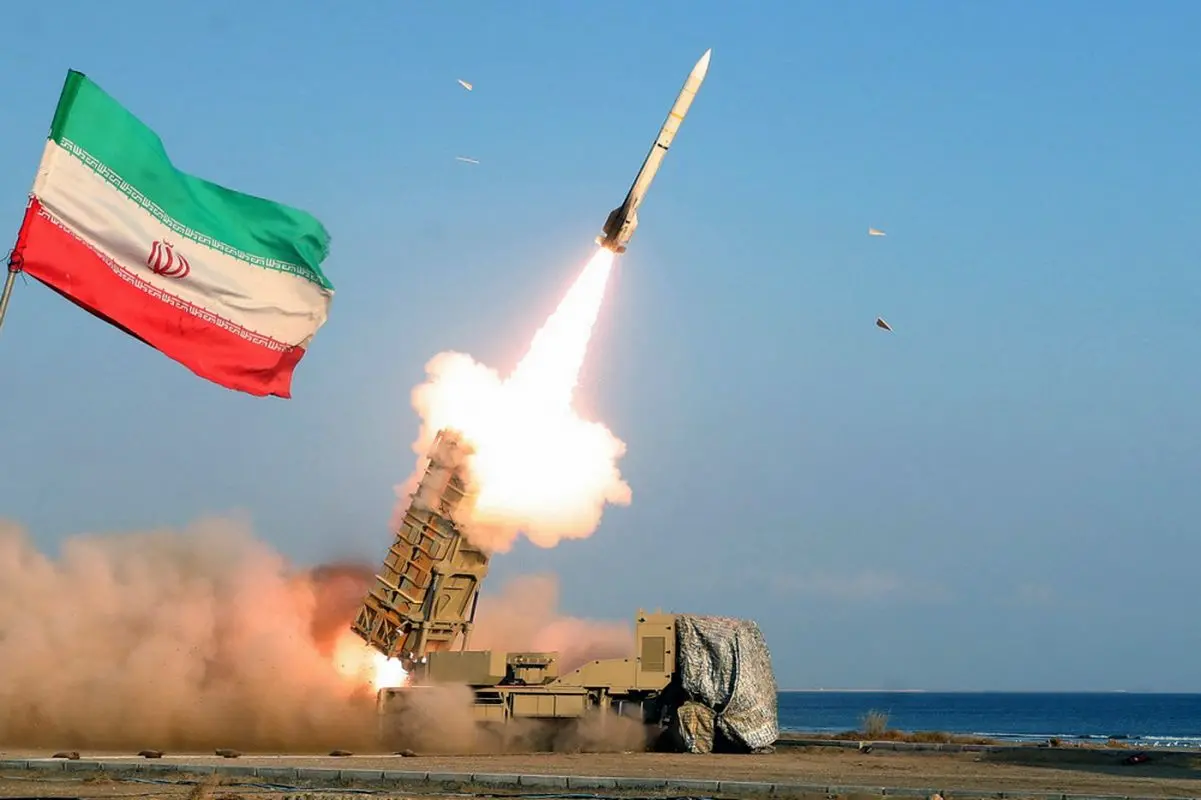
Global tensions surged once again after reports emerged that Iran launched missiles toward a US military base in Kuwait, reigniting fears of a wider conflict in the Middle East. Dramatic footage circulating online allegedly captured the moment missiles lit up the night sky as air defense systems attempted interceptions over Kuwait. The renewed attacks have intensified concerns among international observers, governments, and global markets as the fragile ceasefire between Iran and the United States appears increasingly unstable.
The latest escalation comes amid an already volatile geopolitical situation involving military operations near the Strait of Hormuz, growing regional insecurity, and heightened military presence across Gulf nations. According to several international reports, Kuwaiti defense systems intercepted incoming missiles and drones believed to have been launched by Iranian forces targeting American military assets stationed in the country. Although officials claimed there were no major casualties, the psychological and political impact of the attacks has been enormous.
What Happened During the Missile Attack in Kuwait?
Reports suggest that the missile attack occurred late at night when air defense sirens sounded across parts of Kuwait. Videos shared on social media showed flashes in the sky as interception systems activated in response to incoming projectiles. The attacks reportedly targeted areas linked to American military operations, including installations hosting U.S. forces.
Iran’s Islamic Revolutionary Guard Corps reportedly claimed responsibility for retaliatory strikes after accusing the United States of conducting military operations near Bandar Abbas in southern Iran. Iranian media described the missile launches as a warning against further American aggression in the region. Meanwhile, U.S. Central Command condemned the strikes and labeled them a serious violation of ongoing ceasefire negotiations.
Kuwait quickly issued statements confirming that its defense systems successfully intercepted hostile missiles and drones before they could cause major destruction. Authorities urged residents to remain calm while emergency security measures were implemented nationwide.
Why Is Kuwait Strategically Important for the United States?
Kuwait remains one of the most strategically important allies of the United States in the Gulf region. The country hosts several American military facilities and serves as a major logistics and operational hub for U.S. forces operating across the Middle East. Due to its geographical position near Iraq, Iran, and the Persian Gulf, Kuwait plays a critical role in regional military planning and security coordination.
American troops stationed in Kuwait support operations involving intelligence gathering, maritime security, counterterrorism efforts, and rapid response missions. Any direct attack on U.S. military assets in Kuwait carries major geopolitical consequences because it threatens regional stability and raises the risk of broader military confrontation involving multiple Gulf nations.
Iran’s decision to allegedly target a U.S. base in Kuwait therefore represents not only a military escalation but also a symbolic challenge to American influence in the Gulf region.
Iran and the United States: A Conflict That Continues to Escalate
Relations between Iran and the United States have remained deeply hostile for decades, but tensions intensified dramatically after recent military operations involving both nations. The conflict has evolved through economic sanctions, cyber warfare, proxy battles, drone strikes, and direct military confrontations.
In recent months, the situation became even more dangerous following allegations that American forces targeted Iranian military infrastructure connected to drone activity near the Strait of Hormuz. Iran responded by warning that any attack on its territory would receive a decisive response.
The latest missile incident in Kuwait appears to be part of this growing cycle of retaliation. Analysts believe that both sides are attempting to demonstrate military strength while avoiding a full-scale regional war. However, repeated attacks and retaliatory strikes increase the possibility of miscalculations that could rapidly spiral into a much larger conflict.
Dramatic Videos Spread Across Social Media
One major reason the incident gained worldwide attention was the rapid spread of dramatic videos online. Footage appearing on social media platforms showed explosions in the sky, missile trails, and active interception systems operating above Kuwaiti territory. Many users described the visuals as terrifying and surreal.
Several clips were widely shared with captions claiming they captured the exact moment Iranian missiles targeted U.S. military facilities. News organizations and independent analysts have continued verifying the authenticity and location of these videos. While some footage remains unconfirmed, the visuals contributed significantly to public anxiety surrounding the attacks.
The power of social media in modern warfare has become increasingly evident during such crises. Real-time videos can influence public opinion, trigger panic, and amplify international political pressure within minutes.
Global Reactions to the Kuwait Missile Incident
The missile attack triggered immediate international reactions from governments around the world. Gulf Cooperation Council countries condemned the strikes and expressed solidarity with Kuwait. Saudi Arabia, the United Arab Emirates, and Bahrain reportedly criticized Iran’s actions and warned against further escalation.
The United States also issued strong statements condemning the attack. American military officials emphasized that attacks against allied nations and U.S. personnel would not go unanswered. Security experts believe Washington may increase its military readiness across the Gulf region in response.
Meanwhile, international organizations called for restraint and urged diplomatic solutions to prevent a broader war. Global leaders fear that continued military exchanges between Iran and the United States could disrupt global oil supplies, threaten international shipping routes, and destabilize the Middle East economy.
Impact on Oil Prices and Global Markets
The renewed tensions immediately affected global financial markets and energy prices. Oil prices reportedly surged after fears grew that instability in the Gulf region could threaten supply routes through the Strait of Hormuz, one of the world’s most important energy corridors.
Investors reacted cautiously as military conflict near key shipping routes raises concerns about potential disruptions to global trade. The Gulf region remains central to global energy exports, meaning any escalation involving Iran and U.S. military operations can influence economies worldwide.
Financial analysts believe prolonged instability could increase fuel prices internationally and create uncertainty across stock markets. Countries heavily dependent on Middle Eastern oil imports are closely monitoring developments.
Could This Lead to a Larger Regional War?
Security analysts remain divided on whether the attacks could evolve into a larger regional conflict. Some experts believe both Iran and the United States are carefully managing escalation levels to avoid direct full-scale war. Others warn that repeated attacks increase the risk of accidental escalation.
The presence of multiple military forces across the Gulf region makes the situation particularly dangerous. Countries such as Kuwait, Qatar, Bahrain, Saudi Arabia, and the UAE host American military assets, making them vulnerable during periods of heightened tensions.
Any future attack causing large casualties could dramatically alter the situation and force stronger military retaliation. Diplomatic channels remain active, but trust between the involved parties appears extremely fragile.
How the Crisis Affects Ordinary People
Beyond military and political discussions, the conflict deeply affects ordinary civilians living across the Middle East. Residents in Kuwait experienced fear and uncertainty as sirens sounded and defensive systems activated. Families worried about safety while social media filled with reports and speculation.
Expats and foreign workers living in Gulf nations are also closely monitoring the situation. Airlines, businesses, and shipping companies may face disruptions if tensions continue rising. Tourism and international investments in the region could also suffer if instability persists.
The humanitarian impact of prolonged conflict often extends far beyond immediate military targets, affecting economies, livelihoods, mental health, and regional development.
Conclusion
The reported missile attack on a U.S. base in Kuwait marks another dangerous chapter in the escalating tensions between Iran and the United States. Dramatic videos of missile interceptions and nighttime explosions have captured worldwide attention, highlighting how quickly regional conflicts can create global concern.
While Kuwaiti defense systems reportedly intercepted the incoming threats successfully, the political consequences remain serious. International leaders now face increasing pressure to prevent further escalation and restore diplomatic stability before the situation spirals into a wider Middle East conflict.
As attacks resume and military rhetoric intensifies, the world watches closely to see whether diplomacy can still prevent another major regional war. The coming days may prove critical in determining the future direction of U.S.-Iran relations and the overall security of the Gulf region.