


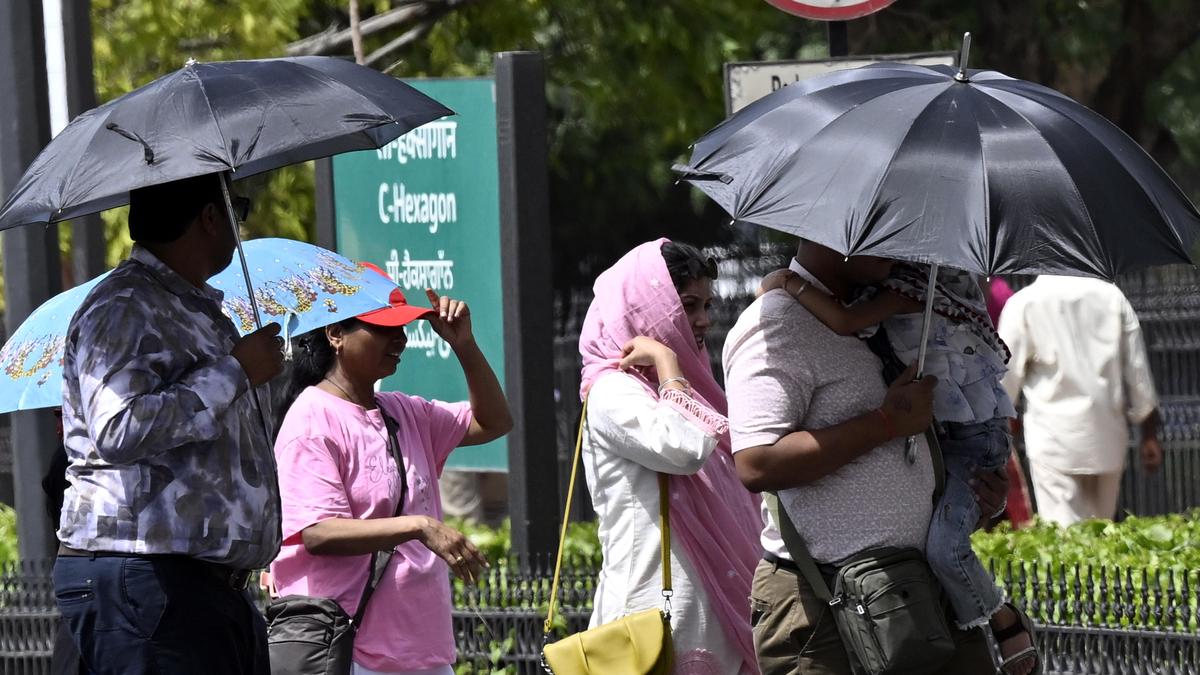
Central India is burning. The northwest is barely cooler. And the question — what is actually causing heatwave conditions of this severity and persistence — doesn’t have a single answer, which is part of why it’s so difficult to address.
The Immediate Meteorological Causes
The India Meteorological Department’s explanation for the current wave centres on a combination of factors that have aligned in an unusually reinforcing way.
A persistent high-pressure system has been sitting over northwest India and Pakistan for the past several weeks. High pressure means descending air — and descending air warms as it compresses. It also means clear skies, which maximise incoming solar radiation during the day and allow the surface to lose heat at night — but the nights have been staying warmer than normal too, which means the baseline is rising.
The western disturbances — weather systems that normally bring some moisture and cloud cover to the north — have been either weaker than typical or tracking further north than usual. This has removed one of the normal moderating influences on the heat.
The Larger Climate Context
Individual heat events always have immediate meteorological causes. But those immediate causes are operating within a baseline that is measurably hotter than it was thirty years ago.
IMD data shows that the 1991-2020 climate normal for May temperatures across central and northwest India is already elevated compared to the 1961-1990 baseline. The current event, extreme as it is against even the recent normal, is less extreme than it would appear against older records.
This is the pattern that climate scientists have been describing for over a decade: events that would have been genuinely rare historical extremes are becoming more frequent, while events that were already common are becoming more intense.
When Will It Break?
The southwest monsoon’s arrival over Kerala typically marks the beginning of the end for the pre-monsoon heatwave season in most of India. Its progress northward — Kerala to Mumbai to Delhi typically takes several weeks — brings progressively more moisture and cloud cover that suppresses the most extreme heat.
Until then, IMD forecasts suggest the current conditions will persist with only temporary relief from pre-monsoon thunderstorms. Several central Indian states have heatwave warnings in effect through the end of the current forecast period.
The people who are most at risk — outdoor workers, agricultural labourers, the urban poor in cities where heat island effects compound the problem — are the same people with the least access to mitigation options like air conditioning and flexible working hours.
That gap between who causes climate change and who bears its costs is part of the story too.

