


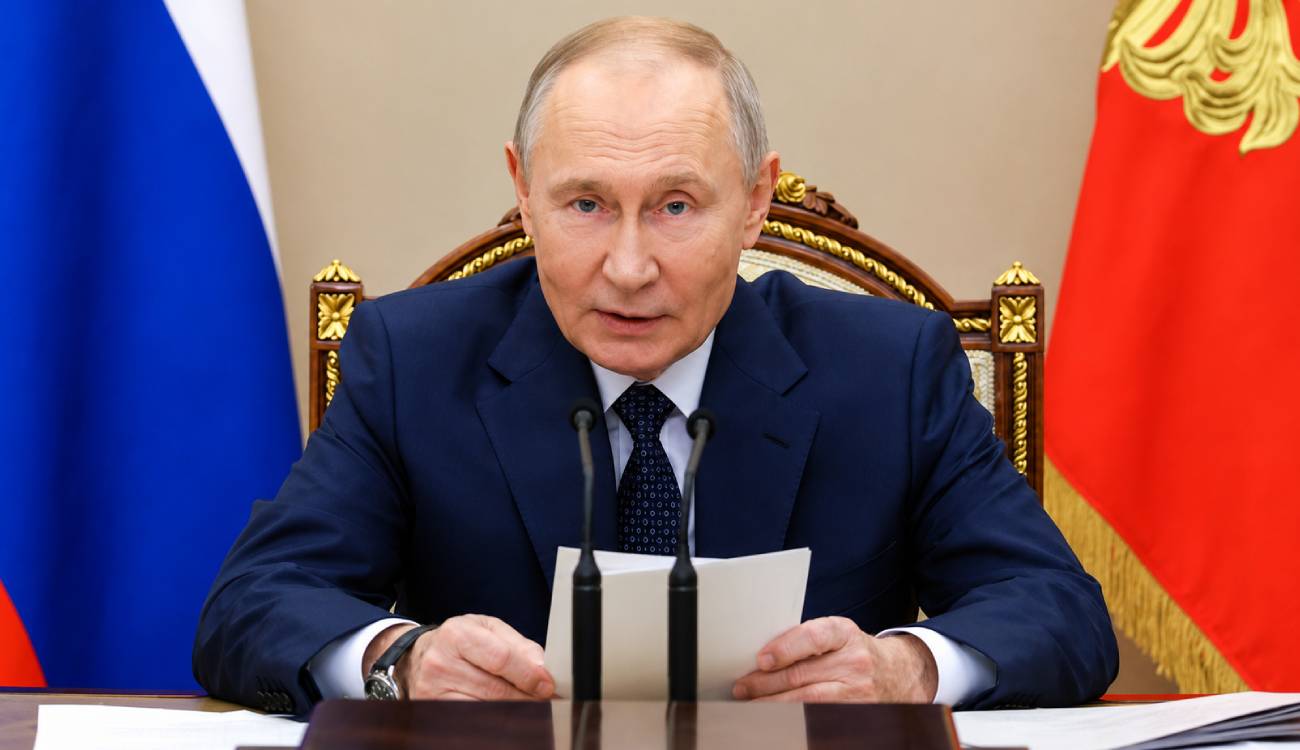
The Russia-Ukraine conflict has generated so many “beginning of the end” moments that have turned out not to be that, that a degree of analytical fatigue is understandable. But Putin’s repeated statements this week — including in a significant address to a combined audience of business figures and regional governors — were more specific than usual and deserve to be taken seriously on their own terms.
The core of what he said: the war has achieved what it needed to achieve in terms of demonstrating that NATO expansion to Ukraine was not acceptable to Russia, that the military balance in eastern Ukraine reflects the situation on the ground, and that Russia’s economy has proven resilient enough to outlast the most severe sanctions package in history.
From that position, he argued, Russia can negotiate from a position of strength rather than necessity.
What “Strength” Actually Looks Like Right Now
The honesty that sometimes emerges in speeches to domestic business audiences — rather than international press conferences — is useful here. The Russian economy has performed better than Western sanctions designers expected, particularly in the immediate term. Oil export revenues redirected through India, China, and Turkey have maintained fiscal capacity. The ruble has stabilised.
But the medium-term costs are accumulating. Technology isolation is affecting industrial sectors that depend on Western inputs. Brain drain — professionals and skilled workers who left in 2022 and haven’t returned — has created capacity gaps. Capital formation is constrained. Consumer imports have been replaced by lower-quality alternatives or simply gone without.
Putin’s “strength” framing is real but partial. It accurately describes the military and fiscal situation without fully accounting for the structural economic costs that compound with time.
Ukraine’s Position
Ukraine has been fighting this war under conditions that, two years ago, almost no observer thought were sustainable. That it has sustained the fight reflects both Ukrainian determination and Western material support that has been, despite rhetorical complications, substantial.
The current moment features genuine uncertainty about continued US support under the new administration. That uncertainty changes Ukraine’s negotiating position — not necessarily toward concession, but toward a calculation about what is achievable versus what is not.
Peace requires both parties to want it on terms the other can accept. That condition has not yet been met. Putin’s statement is a signal, not a settlement.