


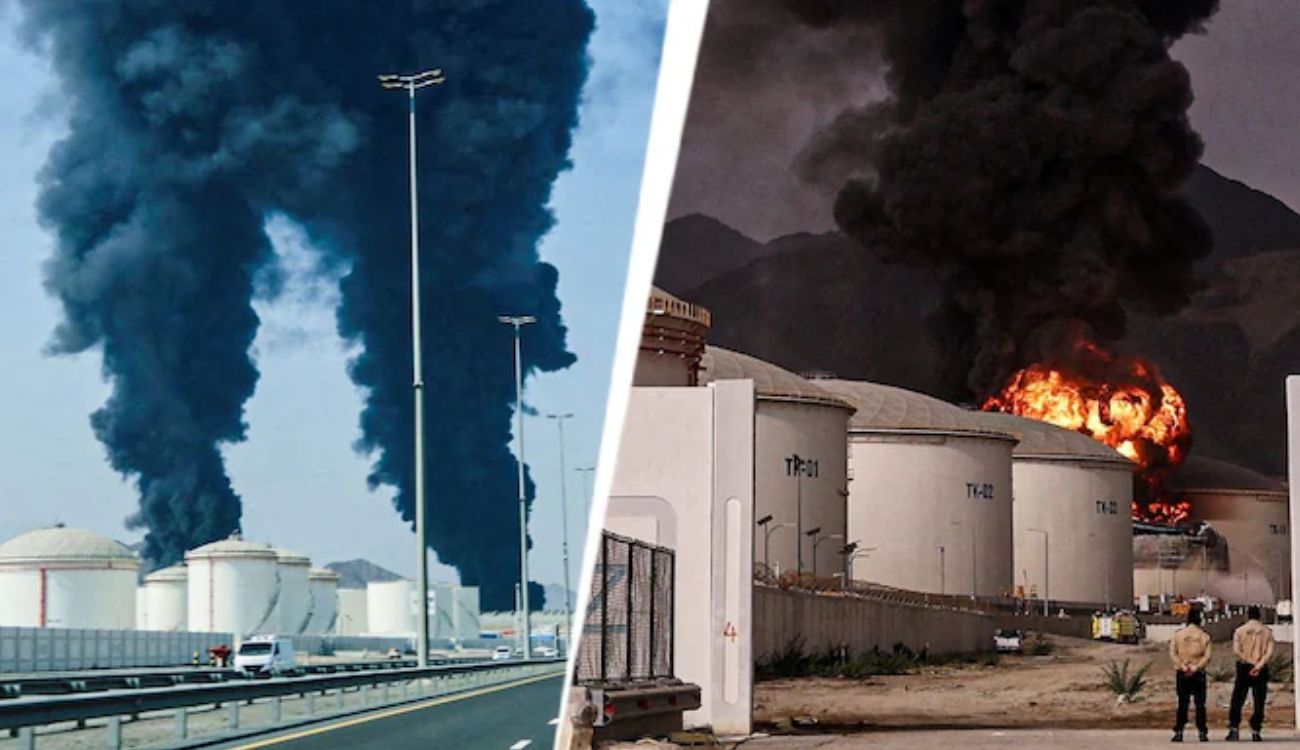
Iran launched missiles at targets in the UAE on Thursday despite the active ceasefire that has been in place between Iran and Israel for the past several weeks. The strikes, targeting what Iran described as “Zionist-linked infrastructure,” represent a significant escalation in a conflict that many observers had hoped was cooling.
The question of why Iran would strike UAE during an active ceasefire has several possible answers, none of them mutually exclusive.
The Strategic Logic
Iran’s relationship with the UAE has been complicated for years by UAE’s Abraham Accords normalisation with Israel and by the presence in the UAE of business infrastructure — financial institutions, logistics companies, technology firms — that Iran accuses of servicing Israeli economic interests under sanctions pressure.
The strikes may be intended to send a message to Arab states that normalisation with Israel carries costs: that the Gulf’s physical proximity to Iran means continued exposure to Iranian reach regardless of what the US security umbrella might promise.
There’s also a domestic Iranian political dimension. The ceasefire with Israel has been contested within the Iranian revolutionary establishment — hardliners who oppose what they see as capitulation. Action against UAE targets allows the IRGC and its hardline backers to demonstrate that Iran hasn’t entirely stood down even if the direct Israeli confrontation is paused.
Why UAE Specifically
UAE presents a target profile that is politically manageable in a way that attacking Saudi Arabia or Jordan would not be. The UAE has economic and security relationships with Iran — large Iranian diaspora business communities in Dubai, trade relationships that have persisted through sanctions — that mean direct military confrontation has historically been avoided.
But that same business exposure makes UAE economically vulnerable to Iranian signalling. Damage to Dubai’s infrastructure or its business confidence sends a financial message that resonates in global markets.
What Comes Next
UAE’s government will face pressure to respond — militarily or through diplomatic channels — in a way that doesn’t invite further escalation. The US Fifth Fleet’s presence in Bahrain adds another dimension to how UAE calibrates its response.
The ceasefire between Iran and Israel, for now, holds. Whether Thursday’s strikes in UAE change the calculus depends significantly on Israel’s assessment of whether the action implicates it directly.