


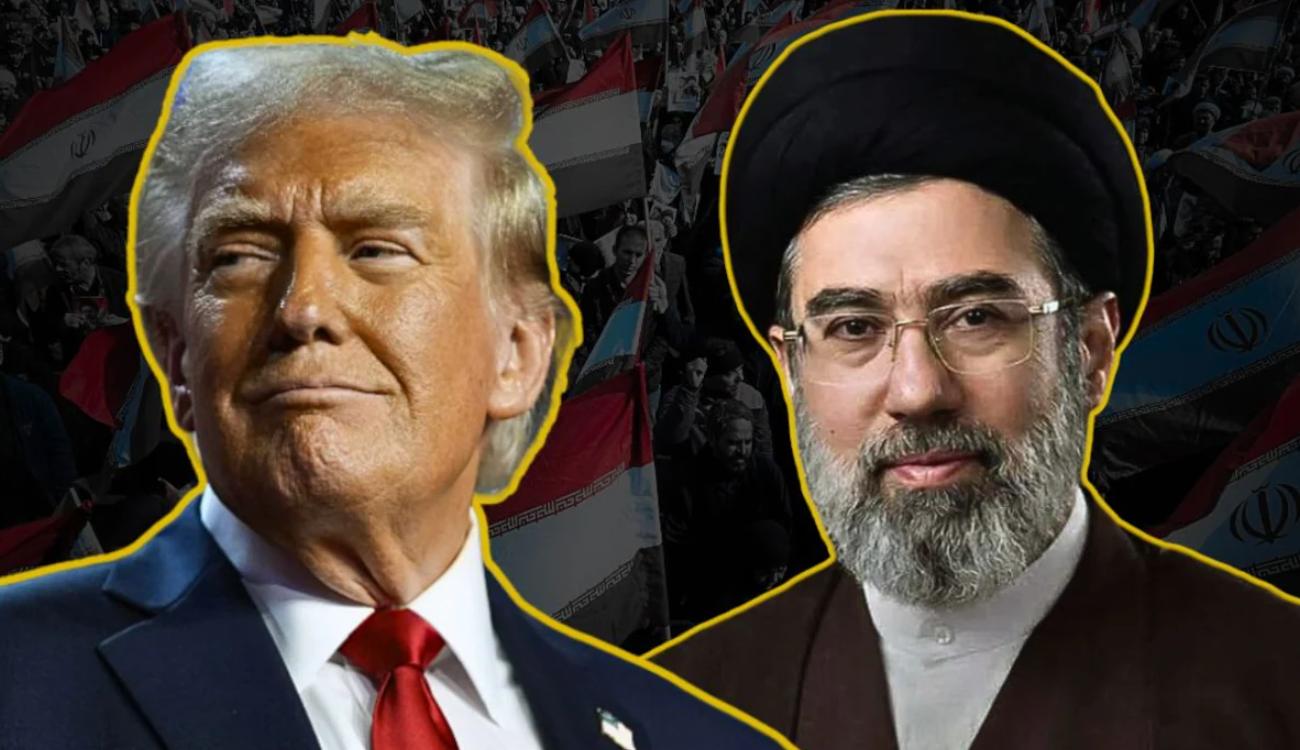
Peace talks between the United States and Iran began in a location that has not been officially disclosed — described in diplomatic communiqués as “a neutral venue in the Gulf region.” The talks are being facilitated by Oman, which has historically served as a back-channel intermediary in US-Iran relations, most recently in the preliminary contacts that led to the nuclear negotiations of the Obama era.
Trump, speaking at a White House briefing, described Iran’s leadership as having “no cards left to play” — a characterisation that is both tactically true in some respects and diplomatically impolitic in the ways that such statements usually are.
The State of Play
Iran entered the talks in a position that has deteriorated significantly from where it was three months ago. The military strikes on nuclear infrastructure have set back the programme in ways that will take years to rebuild, according to external assessments. The economy, already under severe sanctions pressure, has been further squeezed by the conflict-related insurance and shipping disruptions affecting Iranian exports.
The Iranian delegation’s objectives, as described by diplomatic sources, include: a ceasefire with guaranteed terms, sanctions relief in exchange for nuclear limits, and some form of security guarantee against future strikes. The US objective, again from diplomatic sources, is a comprehensive agreement that addresses Iran’s nuclear programme and its support for regional militant groups.
Why Talks Are Happening Now
Both sides have calculated that continued military confrontation is costlier than a negotiated outcome. Iran because the military balance is unfavourable and the economic costs are mounting. The US because the regional disruption — oil prices, shipping, the welfare of American allies in the Gulf — creates domestic political pressure that a war without clear victory conditions doesn’t resolve.
Talks beginning is a positive sign. What actually gets agreed, and whether it holds, is the harder question.