


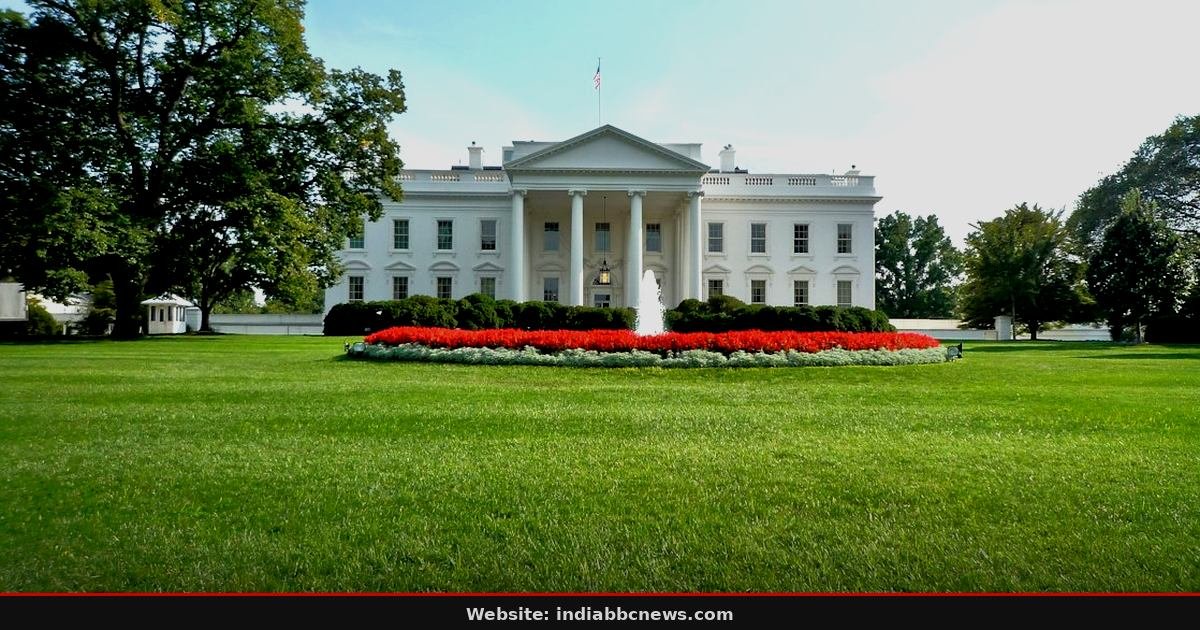
Trump Signs Order To Freeze The Oval Office: A Legal Bluff Or A Historical Trick?
Donald Trump signed an executive order on Thursday declaring the Oval Office a national monument. It is a move designed to stop future presidents from tearing down his gold-plated version of the room. By pinning the office to federal heritage law, he has effectively walled off the White House’s most iconic symbol for the next four years, or until a court strikes it down. The order is bold, but it is also fraught with legal contradictions that history suggests will lead to messy litigation. It’s a power grab disguised as preservation.
The 1934 Design Threats And The Gold Plaque Era
The current layout of the Oval Office dates back to 1934 when Franklin D. Roosevelt expanded the room. FDR wanted more space for meetings, so the architect pushed out the walls. That specific blueprint has stayed mostly intact for nearly 9 decades.
Now, Trump has layered a heavy, decorative gaze on top of it. He claims the building was “badly damaged” and full of broken windows. He tried to frame his renovations as necessary repairs, not aesthetic shifts. But the addition of a massive exterior gold plaque and the paving over of the Rose Garden are not repairs.
They are statements. And those statements are now codified in federal law.
Critics argue that the definition of “substantial impairment” in the order is dangerously vague. The document says the president can still redecorate and change furnishings. It allows for “ordinary operational and security modifications.” This creates a legal gray zone that will invite lawsuits immediately. If a future president wants to remove the gold, can they?
The order says no, as long as the “architectural character” remains. But who defines character? It’s a question that will keep constitutional lawyers busy for years. The line between preservation and political entrenchment is razor-thin here.
And it’s already starting to blur. This order comes months after Trump ordered the complete demolition of the White House East Wing. That project was not approved by Congress, which is a violation of long-standing protocol. The administration is building a new ballroom on the site. They are doing it while facing multiple legal challenges.
East Wing Demolition Reveals The Real Motivation
The East Wing is gone, and the new structure is rising. This sets a dangerous precedent for unchecked presidential power over federal property. By declaring the Oval Office a monument, Trump is trying to create a shield for his changes. He is asking the public to accept his version as the only valid history.
That is a harder sell than it sounds. The juxtaposition is ugly. On one side, you have a president tearing down a historic wing without permission. On the other side, you have the same president signing an order to protect another part of the same building. It’s selective protection, driven by ego rather than conservation.
The East Wing had a clear historical function. The gold features in the Oval Office have no historical function at all. They are purely personal. Yet, the law treats them as sacred.
This double standard is the most honest part of the order. It shows exactly who is in control. And it shows that the rulebook is being rewritten on the fly.
Lobbyists, Lawyering And The National Park Service
The order calls for the National Park Service to maintain the space. This is a strange bureaucratic choice. The Park Service usually manages parks, not working offices. They are not equipped to manage a high-security presidential workspace.
But they are also politically insulated. Putting them in charge adds a layer of federal protection that is hard to peel off. It turns a room into a managed site. It turns a workplace into a museum exhibit.
The NPR will have to enforce the “historic character” clause. That is a mandate that is impossible to ignore. And it is one that will require constant policing of who touches what, and when.
Greg Werkheiser, a historic preservation lawyer, called the move hypocrisy. He noted that the administration has sued to weaken preservation laws elsewhere. “They are taking an axe to the law that allows us to preserve other sites,” he told the BBC. He has seen this type of maneuvering before. It usually fails in court because the intent is political, not cultural.
The National Park Service will likely resist taking on this enforcement role. But they have no choice now. The paperwork has been filed. The seals are affixed.
The bureaucracy is now the battleground. And the first fight will be over a chandelier, or a door handle, or a wall color. It sounds small. It isn’t.
What This Means For India’s Diplomatic Corps
For India, this is not just trivia. It is a signal about how the world’s most powerful leader views symbols of power. India is currently hosting high-level diplomatic meetings in its own historic palaces. Our President and Prime Minister are incredibly careful about not changing the decor of state suites.
We understand that the room is part of the message. Trump’s move tells Indian diplomats that the US is moving away from neutral, functional spaces. It is moving toward personalized, ego-driven environments. This affects how Indian negotiators approach the room.
They will now be sitting in a space that is legally defined as a monument to one man’s taste. That changes the psychological dynamic. It makes the US feel less like a neutral forum and more like a personal throne room. And that has implications for bilateral talks on trade and security.
Indian officials have already noted the shift in atmosphere. They are adjusting their protocols. It’s a subtle change, but it matters.
Indian markets should also watch this carefully. When a leader spends this much political capital on interior design, it is a distraction from policy. The executive order was signed while Republicans lost major ground in midterm elections. This suggests a government looking for headlines rather than legislation.
For Indian exporters and investors, this is a warning. The US administration is erratic and image-obsessed. Policies may change overnight, just like the carpet in the Oval Office. We must prepare for unpredictability.
The gold plaque outside the Oval Office is a reminder that visual impact often outweighs substantive governance in Washington. And that is a risk that New Delhi cannot afford to ignore. It is a lesson in reading the room, literally. And we are reading it.
The Legal Quagmire Waiting For A Future President
If a Democrat wins the next election, what happens? They can’t just remove the gold. They have to go to court. They have to prove that the order is an illegal use of executive power.
This will take years. In the meantime, the gold stays. The order also protects the surrounding rooms. This expands the “monument” status beyond the Oval itself.
It creates a protected zone. This is similar to how presidents have used emergency powers to protect their own agendas. It’s a strategy that relies on the public forgetting. By the time the next court battle ends, the current administration will be gone.
But the legal precedent remains. And that is the real prize. They are not just saving a room. They are saving a method.
A method of using presidential power to entrench personal choices into federal law. It is a playbook that other leaders will study. And copy.
Historians will look back on this with a mix of amusement and concern. The Oval Office has changed before. Truman moved the walls. Eisenhower added the ceiling.
But none of them signed an order to forbid the next guy from changing it. That has never been done. It is unprecedented. And unprecedented is usually a bad word in legal terms.
It means there is no clear precedent to follow. It means every step is a gamble. The next president will face a choice. Do you respect the order?
Or do you sue to overturn it? Either way, it becomes a political issue. It becomes a campaign promise. “I will remove the gold” is a viable slogan. It’s absurd, but it’s possible.
And that is when the real trouble starts. The room becomes a proxy war. And the country splits over a plaque.
Frequently Asked Questions
Why did Trump sign this order?
Trump wants to protect his specific aesthetic changes to the Oval Office. He claims future presidents might destroy the “historic character” he created. By designating it a national monument, he makes it legally harder for others to revert the changes.
Can a future president remove the gold features?
Not easily. The order restricts changes that “substantially impair” the historic structure. A future president would need to prove the gold features are not part of the historic character. This will require a lengthy legal battle in federal court.
How does this affect the White House East Wing?
The order does not protect the East Wing, which has already been demolished. It specifically targets the Oval Office and surrounding rooms. This suggests the policy is selective, focusing only on spaces Trump has personally redesigned.
Is the Oval Office officially a national park?
No. It is designated as a national monument under the order. This means the National Park Service has a role in its maintenance. However, it is still a working office, not a public park like Yellowstone.
Source: BBC World
Source: BBC World

