


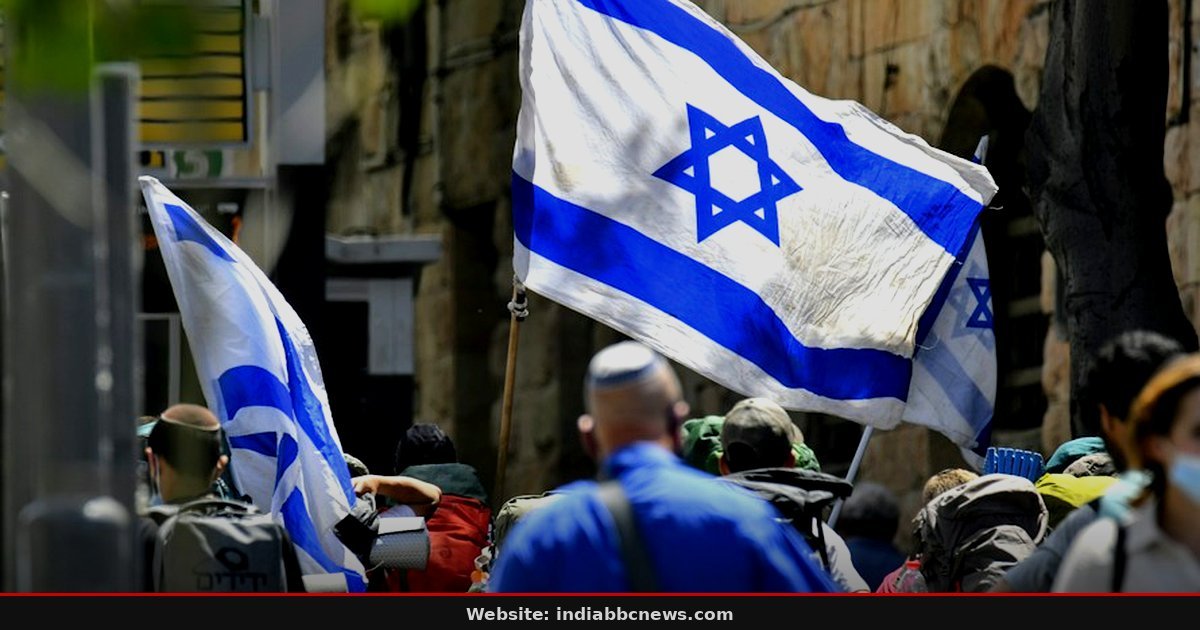
Jerusalem was quiet on Thursday, a stark contrast to the shouting matches that had dominated the past 72 hours. The Knesset had dissolved itself weeks ago, and now the real work began: figuring out who gets the first crack at building a government before the deadline runs out. President Isaac Herzog is sitting in his office, phone ringing nonstop, trying to weigh the fragile math of a fractured parliament where no single party holds a majority.
It’s a situation that feels all too familiar to anyone who has watched Israeli politics spiral into chaos over the last 2 legislative terms. The stakes are incredibly high, as the country remains mired in a grinding war on multiple fronts while its internal political machinery grinds to a near-halt. Nobody in the room looked convinced that a stable government was imminent; instead, the mood was one of cautious, desperate calculation.
The Math That Doesn’t Add Up
Benjamin Netanyahu’s Likud party came away with the most seats, but not even close to the 61 needed to form a coalition. That’s a harder sell than it sounds, especially when you consider that his closest rivals are refusing to sit in the same room with him. Yair Lapid’s Yesh Atid party took the second-largest bloc, followed closely by Benny Gantz’s Blue and White faction, but their combined numbers are still shy of the magic number.
The religious parties, particularly the ultra-Orthodox Shas and United Torah Judaism, hold the balance of power and know it; they’ve already signaled they won’t join a centrist government. And that leaves the Arab-list parties, who have historically blocked coalition talks with Netanyahu, potentially becoming the decisive vote brokers in a political chess game that seems rigged against them. The clock is ticking, and every hour passes, the pressure on Herzog mounts as reporters swarm his office seeking a sliver of hope from the walls.
Historically, when the Knesset fails to elect a prime minister within 42 days, the entire assembly dissolves and elections are called again, a process that is both expensive and deeply exhausting for the public. This is the third election in two years, a record for Israeli democracy that can’t be ignored by anyone claiming stability is just around the corner. The fatigue is palpable, and it’s arguably more dangerous than the political gridlock itself because it erodes the public’s faith in the system before a solution is found.
Netanyahu’s Gamble on Survival
For Benjamin Netanyahu, this isn’t just about governing; it’s about staying out of prison, a reality check that colors every strategic move he makes. His defense team has been fighting on multiple fronts while he fights for his political life, a dual struggle that has kept him resilient despite overwhelming odds. He needs allies, but his options are limited to the right-wing and religious blocs, many of whom are skeptical of his ability to secure the full term.
“I am not going anywhere,” he said confident to journalists at a press conference that looked staged but felt urgent, a message aimed at both his base and his potential partners. His rivals argue that this desperation is clouding his judgment, making him more willing to make bizarre concessions that could further destabilize the government if one is formed. The core of Netanyahu’s pitch is security, arguing that only he has the experience to manage the ongoing conflict with Hamas and the tensions with Hezbollah.
But that argument grows weaker with every week that passes, as the failure to fully secure Gaza or deter Iran suggests that experience alone isn’t enough without a coherent strategy. His ability to form a government hinges on whether the religious parties will believe his promises of influence over courts and civil service, a trust that is currently in tatters. If he fails, the economic consequences could be severe, with investors already pulling out of long-term bonds due to the uncertainty surrounding the next administration.
This is a high-stakes gamble, and unlike previous elections, the global context is much less forgiving of Israeli political dysfunction. On the other side of the aisle, the alliance between Lapid, Gantz, and the Arab-list parties is a marriage of convenience that creaks under its own weight. Their leader, Yair Lapid, is trying to position this bloc as the “adults in the room,” capable of bringing stability and restoring international confidence in Israel.
The Fragile Centrist Alternative
However, the ideological gaps between secular centrists and religious-left parties, as well as the deep mistrust between Jewish and Arab politicians, make coalition talks rocky from the start. “We are the only option that represents the majority of Israelis,” Lapid told reporters in a rare joint appearance with Gantz, a statement that felt more like a plea than a promise. Their challenge is not just forming a government, but keeping it alive in a parliament where a single defection can bring it down in a matter of days.
This centrist bloc has governed before, but in a context that was far less volatile than the one we face today, with fewer existential threats and less internal polarization. Now, they have to manage a war, a refugee crisis, and a judicial overhaul that has divided the society, all while trying to build a consensus among partners who barely speak to each other. The Arab-list parties, led by the joint MK list, hold 15 seats, which is enough to be the hinge, but they face intense pressure from their own bases to hold firm against Netanyahu.
Can a government that requires the votes of its most polarized critics actually function, or will it be a paper tiger that collapses under the first real pressure test? The answer likely lies in the next 2 weeks, as Herzog consults with each faction to gauge their true intentions before making a final decision on who gets the mandate. For India, the political paralysis in Jerusalem is not just a distant news story; it’s a direct threat to energy security and strategic positioning in the Middle East.
India’s Stakes in the Middle East
India imports over 60% of its crude oil from the region, and any prolonged instability in Israel could ripple through shipping lanes, particularly if the conflict expands to Lebanon or Iraq. The Indian diaspora in Israel, number in the hundreds, thousands, is also affected, with reports of increased anxiety and travel restrictions that complicate family visits and business ties. New Delhi has traditionally maintained a quiet neutrality, but with the Biden administration pushing for a unified Western response, India is being forced to take a clearer stance on the ceasefire negotiations.
That’s a tricky position, as India cannot afford to alienate either side, but it also cannot ignore the humanitarian crisis that is unfolding in Gaza and the broader implications for its own foreign policy credibility. Furthermore, the tech partnership between Indian startups and Israeli defense firms is at the heart of India’s “Make in India” defense strategy, a collaboration that requires political stability in both countries to flourish. If the Israeli government collapses and goes to another election within months, defense contracts and technology transfers could be paused, setting back India’s military modernization plans by years.
Indian analysts argue that a centrist government led by Lapid or Gantz would be more predictable and easier to work with for long-term strategic deals, whereas a Netanyahu-led government, while durable, is more erratic. The key for New Delhi will be to ensure that bilateral ties remain insulated from the political ups and downs in Jerusalem, a buffer that has held in the past but is under strain now. India’s role as a mediator, particularly with the Gulf states, could also be enhanced if it manages to foster a dialogue that sees Israel as a partner rather than a problem, a diplomatic lever it hasn’t fully utilized yet.
What Happens Next?
President Herzog is expected to make a decision within the next 10 days, after consulting with the party leaders to determine who has the best chance of forming a viable coalition. If he chooses Netanyahu, the process will begin, and the Knesset will have 28 days to approve a government or the entire cycle repeats. If he chooses Lapid or another candidate, the math becomes even tighter, and the risk of failure increases exponentially, leading to the prospect of a fourth election.
The markets are watching the shekel closely, and any hint of instability is being punished, with the currency sliding against the dollar for the second consecutive week. This is a critical juncture, and the next 2 weeks will define the trajectory of Israeli democracy for the next several years, with implications that extend far beyond the borders of the country. The world is watching, and the outcome will shape not just the internal dynamics of Israel, but the entire geopolitical landscape of the Middle East.
Whether it’s a victory for the right-wing establishment or a shift toward centrism, the stakes are higher than ever, and there is no room for error. For now, the leaders are talking, but the people are waiting, and the silence in Jerusalem is louder than any speech could be. The previous government collapsed due to deep policy disagreements over judicial reform and war strategy, leading to a snap election that resulted in a fragmented parliament.
Frequently Asked Questions
Why did Israel go to another election without a clear winner?
No single party or alliance secured the 61-seat majority required to form a government, leaving the country in a state of political limbo that has now become routine. Isaac Herzog is the ceremonial head of state, but in this specific crisis, he holds the key power of deciding which party leader gets the first chance to form a coalition. His decision is based on consultations with party leaders and is intended to prevent a swift return to the polls, making his judgment a critical factor in the political outcome.
Who is President Isaac Herzog and what is his role in this process?
How does this political instability affect the ongoing war?
It complicates military decision-making by introducing uncertainty about the government’s long-term strategic goals and commitment to certain policy lines. Military commanders operate under a mandate that can shift overnight if the government collapses, creating a layer of risk that opponents have quickly tried to exploit. Prolonged uncertainty in Israel could affect regional trade routes and energy prices, particularly if the political vacuum leads to a wider conflict in the region.
What are the potential impacts on the global economy?
Global investors are cautious, and the instability has already led to a slight dip in regional tech stocks and a weakening of the shekel, which could have spillover effects on allied currencies. India’s energy imports and strategic defense partnerships are at risk if the political situation deteriorates further, requiring New Delhi to carefully manage its diplomatic ties. The instability also complicates the working relationship with Israel, which is a key partner in India’s defense modernization and tech initiatives, potentially delaying critical projects.
How does this affect India’s interests?
Source: NYT World
Source: NYT World

