


Kanimozhi Hits Back at CM Vijay: ‘You Mobilise Votes, But You Wont Keep Kids Safe’ as DMK Women’s Wing Ignites Protests
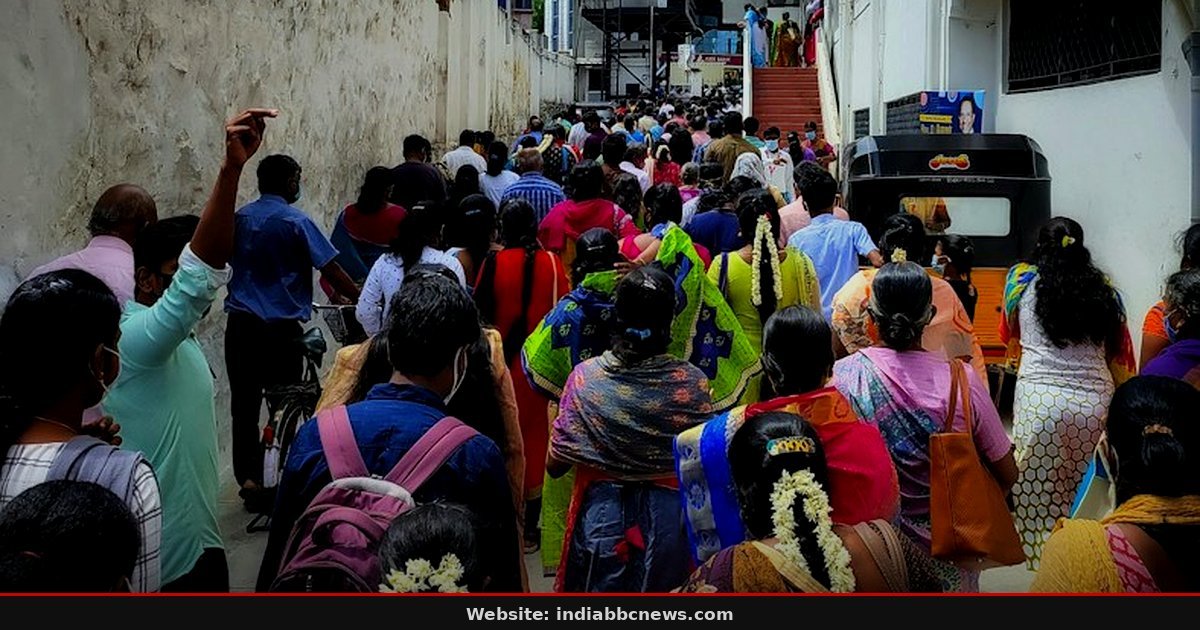
Chennai woke up to the sound of chanting women. It was not a regular morning. The DMK women’s cadre had taken to the streets, their voices raw and loud, demanding an end to what they call a crisis of price hikes and crumbling law and order. At the center of the storm is Kanimozhi, the DMK MP who did not mince words in her latest attack on Chief Minister K.P. Vijay.
She accused the state government of a sickening hypocrisy: seeking the support of schoolchildren for political mobilization while failing to ensure their basic safety. That is a charge that stings. It cuts to the heart of how power is currently being wielded in Tamil Nadu, and it has set off a firestorm that political analysts say will not die down by the weekend.
The Price Tag of Survival in Tamil Cities
The protest is not just about politics. It is about the price of milk, the cost of vegetables, and the rent going up faster than wages. In Chennai, a single mother of two tells reporters that her grocery bill has jumped by 40% in the last 6 months. She is not alone.
Across Madurai, Coimbatore, and Tirunelveli, the ground is shifting beneath the feet of the working class. The DMK women’s wing argues that the state government is turning a blind eye to this economic squeeze. They point to specific items where the subsidy has effectively vanished, leaving families to pick up the slack. This is not a new complaint, but the intensity has changed.
The anger is personal now. It is not abstract economics; it is an empty plate on the table.
Economists usually say that inflation is a global problem, but the local reality is what hurts. When the price of a basic staple goes up, the social contract breaks. The resistance is organized, but it feels spontaneous. Women who have been silent are now speaking out.
They are holding placards that are not printed by machines but scribbled by hand, a detail that adds a layer of authenticity to the movement. The government denies any surge in hardship, but the market prices tell a different story. Nobody in the room looked convinced when officials insisted that the crisis was exaggerated. The data on the ground suggests otherwise.
This is a fight for survival, not just a poll canvass. Kanimozhi did not go easy on the Chief Minister. She argued that while CM Vijay campaigns on child welfare, the actual infrastructure for their safety is rotting. She cited instances where schools lack proper guards and where transport routes are unsafe for young students. “You ask them to vote, but you don’t ask if they are safe,” she said in a statement that has spread like wildfire on social media.
Kanimozhi’s Blunt Attack on Child Safety
This is a tactical move. It links the political mobilization of minors to a failure of state duty. It is a hard pill to swallow for the ruling party. They have spent years building a narrative around education and youth.
Now, that narrative is being torn apart in public. The implication is dangerous for the AIADMK. It suggests that the government is prioritizing political numbers over human dignity. That is a harder sell than it sounds.
The opposition is capitalizing on this gap. They are not just critiquing policy; they are questioning the moral authority of the leadership. In past cycles, such accusations were brushed aside as partisan noise. But this time, the sentiment is resonant.
Parents are listening. They are worried. They see their children being pulled into political rallies, often without proper supervision or safety protocols. The question lingers in the air: who is actually looking out for the kids?
Kanimozhi’s argument is simple but powerful. You cannot have a healthy democracy if the most vulnerable are being used as props. It is a rhetorical question that the government cannot easily answer without admitting fault. The silence from the CM’s office is deafening so far.
Women’s Wing Takes the Wheel
Historically, the men have run the shows in Tamil Nadu politics. The women’s wing, while powerful, often stayed in the background, supporting the male leadership. That has changed. The DMK women’s cadre is now leading the charge, demanding accountability and centering their own issues.
This is a shift that cannot be ignored. It reflects a broader national trend where women are no longer willing to be just part of the electoral arithmetic. They want seats at the table where decisions are made. In this protest, they are not asking for favors.
They are demanding justice. The energy on the streets is different. It is more disciplined, yet more aggressive. The slogans are sharper.
The targets are clearer. This is not a side show; it is the main event.
Observers note that this mobilization could reshape the party’s internal dynamics. If the women’s wing proves it can hit hard and stay hard, it will demand more say in election strategies. The current crisis has given them the perfect stage. They are not just protesting prices; they are redefining their role in the party.
It is a test of loyalty and strength. The leadership in Chennai is watching closely. Can they handle this new power base? Or will it become a liability?
The answer will come in the next few weeks. For now, the momentum is with the protesters. The government is on the back foot, struggling to find a counter-narrative. The women are not backing down.
That is the key takeaway. The dynamics of power in Tamil Nadu are shifting, and the women are driving the bus.
What This Means for India’s Political Fabric
This is not just a Tamil Nadu story. It is a microcosm of what is happening across India. In states from West Bengal to Karnataka, women’s issues are becoming central political battlegrounds. The DMK’s move to leverage the women’s wing is a strategy that other parties are watching.
It shows that the traditional male-dominated leadership model is cracking. For Indian readers, this signals a change in how political campaigns will be run in 2029. The focus will shift from big-man politics to issue-based mobilization. The impact on national markets is indirect but real.
Stability in Tamil Nadu, a key industrial hub, is essential for the broader economy. If unrest spreads, it could hit supply chains and investor confidence. The India angle is clear: the center cannot ignore the state-level ferment. It affects the union.
Moreover, the safety of children in political mobilization is a national concern. The Supreme Court has ruled on this before, but enforcement is weak. The DMK’s highlight of this issue puts pressure on the central government to act. If the CM is failing, is the Union doing better?
The answer is often no. This creates a opening for the opposition to coordinate attacks on safety standards across states. It is a unifying issue. It cuts across party lines and regional loyalties.
The Indian public is increasingly worried about the politicization of education. This protest taps into that fear. It is a valid concern. The implications go far beyond Tamil Nadu.
It challenges the entire approach to voter mobilization. The center must respond, or it risks looking out of touch. The stakes are high. The national narrative is shifting toward accountability and safety.
India cannot afford to let this slide. The message is loud and clear: protect the kids, or lose the trust.
Law and Order: The Cracking Foundation
The second pillar of the protest is law and order. The DMK women’s cadre alleges that the state is failing to protect citizens from crime. They cite specific incidents where police response was slow or non-existent. This is a serious accusation.
It strikes at the core of the government’s promise. When people feel unsafe, they turn to the opposition. The current administration has blamed this on opposition provocation. But the evidence is mounting.
Neighbors tell reporters that they are afraid to walk at night. The police are stretched thin. The mismatch between demand and supply is widening. This is not a partisan issue.
It is a humanitarian one. When safety fails, trust collapses. The government needs to show results, not just rhetoric. The citizens are tired of promises.
They want action. The situation is tense. It could spill over into more violent confrontations. The state needs to act fast.
Historically, Tamil Nadu has been one of the safer states in India. That reputation is at risk. The recent rise in crime rates, particularly against women and children, is alarming. The DMK is using this to its advantage.
They are framing the government as negligent. This narrative is powerful. It resonates with the middle class. It also appeals to the urban poor.
The combination is potent. The government is struggling to counter this. Their data shows improvements, but the lived experience tells a different story. This disconnect is dangerous.
It fuels the protest. The law and order crisis is not just a local issue. It is a symbol of broader governance failures. The government must address this head-on.
Ignoring it will only make it worse. The patience of the people is wearing thin. The next incident could be the trigger for a larger uprising. The vigilance is high.
The streets are watching. The ball is now in the Chief Minister’s court. He has 72 hours to make a significant move. If he stays silent, the protest will grow. If he responds with crackdowns, it will backfire.
What Comes Next? The Deadline for Response
The path is narrow. He must address the price hikes and the safety concerns directly. A policy announcement is needed. A price control order.
A crackdown on hoarding. A review of school security protocols. These are the expectations. Anything less will be seen as weakness.
The opposition is waiting to pounce. They are ready with data and arguments. The government cannot afford to be passive. The next 3 days are critical.
The decision to meet the protesters or ignore them will define the tone of the next election cycle. The stakes are high. The public is watching. The clock is ticking.
The outcome will shape the political landscape for years. The choice is clear. Act, or react with regret. The people are not waiting.
They are marching. The deadline is Friday midnight. Miss that, and the damage will be done.
Frequently Asked Questions
Why did DMK women frame protest?
The protest was triggered by rising food prices and a perceived failure in law and order. The DMK women’s wing, led by Kanimozhi, argues that the government is exploiting children for votes while neglecting their safety. This dual focus on economics and security has mobilized a large number of cadres.
What did Kanimozhi say about CM Vijay?
Kanimozhi accused CM Vijay of hypocrisy. She stated that he seeks the support of schoolchildren for political mobilization but fails to ensure their basic safety in school and transport. Her comments have sparked widespread debate on social media and in political circles.
How does this affect Indian markets?
The impact is indirect but potential. Tamil Nadu is a key industrial hub, and prolonged unrest could disrupt supply chains. Investors are watching the stability of the state. If the protest escalates, it may lead to a slight dip in regional stock exchanges and increased caution from foreign investors.
Is this a national trend?
Yes, women’s issues are becoming central to political mobilization across India. Parties are increasingly relying on women’s cadres to drive campaigns. This trend is likely to continue in the 2029 general elections, making gender-based policies a key electoral issue.
What is the government’s response?
The government has not issued a detailed statement yet. Officials have dismissed the protests as politically motivated and have blamed the opposition for creating unrest. However, silence is not a strategy. The lack of a concrete response is allowing the narrative to shift further toward the critics.
Source: The Hindu
Source: The Hindu

