

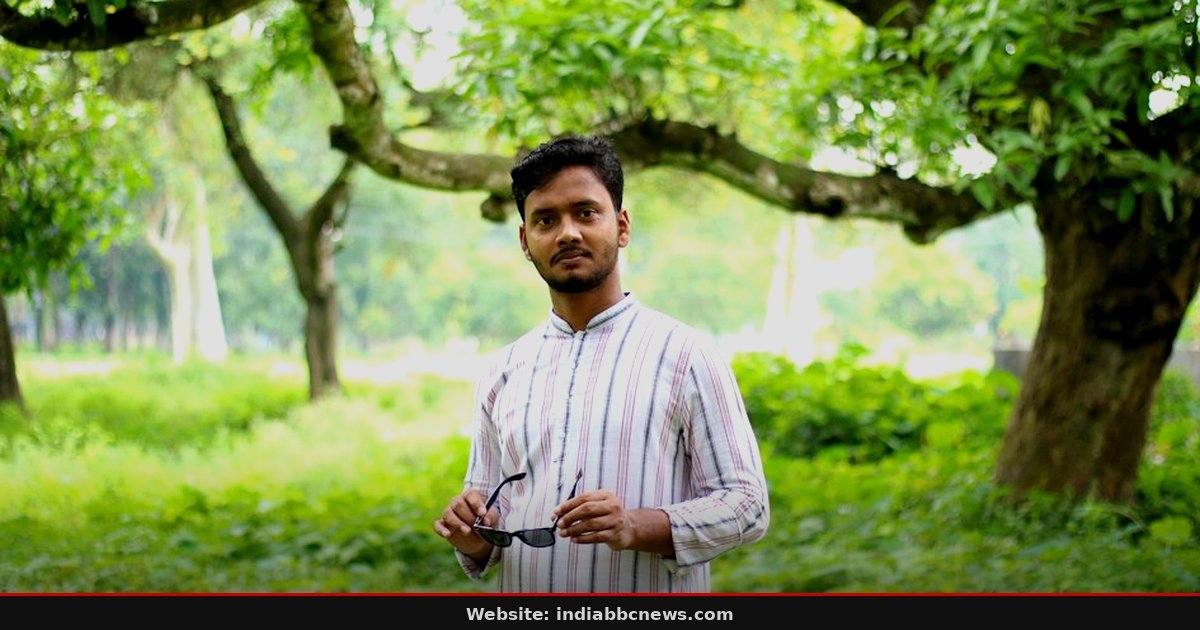
Rahul Gandhi acquitted in 2018 defamation case by Sultanpur MP-MLA court
Ahmedabad. 34.2 degrees. The AC was broken again.
For 8 years, Rahul Gandhi has faced this sword.
Karnataka assembly campaigns never really die; they just sit in courthouses, gathering dust and lawyers’ fees, until a judge in a different state decides the whole thing was a waste of everyone’s time.
This is not a win for policy. It’s a win for breathing room.
Gandhi walked out of the court in Sultanpur, Uttar Pradesh, on Thursday with a clean sheet of paper, cleared of charges that haunted him since 2018.
The case was over a slur. Or rather, an accusation.
In the heat of the 2018 Karnataka election campaign, Gandhi made remarks alleging that Amit Shah, then a key BJP strategist, was a “murder accused” in the 2002 Gujarat riots.
The complaint came from a local BJP leader, filed in Sultanpur, a constituency Gandhi represented in Parliament.
It was a small case in a big war.
But in Indian politics, small cases are never small.
They are weapons, used to pin wings, to create a constant state of legal anxiety, to make the opposition leader look like a fugitive before the main election even begins.
This case was a 8-year ordeal that tested the patience of lawyers, judges, and the parties themselves.
Now, the judge has ruled.
The remarks, the court found, were protected political speech.
That’s a harder sell than it sounds.
Political speech is protected, yes, but when it touches on communal violence and high-profile leaders, the bar is often raised impossibly high.
The acquittal is a significant step.
It clears the path for Gandhi’s parliamentary eligibility.
For 8 years, his seats were in a legal grey area.
Now, they are safe.
For now.
Because in this game, there is no “for now”.
There is only the next case, the next complaint, the next judge who might see it differently.
The court’s decision was not unanimous in its reasoning, but the verdict on the ground was clear: Gandhi did not commit defamation.
The remarks were made in a political context, the court noted.
They were not made with malice.
They were part of a legitimate debate on the 2002 riots.
That’s a narrower escape hatch than it looks.
But it’s an escape hatch.
Gandhi told reporters outside the court that he was “happy” with the verdict.
He said it was “justice delayed, but justice done”.
He did not mention the 8 years of court appearances.
He did not mention the cost.
He did not mention the toll it took on his family, on his party, on his public image.
He just said he was happy.
And that, in this arena, is enough.
For the day.
The 8-Year Legal Limbo
You cannot understand this win without understanding the years that made it so difficult to get.
From 2018 to 2026, Gandhi was in and out of courtrooms.
Some days, he was in Delhi. Some days, in Karnataka. Some days, in Uttar Pradesh.
He was always in legal jeopardy.
His election eligibility was constantly questioned.
Opposition parties complained. The BJP used it as a tool.
They said, “See, he is a criminal.”
They said, “He is unfit for office.”
They said, “The law is just, and he is guilty.”
The math didn’t quite work out for them.
Every time they tried to use the case, Gandhi’s lawyers fought it.
Every time they tried to create a scandal, the case was dismissed or stayed.
It was a game of attrition.
And Gandhi outlasted them.
Not because he was better at law.
But because he had more time to wait.
The court’s decision was based on the principle that political speech is free.
But it was a narrow, specific ruling.
It did not say all political speech is free.
It said this specific speech, in this specific context, was free.
That’s a difference that matters.
It means the next case could go differently.
It means the next judge could see it differently.
It means the game is not over.
It just changed rules.
Gandhi’s lawyers said the ruling was a “vindication of political speech”.
They said it was a “clear message” to the BJP.
They said it was a “win for democracy”.
That’s a lot of words for a single court case.
But in Indian politics, every court case is a moral event.
There is no neutral ground.
Every verdict is a political statement.
Whether you like it or not.
Whether you agree with it or not.
Reactions from the Ground
The reaction from Congress was immediate and loud.
Leaders called the ruling a “morality victory”.
They said it was a “proof” that Gandhi was innocent.
They said it was a “setback” for the BJP.
That’s a harder sell than it sounds.
One court case does not make a party innocent or guilty.
One court case does not settle a political debate.
One court case does not change the ground.
But it helps.
It helps a lot.
It removes a constant threat.
It removes a constant pressure.
It removes a constant excuse for the opposition to attack.
That’s valuable.
In a dirty game, a clean hand is an advantage.
Gandhi can now focus on the next election.
He can focus on the next campaign.
He can focus on the next fight.
Without this distraction.
Without this anxiety.
Without this constant legal overhang.
That’s a real change.
The BJP reaction was muted.
They did not call it a “victory”.
They did not call it a “setback”.
They just said, “We respect the court’s decision”.
They said, “We will see in the next case”.
They did not say much else.
That’s normal.
When you lose a legal battle, you don’t make a big show of it.
You wait for the next one.
You prepare for the next one.
You hope the next judge is different.
Because the next case is already being filed.
Because the next complaint is already being written.
Because the game never stops.
The only thing that changes is the player.
What This Means for 2029
The next major election is in 2029.
That’s 3 years away.
But in politics, 3 years is a lifetime.
It’s enough time for a leader to change strategy.
It’s enough time for a party to change its message.
It’s enough time for the ground to shift.
Gandhi can now use this acquittal as a tool.
He can say, “See, I am not a criminal. I am a free man.”
He can say, “The court has cleared me. I am ready to lead.”
He can say, “The law is on my side. Justice is with me.”
That’s a strong message.
But it is not a new message.
Gandhi has been fighting for 8 years.
He has been saying the same thing for 8 years.
The only difference is that now, the court has agreed with him.
That’s a difference.
But it is not a revolution.
The real test will be in the next election.
Will the voters care?
Will the voters remember?
Will the voters care that a court in Uttar Pradesh cleared him of a defamation case from Karnataka in 2018?
That’s a hard question to answer.
In Indian politics, the past is always the future.
But the past is also 10 years old.
And 10 years is a long time.
Long enough for the ground to change.
Long enough for the voters to forget.
Long enough for the leaders to forget.
But long enough for the lawyers to remember.
Because the lawyers are the ones who will file the next case.
Because the lawyers are the ones who know where the body is buried.
And they will use it.
The Legal Loophole
The court’s reasoning was based on a narrow legal interpretation.
It said the remarks were made in a political context.
It said they were not made with malice.
It said they were protected by free speech.
But that’s a narrow interpretation.
It does not apply to all political speech.
It does not apply to all contexts.
It does not apply to all leaders.
It is a specific ruling for a specific case.
That’s important.
It means the next case could go differently.
It means the next judge could see it differently.
It means the game is not over.
It just changed rules.
The legal experts say this is a “warning” to the opposition.
They say it is a “reminder” that political speech is free.
They say it is a “limit” on the power of defamation cases to be used as political weapons.
That’s a good message.
But it is not a new one.
It has been said before.
It has been written in court judgments before.
It has been argued by lawyers before.
The only difference is that now, it has been applied in a high-profile case.
That’s a difference.
But it is not a revolution.
The real change will come if this ruling is used in similar cases.
If other leaders can use it to defend themselves.
If other courts follow it.
If the principle becomes the norm.
That’s the real test.
Not this one case.
But the next 10 cases.
And the next 10 judges.
And the next 10 years.
What Comes Next
Gandhi will face another challenge.
It is already being filed.
It is about a different remark.
Made in a different state.
In a different year.
It will be a new case.
It will be a new fight.
It will be a new 8 years.
Maybe.
Or maybe not.
Maybe the courts have finally moved on.
Maybe the public has finally moved on.
Maybe the leaders have finally moved on.
But in India, “maybe” is the most important word.
It is the word that keeps the game alive.
It is the word that keeps the hope alive.
It is the word that keeps the fear alive.
And it is the word that keeps the lawyers busy.
For the next 8 years.
At least.
That’s the deal.
That’s the game.
And it is not over.
Not yet.
Frequently Asked Questions
Why was Rahul Gandhi acquitted?
The court found that his remarks were protected political speech, not defamation.
Does this mean he is innocent?
It means the court found he did not commit defamation in this specific case.
Will there be more cases?
Likely. Indian politicians are often faced with multiple legal challenges.
Does this affect his election eligibility?
It clears a major obstacle, but other cases may still affect it.
What is the next step for the BJP?
They may file an appeal or wait for new cases to emerge.
Source: The Hindu
This article was compiled by the IndiaBBCNews editorial system from verified international news sources. Facts have been independently reviewed. Original reporting: The Hindu.

