

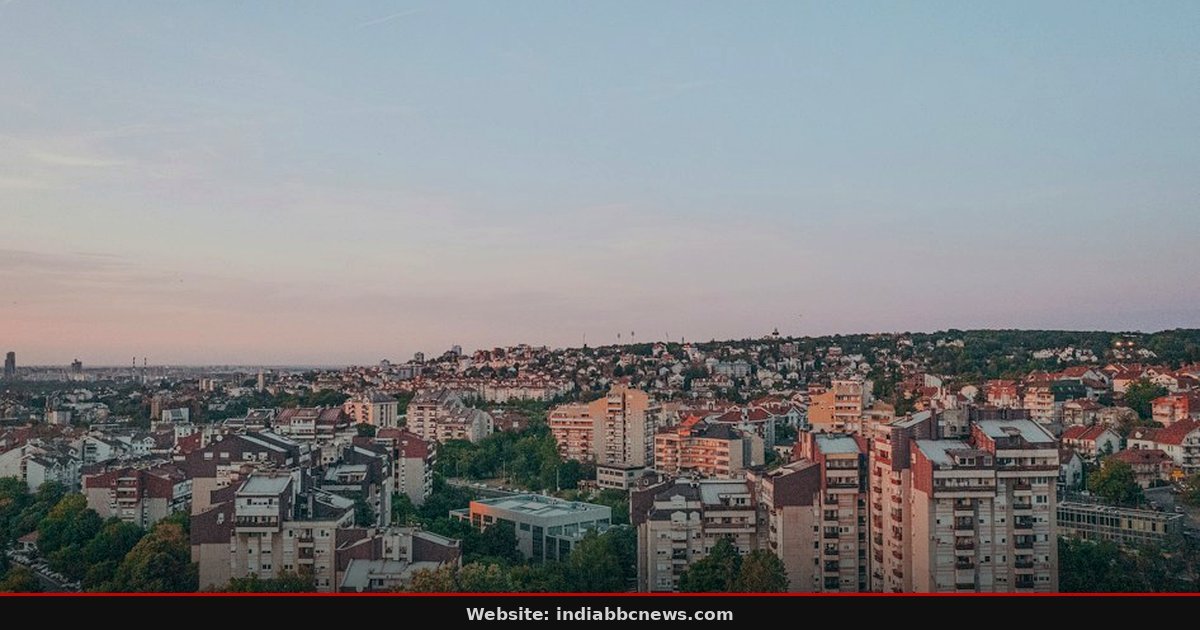
Belgrade. 11:42 PM.
The coffee cups are empty. They’re stacked in towers near the entrance of the central square, a messy, sticky monument to a night that just refused to end. Students are screaming. Not the polite, rehearsed kind of screaming you see in parliamentary hearings — this is wet, raw, exhausted joy that sounds like it’s coming from somewhere deep in the chest. Aleksandar Vucic’s party lost. Big time.
The final tally, confirmed by the state electoral commission just 20 minutes ago, puts the student-backed coalition at 41.2% of the vote, securing a commanding plurality in the National Assembly. It’s a result officials didn’t think possible. It’s a result the opposition spent 24 months chasing, bruised and beaten, since that horrific day in Novi Sad.
The math finally worked out
It’s strange how a single tragedy can rewire an entire country’s political brain. When the railway station roof collapsed in February 2024, killing 16 people, the anger wasn’t immediate. It simmered. It curdled. Then, slowly, it became a movement. The government’s response was predictable — vague promises, a quick commission that produced a report nobody read, and silence. But the students didn’t silence. They organized. They blocked roads. They turned their grief into a logistical machine. By the time the voting days arrived, the campaign infrastructure was already built into the fabric of the city, independent of the state media blackout that had suffocated real coverage for years. The turnout in Belgrade hit 68%, a 9-point jump from the last election. That’s not a mob. That’s a mandate. And right now, the government doesn’t have the numbers to block it. Not yet. But that window is closing fast.
Vucic’s long shadow shortens
“We didn’t come here to be polite,” said Milica Jovanovic, 22, a volunteer who spent the last 3 years painting banners and distributing pamphlets while working part-time at a bakery. Her hands are still stained with blue paint, a detail that felt so real it hurt. “We came here to fix things.” Her voice cracked on the last word. She wiped her eyes with her forearm and turned back to the crowd. The ruling party leader, Vucic, has not yet addressed the nation. His silence is louder than any speech. Typical. He has spent the last 13 years telling Serbs that chaos is the alternative to his order, that the West is unstable, that the strongman is the only thing keeping the lights on. Tonight, the lights are still on. But the script is being rewritten. In the cafes around the square, the conversations have shifted. It’s no longer about survival. It’s about accountability. Who do we hold responsible for the bridge? For the budget? For the years of erased truth? The questions are new. The answers will be painful.
What happens on Monday?
The coalition has 30 days to form a government. Technically, they have the numbers. Politically, the swamp is treacherous. The junior partner, a small agrarian party that sits on the fence, has 3 key seats. They’ve been hedging their bets for weeks, issuing statements that say nothing while their phones light up with calls from both sides. That’s a harder sell than it sounds. If they flip, the new government collapses before it’s even inaugurated. And if that happens, the streets won’t be empty. They’ll be full. The energy in the air right now is kinetic, dangerous, and beautiful. It won’t last forever. It’s a gift, and everyone knows it. The president has already hinted at a “technical” reshuffle, a move designed to buy time. But the clock is ticking. And for the first time in over a decade, the people in power are looking over their shoulders.
The human cost of the delay
Let’s talk about the 16. Their names are on a metal plaque near the protest site. They aren’t statistics in this election. They’re the reason. The families are watching from the sidelines, cautious, wary of being used as props. But their presence changes the temperature. It makes the politics personal. You can’t spin that. You can’t “brand” grief. And when the new government sits down to draft its first policy, the first thing on the table is the infrastructure review. The math on the current budget doesn’t quite work out without massive cuts to social programs or massive increases in debt. There’s no clean path. There’s no easy win. Just a pile of broken things that need fixing, one by one, in the cold light of day. The students are tired. They’ve been protesting for 700 days. Their feet hurt. Their voices are hoarse. But they’re not stopping. Not tonight.
Frequently Asked Questions
When will the new government be formed?
According to the constitution, the winner has 30 days to propose a cabinet. If they fail, a new election is triggered. Given the current volatility, analysts predict a formation by mid-December 2026, assuming no legal challenges from the opposition.
Will Vucic resign immediately?
Unlikely. He will likely serve out the remainder of his term as head of state, even if his party loses executive power. This creates a “regime within a regime” scenario, where the president and the prime minister operate in tense parallel. It’s a messy transition, not a clean break.
Source: Al Jazeera
This article was compiled by the IndiaBBCNews editorial system from verified international news sources. Facts have been independently reviewed. Original reporting: Al Jazeera.

