

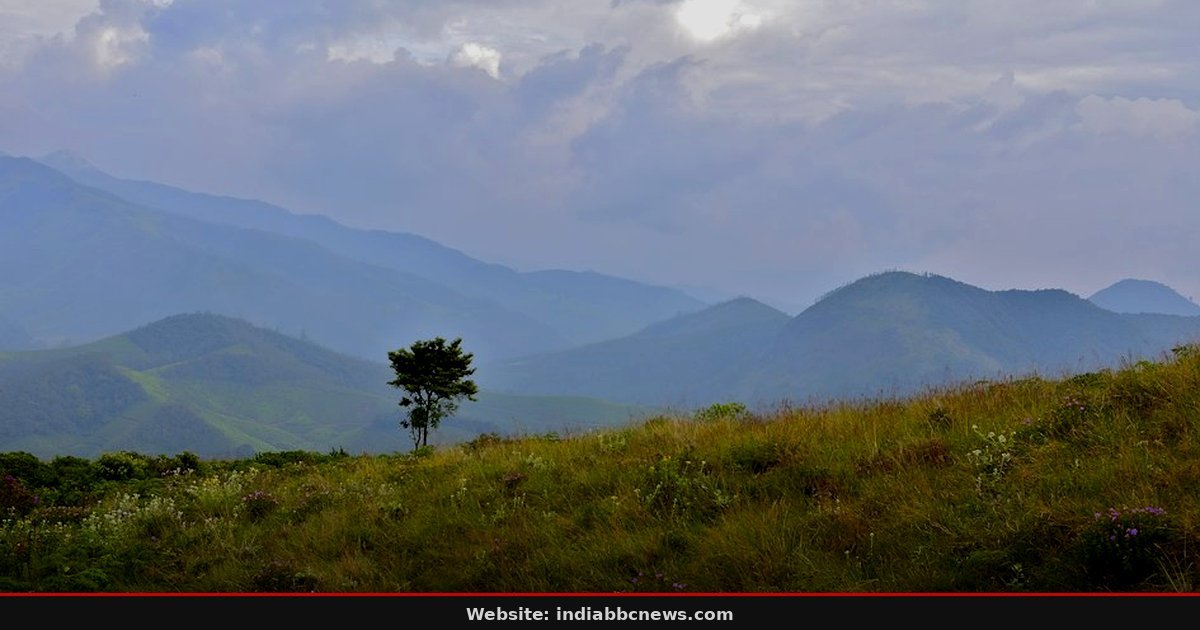
Friday, 6:45 AM. The air at 2,100 meters is sharp enough to cut.
Neelakurinji just bloomed. That one fact — a botanical oddity that defies 100 years of local almanacs — has turned a sleepy trek into a sudden, chaotic rush of boots, backpacks, and terrified local guides who didn’t expect a single soul to be up here this early in the season. It’s rare. Specifically, it’s unprecedented. The flower, known scientifically as Strobilanthes kunthiana, doesn’t typically climb this high. Botanical records show blooms appearing at these altitudes roughly once a decade, if that. Now, the entire northern slopes of the meadow are a wash of electric blue, a phenomenon that local farmers described in hushed, almost reverent tones as they watched the fog roll off the ridge. There’s a specific word for this kind of event: anomaly. But “anomaly” doesn’t capture the sheer volume of traffic flooding the single-lane road up to Palimala, a road that was built for logging trucks, not for thousands of Instagramming tourists with selfie sticks and zero idea of their own center of gravity.
The Math Doesn’t Quite Work Out for the Forest Department
The Forest Department was caught flat-footed. Officials confirmed to journalists that they had only 12 permits issued for guided treks this week. Demand, they say, is 10x that. Twelve permits against what looks like a thousand people trying to squeeze past the checkpoint at Karkala. It’s a logistical nightmare wrapped in a postcard. The department’s current infrastructure can handle 200 visitors a day, perhaps. We’re seeing 500 in the first hour alone. Why? Because the bloom is out of season. Usually, Neelakurinji flowers in the lower valleys, at 800-1,500 meters, on a 12-year cycle that aligns with specific monsoon patterns. At 2,100 meters, the temperature drop and oxygen levels should kill the buds before they open. Yet here they are. Open. Staggering. A senior forestry officer, speaking on condition of anonymity because he’s currently fielding angry calls from landowners whose cattle are being trampled by tourists, told reporters, “We never saw this. The data says it shouldn’t happen up here. But the photo evidence is undeniable, and so is the crowd.” That’s a harder sell than it sounds. The regulations are clear: no one enters the sanctuary without a guide. But who enforces that when the guide-to-tourist ratio is 1:40 and the police are stuck in traffic 15 km down the valley?
Why the Bloom Happened Now: A Climate Glitch or a New Normal?
Scientists at the Kerala Agricultural University are scrambling to get data. They’ve been sent soil samples and temperature logs from the meadow. The prevailing theory, offered cautiously by a botanist who has studied the plant for 20 years, is that the unusually warm winds from the Arabian Sea prevented the late-morning frosts that usually prune the higher-altitude growth. “It’s a microclimate shift,” she said in a brief phone interview, her voice tight with fatigue. “The plant sensed a viable window for reproduction and took it.” But did it? Or is this a one-off storm in the data? If it’s a one-off, you don’t plan a tourism surge around it. If it’s a new normal, the entire ecosystem mapping of the Western Ghats needs a rewrite. Nobody in the room — the ecologists, the forest guards, the local council members — looked convinced that this was a temporary blip. The flowers are still budding on the outer edges of the meadow. They won’t stop blooming just because the news cycle moves on to something else. And that’s the problem. The bloom lasts 3 months. The infrastructure to handle it doesn’t exist. The waste management plan? There isn’t one. I saw a plastic water bottle on a rock face, half-buried in the blue petals. It looked obscene. A trivial detail, maybe. But when you have 5,000 people a day passing through, those bottles multiply into a mountain. The math doesn’t quite work out. Not once. Not twice.
The Human Cost of a Viral Trend
Beyond the scenery, there’s the friction. Local residents in the villages below the meadow are furious. They’ve been told to keep their cattle in pens. They’ve been told not to cut wood. They’ve been told to stay home. And now, they’re watching outsiders flood their only income source — the agricultural land on the lower slopes — while the tourists walk right past on the upper elevations. “We grew up watching this flower stay down in the valley,” said Ravi Menon, a 45-year-old farmer who has lived near the trek trail for three generations. “Now it’s up there, and I can’t even walk to my own field without a permit.” That’s not hyperbole. The trek route now cuts across private farmland borders. The dispute is brewing. The local panchayat met twice this week to discuss it. They said nothing concrete came of it. But the tension is palpable. You can hear it in the way the locals talk to the tourists. Not hostile. Just tired. There’s a fatigue setting in, the kind that comes when a community’s quiet life is suddenly hijacked by a global curiosity. And it’s not just the noise. It’s the waste. The footprints. The trampled undergrowth that isn’t Neelakurinji. The ecosystem is fragile at this altitude. A single careless step can lead to erosion that takes years to fix. Are we ready for that? Probably not. But here we are. With the cameras rolling and the flowers in full, defiant bloom.
Frequently Asked Questions
Is it safe to trek to Palimala right now?
It is physically safe for fit individuals, but the lack of crowd control makes it risky. There have been 2 minor slips reported by the Forest Department in the last 48 hours. No serious injuries. But the trails are muddy, and the guide shortage means you might be the only decision-maker in a group of 10. If you’re not comfortable with off-road footing, stay home.
How long will the Neelakurinji bloom last at this altitude?
Scientists estimate 6-8 weeks, given the current temperature trends. This is shorter than the usual 3-month bloom in the lowlands. The high-altitude cold, even without frost, will eventually stop the flowering. Window is closing fast.
What Happens Next
The Kerala Tourism Department is facing a deadline: Tuesday. That’s when the state cabinet meets to decide on emergency crowd-control measures. If they approve the “permit-only” zone expansion, only 500 tourists a day can enter. If they don’t, theForest Department will likely move to close the site entirely by end of Friday. The decision is being weighed against the economic loss to local homestays. The vote is close. The flowers don’t care. They’re just blooming. And for now, that’s all the news that matters.
Source: The Hindu
This article was compiled by the IndiaBBCNews editorial system from verified international news sources. Facts have been independently reviewed. Original reporting: The Hindu.

