

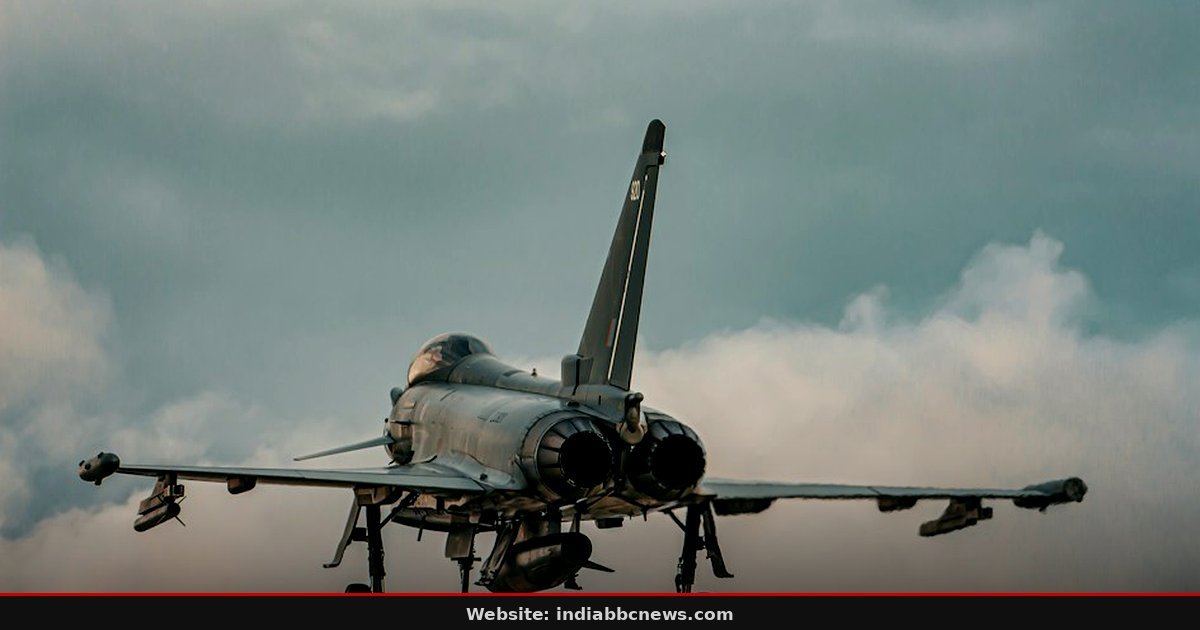
240 nautical miles west of the Outer Hebrides, the sea isn’t just bad; it’s trying to kill you. RAF Lossiemouth scrambled on Saturday night, October 24, to respond to a distress alert from the Myra, a sanctioned Russian-linked oil tanker taking on 8.8-metre waves in the North Atlantic. It’s a scene that feels ripped from a thriller, except the stakes are very real, very wet, and very far from home.
The Myra didn’t just stumble; it hit a wall of storm force winds while carrying a full load of oil products. According to Vesseltracker, the vessel was facing gusts of up to 70 knots, which is roughly 80mph of pure, violent air. That’s a hurricane-level blow for a ship that’s supposed to be tough. The alert went out via Inmarsat-C, a system designed for emergencies, and it triggered a chain reaction involving Aberdeen Coastguard and the RAF. Nobody in the room at Lossiemouth looks like they’re enjoying this. The weather is bad enough; the politics make it worse.
A Ship Caught in the Crosshairs
The Myra isn’t a random boat lost at sea. It’s a specific target of UK sanctions, a designation that cites “reasonable grounds to suspect” it has been transporting Russian-origin oil or oil products to third countries. It had sailed from Ust-Luga, a port on the Baltic Sea, with a destination of Port Said in Egypt. That route is long, dangerous, and currently under intense scrutiny. When a sanctioned vessel calls for help in UK waters, the response is inevitable, but the optics are messy. We’re helping a ship that our own government has effectively blacklisted. That’s a harder sell than it sounds. The legal and diplomatic wires are twisting around a ship with its engine room likely on fire or flooding. Is it a life-saving mission or a political trap? The answer depends on who you ask, and right now, the sea doesn’t care what you think.
Robert Macleod, who runs Ocean Risk Management in Glasgow, has been monitoring the vessel using specialist satellite-tracking technology. He confirmed to the Press and Journal that the data looked grim. “The information available to him suggested it was experiencing difficulties,” he said, a phrasing that feels almost too gentle for a ship buffeted by storm surges. Meanwhile, Vesseltracker reported that nearby vessels capable of providing assistance were asked to contact the UK Coastguard. It’s a classic maritime protocol, but applied to a ship that most of the world is supposed to be avoiding. The crew, whose names and nationalities haven’t been confirmed, are stuck in a limbo that is as dangerous as the weather. They’re fighting the elements and the narrative at the same time.
The Storm and the Scrutiny
Storm Boelo is battering the UK with 80mph winds and rain, causing travel chaos across the country. And just when you think the weather is the main event, a sanctioned tanker goes down in the middle of it. The coincidence is either remarkable or infuriating. The Myra was continuing to travel at around nine knots despite the conditions, a slow crawl that suggests the engine might be struggling or the crew is trying to maintain stability. The distance—270 to 290 nautical miles from Northern Ireland—means rescue is not immediate. It’s a matter of hours, if not days, depending on the sea state. The RAF plane circling the spot, as reported, is a symbol of that tension: we’re watching, we’re ready, but we’re also asking a lot from a crew who may have already made their choice.
Why it matters? Because this isn’t just about one ship. It’s about the rules we’ve set for ourselves and the enemies we’ve made. The UK government’s sanctions are designed to choke off Russia’s oil revenue, but they can’t account for the human element. What do you do when a sanctioned ship calls for help? Do you let it sink? Do you save it and then arrest the crew? The law is clear on saving lives, but the political fallout is a minefield. The Mirror has contacted both the UK and Irish coastguards for comment, but the silence is deafening. In these moments, silence is a weapon. It lets the story breathe, lets the speculation grow, and lets the public wonder what’s really going on out there in the dark.
What Comes Next for the Myra?
The next 24 hours will decide the outcome. Will the Myra be towed to a safe harbor? Will the crew be arrested on arrival? Or will the storm finally win? The UK Coastguard has not confirmed the condition of the vessel or the crew, and the RAF has released no statement. The only thing that’s certain is that the Myra is still out there, fighting the waves and the bureaucracy. The deadline for the next update is unknown, but the pressure is building. Every hour that passes makes the situation more complex. If the ship holds, it becomes a case study in international law and maritime ethics. If it sinks, it becomes a tragedy that no one wants to clean up. The rain doesn’t stop. The wind doesn’t die down. And the Myra is still drifting, a ghost ship in the storm, waiting for a verdict that isn’t just about survival, but about who gets to decide what happens next.
Frequently Asked Questions
Is the Myra actually sanctioned?
Yes. The UK government has designated the Myra under sanctions for suspected involvement in transporting Russian-origin oil or oil products from Russia to a third country. This means it is subject to legal restrictions within UK jurisdiction.
What is the current condition of the crew?
The condition of the crew has not been independently confirmed. The UK and Irish coastguards have not released details on their status, and the vessel is still in the middle of severe weather conditions in the North Atlantic.
Source: Daily Mirror UK
This article was compiled by the IndiaBBCNews editorial system from verified international news sources. Facts have been independently reviewed. Original reporting: Daily Mirror UK.

