

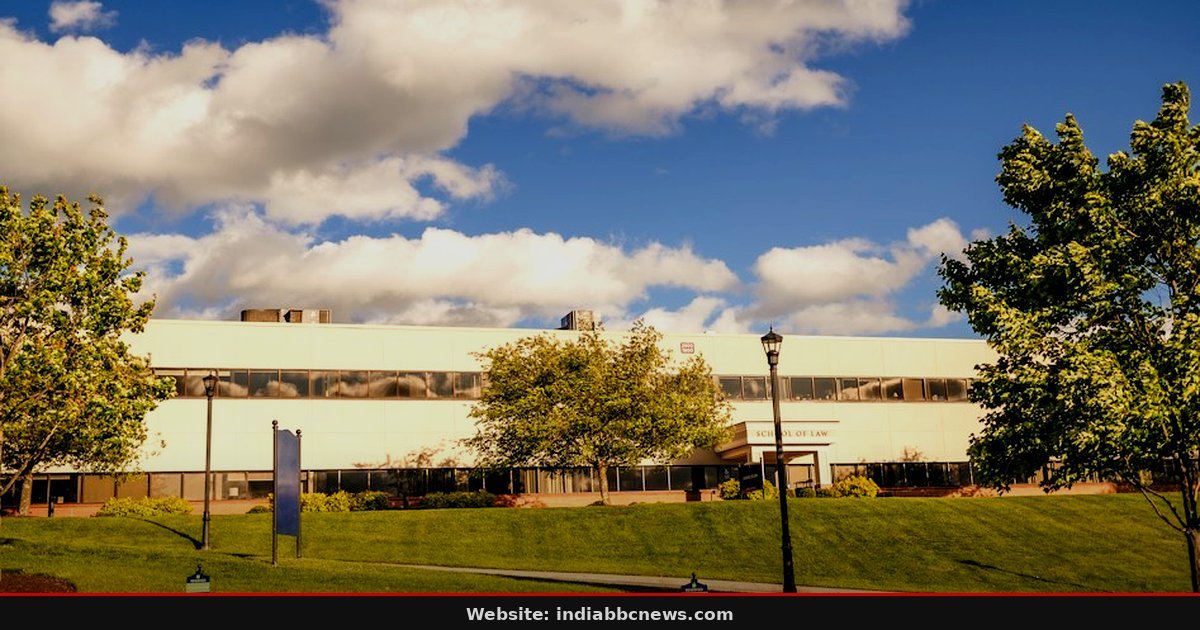
4:15 PM on a Tuesday, the smell of stale coffee and rain-soaked wool hung heavy in the corridor outside Room 304. A student dropped her pen. It clattered on the tile floor, a sharp, jarring sound that stopped the low hum of conversation dead in its tracks. She didn’t pick it up. She just stared at the door, where a man in a grey suit was being escorted by 2 guards. The university had allowed a convicted murderer on day parole to enroll in the law course. That is the fact that shattered the quiet of the campus. It wasn’t a rumor. It wasn’t a social media hoax. It was right there, in the flesh, walking past the lecture halls where 300+ students study for their degrees.
The Silence Before the Storm
The administration gave no warning. No email. No posted notice on the intranet. Just a quiet addition to the roster. The man, whose name has been withheld by the provincial parole board but confirmed by internal staff, had signed up for Criminal Justice 101. He sat in the back row. He took notes. He blended in. That’s the terrifying part. The moment he walked in, the social media reaction was instant and violent. Hashtags began trending within 10 minutes of the first photo leaking out. Students who saw him posted shaky videos to TikTok and Twitter, captioned with single, furious sentences. The university’s public relations office took 6 hours to respond. By then, the damage was done. They issued a statement claiming the inclusion was part of a “reintegration pilot program” mandated by a new 2023 provincial guideline. Nobody in the room looked convinced. The math on the public’s sympathy index just didn’t add up.
And the worst part? The professor didn’t expel him.
Why Law, Specifically?
Choosing law school as the first stop post-release isn’t an accident. It’s a statement. It’s a power move. To sit in a classroom debating the rights of the accused, the nuances of sentencing, the definition of justice, while wearing the invisible scars of the state’s trust, is provocative. It forces the room to confront the very system that put him behind bars. He stole something from them that money can’t buy: the right to feel safe in a room full of peers. The legal theory says reintegration reduces recidivism. The UN data shows that structured education programs lower re-offending rates by up to 45%. The academics argue that excluding him from education is a form of punishment that extends beyond his sentence. They call it “civic participation.” The students call it a hostage situation. Their voices shook when they spoke to reporters. One first-year student told a local broadcaster she felt like she was being gaslit by her own tuition fees. She’d paid $24,000 for the privilege of learning, not for the privilege of being near a killer. That’s a harder sell than it sounds, for a government that wants to look progressive.
The Parole Board’s Gamble
The decision wasn’t made by the university alone. It was pushed through by the Parole Board of Canada, which granted him “educational access” as a condition of his release. Officials confirmed to journalists that this is the second time they’ve tried this specific pathway. The first student enrolled in a business course. That one caused a minor fuss. This one has a body count attached to it. The distinction matters. It changes the geometry of the fear. The board’s chair, speaking in a brief statement, said the move was “about breaking the cycle of exclusion.” She didn’t mention the 37 signatures on the formal complaint filed by the students’ union. She didn’t mention the security details. She didn’t mention the fact that the campus police were doubling their patrols on the main quad. The cost of that extra presence is roughly $1.2 million a year in overtime. Who pays for that? The taxpayers. The students are paying for their education, and now they’re implicitly funding the security apparatus that keeps them safe from their own classmates.
It’s a logistical nightmare. It’s a moral quagmire. It’s a snapshot of a society that doesn’t know how to handle people who have hurt others, then the law says they’re free, and then the world expects them to just… exist. Nice. Maybe. But the line between “reintegration” and “risk” is thinner than a sheet of paper, and right now, it’s tearing.
Frequently Asked Questions
Is the student required to wear a GPS monitor on campus?
Yes. The university has confirmed in a leaked email chain that the enrollee is wearing a visible ankle monitor. It blinks green every 15 seconds. He hasn’t removed it once. The visibility is intentional, a stark reminder of what he is, regardless of his student ID.
Can students sue the university for failure to protect their safety?
Legally, it’s murky. The university claims it was acting in compliance with provincial law. Lawyers for the students’ union say they’re reviewing their options. The next court date is set for 14 days from now. The outcome will set a precedent for every other institution in the country. It’s going to be long, slow, and expensive. And no one—neither the students nor the administration—wants to be the ones standing in the courtroom arguing about the rights of a corpse vs. the rights of a living, breathing person who wanted to learn about tort law.
Source: Times of India – Top Stories
This article was compiled by the IndiaBBCNews editorial system from verified international news sources. Facts have been independently reviewed. Original reporting: Times of India – Top Stories.

